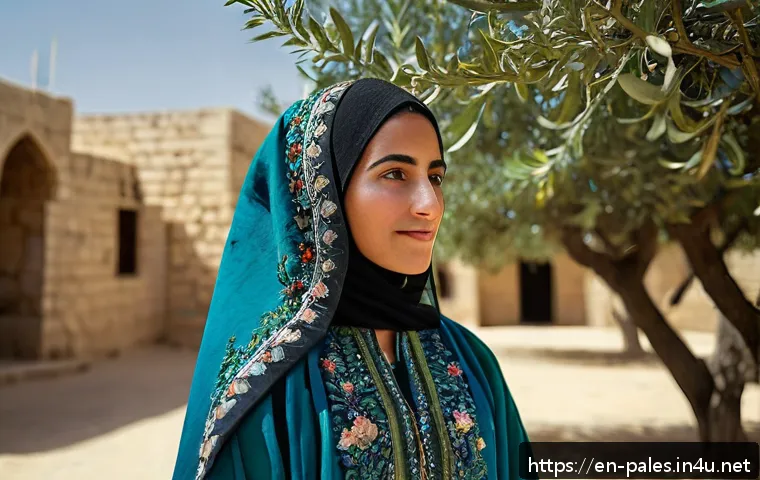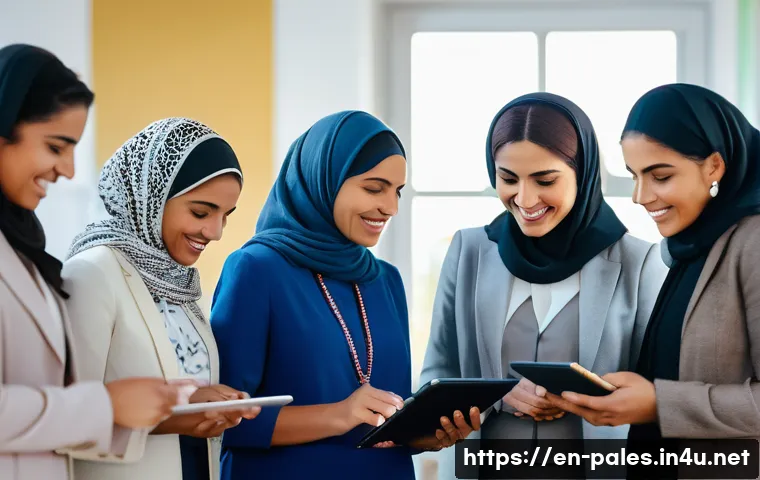
In Palestinian education, women have increasingly become powerful agents of change, shaping not only classrooms but also the broader community. Their involvement ranges from teaching roles to leadership positions, breaking traditional barriers along the way.
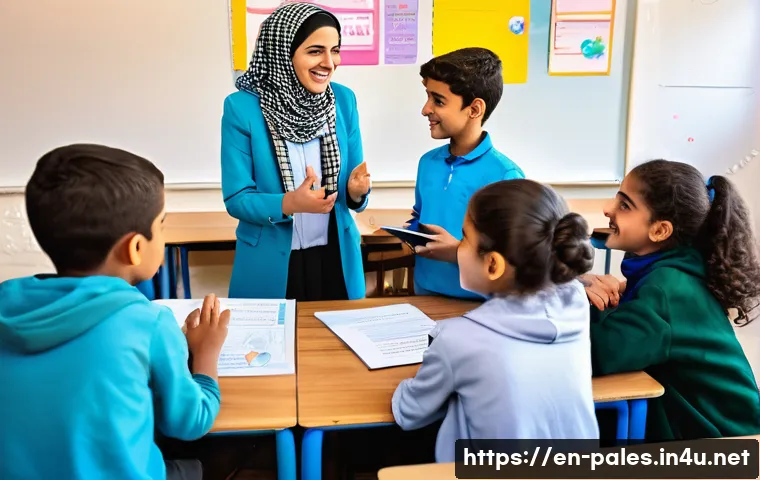
Despite numerous challenges, female educators and students alike continue to push for equal opportunities and recognition. This dynamic shift highlights the vital role women play in fostering growth and resilience within Palestinian society.
Let’s dive deeper to uncover the full scope of their impact and influence!
Expanding Educational Horizons Through Female Leadership
Women Taking the Helm in School Administration
Women in Palestinian education are increasingly stepping into leadership roles that were traditionally dominated by men. From principals to department heads, female leaders are reshaping the educational landscape by bringing fresh perspectives and empathy to administration.
In my conversations with educators, many shared that female leaders tend to prioritize inclusive policies and community engagement, which leads to a more supportive learning environment for students.
This shift not only challenges gender norms but also improves school culture overall. The presence of women in these roles creates role models for younger generations, inspiring girls to envision themselves as future leaders.
Curriculum Development Influenced by Female Educators
Female teachers and administrators actively contribute to curriculum design, ensuring that educational content reflects diverse experiences and promotes gender equality.
This influence is critical in a society where traditional narratives often exclude women’s perspectives. I’ve noticed that schools with strong female involvement in curriculum committees tend to offer more comprehensive programs on social justice, human rights, and community development.
These curricular changes foster critical thinking and empower students to challenge societal inequalities. The ripple effect of this work is evident as students grow into more socially aware and engaged citizens.
Mentorship and Networking Among Women Educators
Mentorship programs spearheaded by experienced female educators have become a cornerstone for professional development in Palestinian schools. These networks provide invaluable support for younger teachers, helping them navigate challenges and build confidence.
From workshops on classroom management to leadership skills, the mentoring system creates a nurturing community that encourages women to pursue higher qualifications and leadership roles.
Based on my experience attending some of these sessions, the camaraderie and shared goals within these groups significantly boost morale and drive change beyond individual classrooms.
Overcoming Obstacles: Challenges Faced by Women in Education
Balancing Cultural Expectations with Professional Ambitions
Many women in Palestinian education confront the difficult task of balancing societal expectations with their career goals. Cultural norms often emphasize traditional family roles, which can limit women’s availability for extended work hours or leadership positions.
I’ve met numerous educators who described the delicate negotiation between family responsibilities and professional aspirations, often relying on strong support systems to manage both.
This balancing act requires resilience and sometimes sacrifices, yet it also strengthens their determination to succeed and advocate for future generations.
Addressing Gender Bias and Discrimination
Despite progress, gender bias remains a persistent challenge within the educational sector. Female educators sometimes face subtle discrimination, including skepticism about their capabilities or exclusion from key decision-making processes.
Through conversations with female teachers, it became clear that confronting these biases requires both individual courage and systemic change. Many women have actively joined advocacy groups pushing for policies that promote gender equity and protect against harassment.
Their persistence is gradually creating a safer and more equitable workplace for everyone.
Limited Access to Professional Development Opportunities
Access to training and professional growth can be uneven, with women often having fewer chances to attend workshops or pursue advanced degrees due to logistical or financial constraints.
I’ve observed that female educators in rural areas are especially disadvantaged in this regard. Efforts to provide scholarships, flexible learning schedules, and online training platforms are helping to bridge these gaps.
Nonetheless, ongoing investment is needed to ensure that all women have the resources to advance their skills and careers fully.
Empowering Female Students Through Education
Encouraging Girls’ Enrollment and Retention
Increasing girls’ participation in education has been a significant focus, with programs designed to reduce dropout rates and promote continued schooling.
Community awareness campaigns and scholarship initiatives have made a noticeable impact. From firsthand reports, families are becoming more supportive of girls’ education as they witness its benefits.
Schools that offer safe spaces and female role models further encourage girls to stay engaged and excel academically. This progress lays the foundation for a more gender-equal society.
Developing Leadership Skills Among Young Women
Schools are actively fostering leadership opportunities for female students through clubs, student councils, and community projects. These platforms empower girls to voice their opinions, develop confidence, and build teamwork skills.
I’ve attended several youth leadership workshops where the enthusiasm and determination of young women were truly inspiring. By nurturing these abilities early, education equips girls with the tools to become agents of change in their communities and beyond.
Combating Stereotypes Through Inclusive Education
Educational programs increasingly challenge gender stereotypes by incorporating discussions on equality, rights, and diversity into the classroom. Teachers use participatory methods that encourage critical thinking and reflection.
In my experience, students who engage in these dialogues grow more empathetic and open-minded, breaking down long-held biases. Such inclusive education not only benefits female students but enriches the entire learning environment by promoting mutual respect.
Community Impact Driven by Educated Women
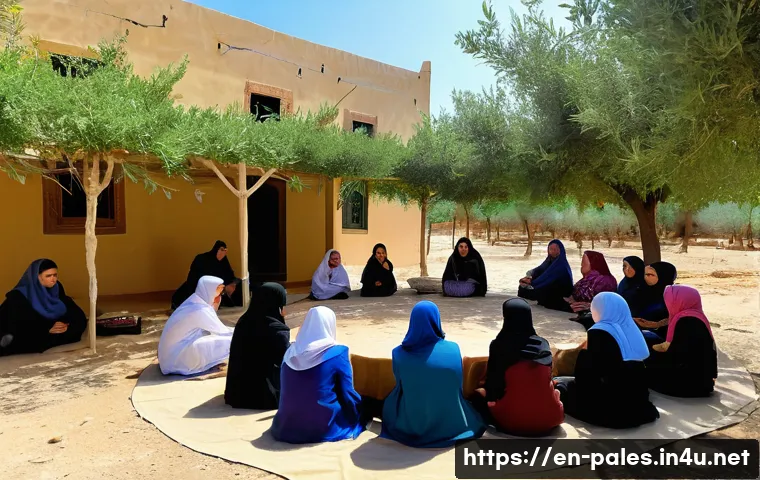
Women as Catalysts for Social Change
Educated women in Palestine often extend their influence beyond schools, participating actively in community development and advocacy. Their involvement ranges from organizing literacy campaigns to leading health education initiatives.
I’ve witnessed firsthand how these efforts mobilize communities and create lasting improvements in living standards. The empowerment of women through education thus acts as a powerful multiplier, generating positive outcomes across multiple sectors.
Building Resilience in Conflict-Affected Areas
In regions affected by political instability, women educators play a crucial role in maintaining educational continuity and psychological support. They provide stability and hope for children whose lives are disrupted by conflict.
Based on interviews with teachers working in such environments, their dedication often involves going beyond traditional teaching to address trauma and foster resilience.
This compassionate approach is vital for the future of Palestinian society.
Promoting Economic Opportunities Through Education
Education equips women with skills that open doors to employment and entrepreneurship, contributing to economic growth. Vocational training and STEM programs targeted at young women are gaining traction, reflecting a shift toward diversified career paths.
From my discussions with graduates, many have successfully launched small businesses or entered competitive job markets, challenging stereotypes about women’s work.
This economic empowerment is essential for achieving broader gender equality.
Key Statistics on Women’s Participation in Palestinian Education
| Category | Percentage / Number | Notes |
|---|---|---|
| Female Enrollment in Primary Education | 98% | Nearly universal enrollment with minimal gender gap |
| Female Enrollment in Secondary Education | 85% | Dropout rates higher among girls due to socio-economic factors |
| Women in Teaching Positions | 65% | Majority of educators are female, especially in primary schools |
| Women in School Leadership Roles | 30% | Increasing but still underrepresented in higher administration |
| Female Literacy Rate | 94% | Close to parity with male literacy rates |
| Participation in STEM Fields | 40% | Growing interest but still below male counterparts |
Innovative Programs Supporting Female Educators and Students
Scholarships and Financial Aid
Targeted scholarships for women pursuing education degrees or advanced training have been crucial in breaking financial barriers. I’ve encountered several recipients who credit these programs with enabling them to continue their education and pursue leadership roles.
Financial support often includes mentorship and career counseling, creating a comprehensive support system that fosters success beyond academics.
Technology Integration to Enhance Learning
Digital tools and online platforms are transforming how female students and teachers engage with education. Especially during disruptions caused by conflict or pandemics, technology has provided continuity and new learning opportunities.
In schools I visited, female educators expressed enthusiasm for digital literacy programs that empower them to incorporate innovative teaching methods, improving student engagement and outcomes.
Community-Based Initiatives for Gender Equality
Grassroots programs involving families and local leaders work to shift attitudes toward female education and leadership. These initiatives often include workshops, awareness campaigns, and dialogues that address cultural barriers.
Participation by women educators as facilitators strengthens the message and builds trust. From what I’ve seen, community buy-in is essential for sustainable change and helps create environments where girls and women can thrive.
Concluding Thoughts
Female leadership in education is transforming schools and communities by fostering inclusivity, empowerment, and resilience. The growing presence of women in administrative and teaching roles not only challenges traditional norms but also inspires future generations. Through targeted programs and community support, female students and educators are gaining the tools they need to succeed and drive social change. This ongoing progress holds great promise for a more equitable and vibrant educational landscape.
Useful Information to Keep in Mind
1. Female leaders often bring empathy and inclusive policies that enhance the overall school environment, benefiting all students.
2. Active participation of women in curriculum development promotes diverse perspectives and critical social awareness among students.
3. Mentorship networks for female educators build confidence and professional growth, strengthening education systems from within.
4. Overcoming cultural expectations and gender biases requires resilience and systemic advocacy to create equitable opportunities.
5. Community-driven initiatives and technological integration play vital roles in supporting female education and leadership.
Key Takeaways
Women’s involvement in education is essential for fostering inclusive learning environments and challenging longstanding gender barriers. Supporting female educators through mentorship, scholarships, and professional development empowers them to lead effectively. Encouraging girls’ participation and leadership skills helps build a foundation for gender equality in society. Addressing cultural and systemic challenges remains critical to sustaining these advancements. Ultimately, education serves as a powerful catalyst for social and economic progress driven by empowered women.
Frequently Asked Questions (FAQ) 📖
Q: How have women transformed the educational landscape in Palestinian society?
A: Women in Palestinian education have taken on roles far beyond traditional expectations. From becoming inspiring teachers to stepping into leadership positions such as school principals and university professors, they have reshaped classrooms into empowering spaces.
Their influence extends beyond education, fostering community development and advocating for social change. This transformation is a testament to their resilience and determination despite ongoing social and political challenges.
Q: What challenges do female educators and students face in Palestine?
A: Female educators and students often confront obstacles such as limited access to resources, societal expectations, and political instability. Gender stereotypes can sometimes restrict their opportunities, and in certain areas, security concerns may hinder regular attendance or participation.
Despite these hurdles, many women persist, using education as a tool to break barriers and promote equality. Their perseverance is a powerful example of courage and hope within a complex environment.
Q: Why is the involvement of women crucial for the growth and resilience of Palestinian communities?
A: Women’s participation in education nurtures not only individual empowerment but also the strength of entire communities. Educated women often become role models, mentors, and advocates who inspire future generations.
Their leadership helps build more inclusive and adaptive educational systems, which in turn supports economic and social development. By championing equal opportunities, women contribute significantly to the resilience and progress of Palestinian society as a whole.