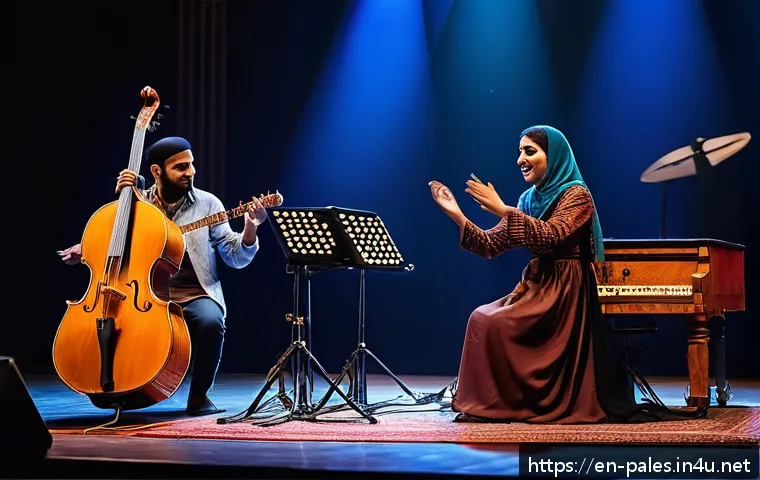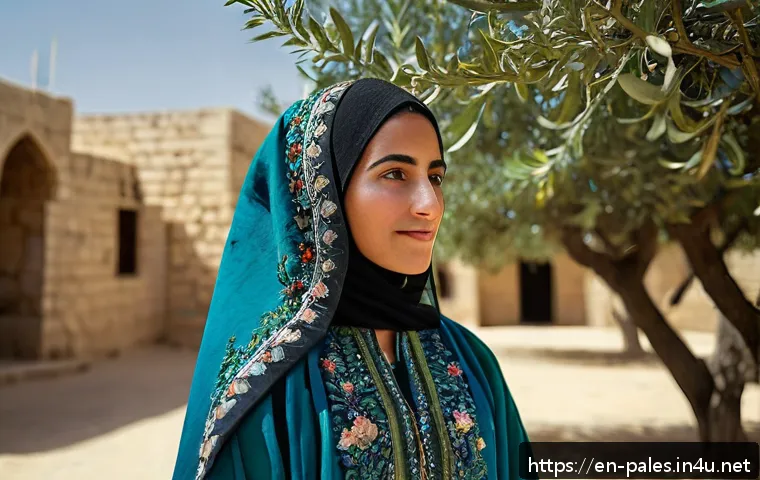
In a world that’s constantly evolving, traditional attire offers a beautiful window into cultural identity and history. Palestinian traditional dress, with its intricate embroidery and vibrant colors, stands out as a timeless symbol of heritage and resilience.
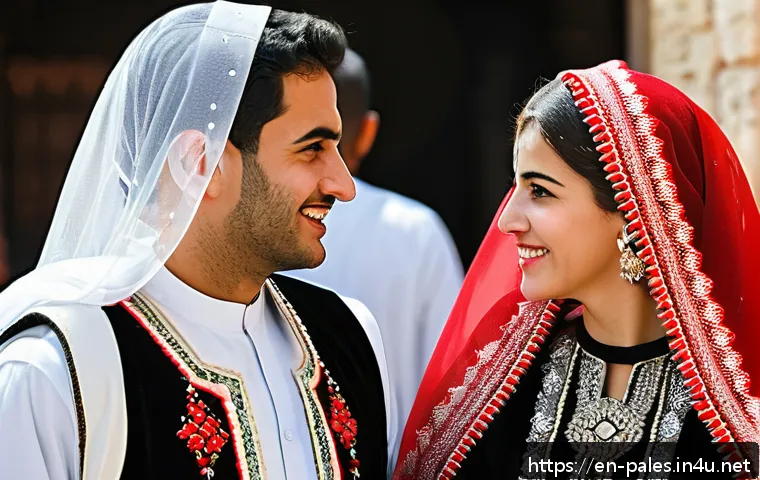
Recently, there’s been a growing appreciation for ethnic fashion worldwide, making it the perfect moment to explore these garments beyond their aesthetic appeal.
Whether you’re a fashion enthusiast or a history buff, understanding the stories woven into each stitch reveals much about Palestinian life and artistry.
Join me as we delve into this captivating blend of culture and style that continues to inspire generations.
The Artistry Behind Every Thread
Embroidery as a Language
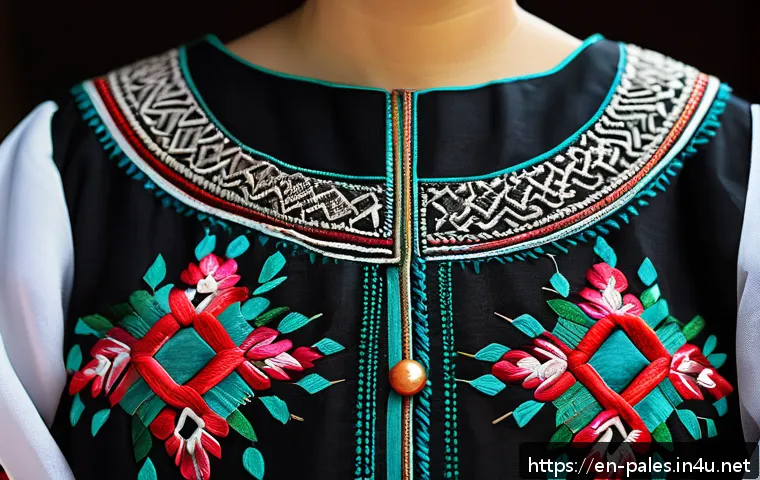
Palestinian traditional clothing is not just fabric stitched together; it’s a rich tapestry of stories, emotions, and symbols. Each embroidery pattern acts like a secret language, passed down through generations.
What fascinates me most is how these patterns vary by region—each village or town has its own signature motifs, colors, and stitches. For example, the city of Ramallah is known for geometric patterns, while Hebron favors more floral designs.
When you look closely, the embroidery isn’t random but meticulously crafted to represent nature, social status, and even personal stories. Wearing one of these garments is like wrapping yourself in history and identity.
The Craftsmanship and Patience Required
Creating a traditional Palestinian dress, or thobe, is a labor-intensive process that can take months or even years. The artisans who create these pieces often start by hand-drawing the design, then carefully selecting threads in vibrant reds, blues, and greens.
I’ve had the chance to meet a few embroiderers who described their work as meditative, almost like storytelling with needles. The patience involved is astounding—each tiny stitch contributes to a larger narrative, and any mistake can mean starting over.
This dedication is what makes each garment unique and irreplaceable.
Symbolism in Color Choices
Colors in Palestinian traditional attire are far from decorative afterthoughts; they’re packed with meaning. Red often symbolizes love, passion, and sacrifice, while black can represent the hardships faced by the community.
Green is linked to fertility and nature, reflecting the agrarian roots of many Palestinian families. This use of color adds an emotional depth to the clothing, making it resonate not only visually but culturally.
When I first learned about this, it completely changed how I viewed these dresses—from mere fashion statements to powerful cultural symbols.
The Role of Clothing in Social and Cultural Events
Weddings and Festivities
In Palestinian culture, traditional attire shines most vividly during weddings and festivals. Brides wear heavily embroidered dresses that are often family heirlooms, symbolizing continuity and connection to their ancestors.
The colors and designs chosen for wedding dresses are usually more elaborate, signaling joy and prosperity. I remember attending a wedding where the bride’s dress told a story of her family’s history through its intricate patterns—guests would often point out specific motifs, each carrying a unique meaning.
It’s not just about looking beautiful; it’s about honoring heritage.
Everyday Life and Practicality
While traditional Palestinian clothing is famous for its decorative aspects, many pieces were originally designed with everyday practicality in mind. Loose, flowing garments allowed for ease of movement during agricultural work or household chores.
The fabrics chosen were often breathable and suitable for the Mediterranean climate. This blend of beauty and utility is something I find incredibly inspiring—it shows how culture adapts to environment without losing its identity.
Passing Down Traditions
The transmission of traditional dress styles from one generation to the next is a vital part of preserving Palestinian culture. Mothers and grandmothers often teach young women how to embroider, instilling a sense of pride and continuity.
I’ve heard stories of families carefully storing dresses to keep them safe for future wearers. This passing down of knowledge and garments helps maintain a tangible link to the past, even as the world around them changes rapidly.
Regional Styles and Their Unique Characteristics
Distinctive Patterns of the Coastal Regions
Coastal areas like Gaza feature dresses with bold, geometric embroidery in darker shades, often accented with metallic threads. These designs are known for their sharp lines and repetitive motifs, reflecting influences from trade and cultural exchanges along the Mediterranean.
I’ve noticed that these garments tend to have a slightly more modern feel while retaining their traditional roots, which makes them particularly appealing to younger generations looking to connect with their heritage.
Mountain and Village Influences
In contrast, mountainous regions like the West Bank villages prefer floral and nature-inspired patterns. These dresses often showcase vibrant reds and greens, echoing the lush surroundings.
The embroidery here feels more organic and flowing, almost like a celebration of the land itself. Visiting these villages, I saw how deeply embedded these styles are in everyday life, worn proudly during communal gatherings and religious holidays.
Urban Adaptations and Contemporary Trends
Urban centers such as Jerusalem and Ramallah have witnessed a fusion of traditional and modern styles. Younger Palestinians are reimagining classic embroidery with contemporary cuts and fabrics, making the garments more versatile for daily wear.
This trend reflects a desire to honor cultural roots while embracing global fashion influences. From what I’ve seen, this blending breathes new life into the tradition, ensuring it remains relevant and cherished.
The Economic and Social Impact of Traditional Dress
Empowering Artisans and Communities
The revival of interest in Palestinian traditional clothing has had a positive ripple effect on local economies. Many artisans, especially women, earn their livelihood through embroidery and tailoring.
I’ve spoken with a few who shared how this craft not only provides financial independence but also fosters community pride. Supporting these artisans means preserving centuries-old skills while empowering individuals to sustain their families.
Global Demand and Ethical Fashion
As ethnic fashion gains global popularity, Palestinian traditional attire has found new audiences beyond the Middle East. This growing demand opens doors for ethical and sustainable fashion initiatives that prioritize handmade, authentic pieces.
However, it also raises concerns about cultural appropriation and mass production. From my perspective, the key is to promote respectful appreciation—buying directly from artisans or cooperatives ensures the cultural significance remains intact and benefits the communities involved.
Challenges and Preservation Efforts
Despite its beauty and cultural importance, Palestinian traditional dress faces threats from modernization, displacement, and economic hardship. Efforts to document and preserve these garments through museums, exhibitions, and workshops are crucial.
I’ve attended a few exhibitions where the stories behind each piece were highlighted, reminding visitors that these aren’t just clothes but symbols of resilience and identity.
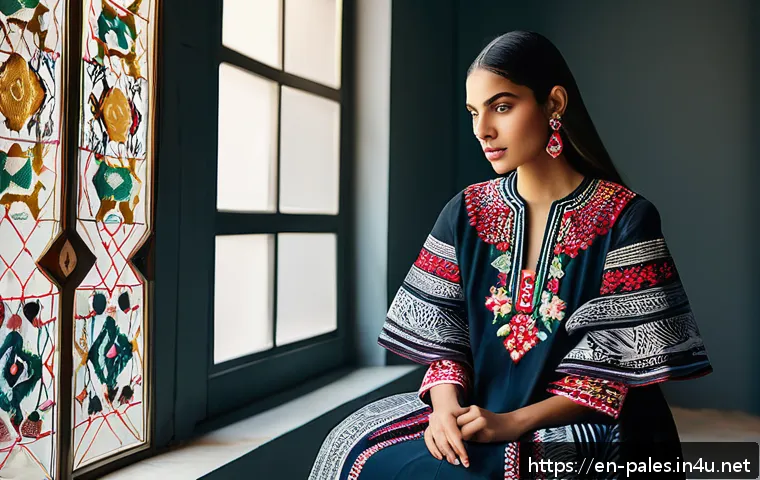
Supporting such initiatives feels like a meaningful way to contribute to cultural preservation.
Understanding the Iconic Elements of Palestinian Attire
The Signature Thobe
The thobe, a long embroidered dress, stands as the most recognizable piece of Palestinian traditional clothing. What’s remarkable about the thobe is how it combines elegance with storytelling.
The cut, sleeve length, and neckline can all indicate the wearer’s region, marital status, or even social standing. Experiencing firsthand how women choose their thobes based on occasion and personal history was eye-opening—it’s an intimate expression of identity.
The Role of Accessories
Accessories such as the tall headdress (shatweh) and colorful belts add layers of meaning to the attire. These items are often heavily decorated and hold cultural significance beyond mere adornment.
For example, certain headdresses are reserved for married women or special ceremonies. I’ve noticed how these accessories complement the embroidery, creating a harmonious ensemble that commands attention and respect.
The Fabric and Its Symbolism
The choice of fabric also carries symbolic weight. Traditionally, cotton and silk were favored for their comfort and status implications. Silk, in particular, was a luxury material, signaling wealth and prestige.
Touching these fabrics and feeling their texture helped me appreciate the sensory side of traditional dress—how the weight and flow contribute to the overall experience of wearing these garments.
Comparative Overview of Regional Styles
| Region | Dominant Colors | Embroidery Motifs | Symbolic Meaning | Typical Fabric |
|---|---|---|---|---|
| Ramallah | Red, Black | Geometric patterns | Protection, strength | Cotton, Linen |
| Hebron | Blue, Green | Floral designs | Fertility, nature | Silk, Cotton |
| Gaza | Dark shades, Metallic accents | Sharp geometric shapes | Trade influence, resilience | Wool, Cotton |
| West Bank Villages | Red, Green | Organic floral patterns | Land, community | Cotton, Wool |
| Jerusalem | Mixed vibrant colors | Fusion of traditional & modern | Cultural blend | Various modern fabrics |
Modern Interpretations and Global Influence
Fashion Designers Embracing Tradition
In recent years, a number of Palestinian and international designers have drawn inspiration from traditional embroidery to create contemporary collections.
These designers often blend classic motifs with modern silhouettes, appealing to a global audience eager to celebrate cultural diversity. I’ve followed a few shows where models wore pieces that felt both timeless and fresh, demonstrating how tradition can evolve without losing its essence.
How Social Media Amplifies Awareness
Platforms like Instagram and TikTok have played a huge role in popularizing Palestinian traditional attire among younger generations worldwide. Influencers and artists share stories behind the garments, encouraging followers to appreciate their cultural significance rather than just their looks.
From my experience, this digital storytelling creates a sense of global community and pride, connecting people across continents through shared heritage.
Challenges of Cultural Preservation in a Modern World
While modern adaptations breathe new life into Palestinian dress, they also raise questions about authenticity and preservation. Some purists worry that commercialization might dilute the cultural meanings embedded in these garments.
Balancing innovation with respect for tradition is a delicate act. From what I’ve seen, the most successful approaches involve collaboration with traditional artisans to ensure that the soul of the craft remains alive, even as styles change.
The Emotional Connection and Personal Stories
Wearing History with Pride
For many Palestinians, traditional clothing is more than just fabric; it’s a way to carry their ancestors’ stories forward. I’ve met women who described their dresses as “living memories,” worn during important life moments like weddings, graduations, or national celebrations.
This emotional connection gives the garments a sacred quality, making them treasured heirlooms that transcend time.
Personal Transformations Through Fashion
I’ve also witnessed how embracing traditional attire can be transformative on a personal level. For some, it’s a reclaiming of identity amid displacement or diaspora.
One friend shared how wearing a thobe at a cultural event made her feel deeply rooted despite living far from Palestine. These clothes become a bridge between past and present, grounding individuals in their heritage while allowing them to express themselves confidently.
The Role of Storytelling in Preserving Culture
Storytelling is inseparable from Palestinian traditional dress. Each stitch, color, and design tells a chapter of a larger narrative about resilience, love, and community.
When artisans share these stories, whether through workshops, exhibitions, or social media, they keep the culture vibrant and relevant. From my perspective, this storytelling is what makes traditional clothing truly alive—it’s not just about wearing history but living it.
In Conclusion
Palestinian traditional clothing is much more than aesthetic attire; it’s a living expression of culture, history, and identity. Each stitch tells a story, weaving together generations of resilience and pride. Experiencing these garments firsthand reveals the deep emotional and social significance they hold. Embracing this tradition allows us to appreciate the rich heritage behind every thread and pattern.
Helpful Information to Know
1. Traditional embroidery patterns vary significantly by region, each carrying unique meanings and styles.
2. The making of a Palestinian thobe is a meticulous, time-consuming craft that requires great patience and skill.
3. Colors in the garments are symbolic, reflecting emotions, social status, and cultural values rather than just decoration.
4. Modern adaptations of traditional attire blend cultural heritage with contemporary fashion, keeping the tradition alive and relevant.
5. Supporting artisans by purchasing authentic, handmade pieces helps sustain communities and preserve cultural heritage.
Key Takeaways
Palestinian traditional dress embodies a rich cultural legacy through its intricate embroidery, symbolic colors, and meaningful designs. It serves both practical and ceremonial roles, highlighting the wearer’s identity and social connections. While modern influences shape new interpretations, preserving the authenticity and craftsmanship remains essential. Encouraging ethical fashion and supporting local artisans are vital steps in maintaining this vibrant tradition for future generations.
Frequently Asked Questions (FAQ) 📖
Q: uestions about Palestinian Traditional DressQ1: What makes Palestinian traditional dress unique compared to other ethnic garments?
A: Palestinian traditional dress is distinct because of its detailed embroidery called “tatreez,” which varies from region to region, each pattern telling a story about the wearer’s village, social status, or even marital status.
The vibrant colors and hand-stitched designs are not just decorative but serve as a cultural language passed down through generations. Unlike many modern fashion trends, these garments carry deep historical significance and reflect resilience and identity, making them both beautiful and meaningful.
Q: How is Palestinian embroidery incorporated into modern fashion today?
A: I’ve noticed that many contemporary designers and fashion enthusiasts are blending traditional Palestinian embroidery with modern silhouettes, creating pieces that honor heritage while appealing to today’s style.
This fusion can be seen in everything from casual tops to elegant dresses, often worn by people worldwide who want to celebrate cultural diversity. It’s inspiring to see how these ancient techniques have found new life in global fashion scenes, promoting awareness and appreciation beyond their original context.
Q: Can anyone wear Palestinian traditional clothing, and how should it be approached respectfully?
A: Absolutely, anyone can wear Palestinian traditional dress, but it’s important to do so with respect and understanding of its cultural significance. Wearing these garments thoughtfully means appreciating the history and stories behind the embroidery rather than treating them as mere fashion statements.
If you’re interested, learning about the symbolism and supporting authentic artisans or fair-trade shops helps honor the craftsmanship and keeps the tradition alive.
I’ve found that approaching it with curiosity and respect enriches the experience and deepens your connection to the culture.