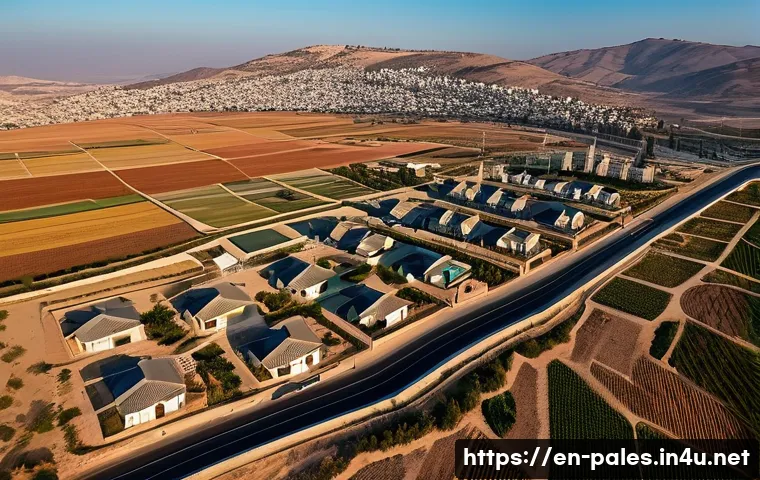
Exploring the deserts of Palestine offers a unique journey into a landscape rich with history, culture, and natural beauty. These arid regions, often overlooked, hold secrets of ancient civilizations and stunning vistas that captivate adventurous travelers.
From vast sandy dunes to rugged rocky terrains, the desert experiences here blend tranquility with thrilling exploration. Whether you’re interested in hiking, photography, or simply soaking in the serene atmosphere, Palestine’s deserts provide an unforgettable escape.
Let’s dive deeper to uncover what makes these desert destinations truly special!
Unveiling the Timeless Landscapes of Palestine’s Arid Zones
Endless Horizons and Shifting Sands
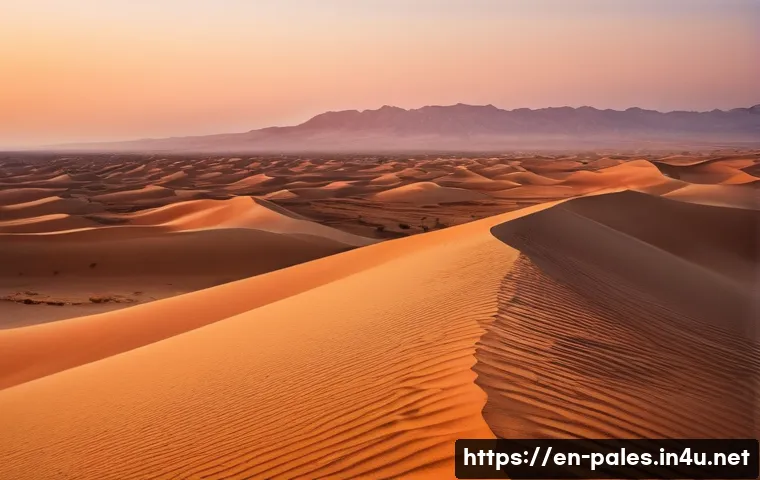
The vast expanses of Palestine’s desert regions stretch endlessly, where the horizon blurs between sky and earth in a mesmerizing dance of colors. Walking through these sandy plains, you feel a profound connection to the natural world, a reminder of the raw beauty untouched by modern life.
The dunes shift with the wind, constantly reshaping the terrain, creating a playground for photographers and nature lovers alike. The sensation of solitude here is unlike anywhere else — a quiet so deep it almost hums, inviting you to slow down and just be present.
Echoes from Ancient Civilizations
Exploring these deserts isn’t just about the scenery; it’s stepping back in time. Archaeological remnants scattered throughout the region tell tales of ancient peoples who thrived in this harsh environment.
Ruins of old trade routes, hidden caves with prehistoric paintings, and the remains of old settlements offer a fascinating glimpse into the ingenuity and resilience of those who called these deserts home.
For history buffs, this is a treasure trove waiting to be uncovered, where every rock and ridge has a story etched into its surface.
Flora and Fauna Adapted to Extremes
Despite the harsh conditions, the desert is alive with specially adapted plants and animals. From resilient desert shrubs that survive with minimal water to elusive creatures like foxes and desert birds, the ecosystem here is a testament to nature’s tenacity.
Spotting these inhabitants requires patience and a keen eye, but the reward is a rare connection with life that has learned to flourish against all odds.
Immersive Adventures Amid Rugged Terrain
Hiking Trails That Test and Reward
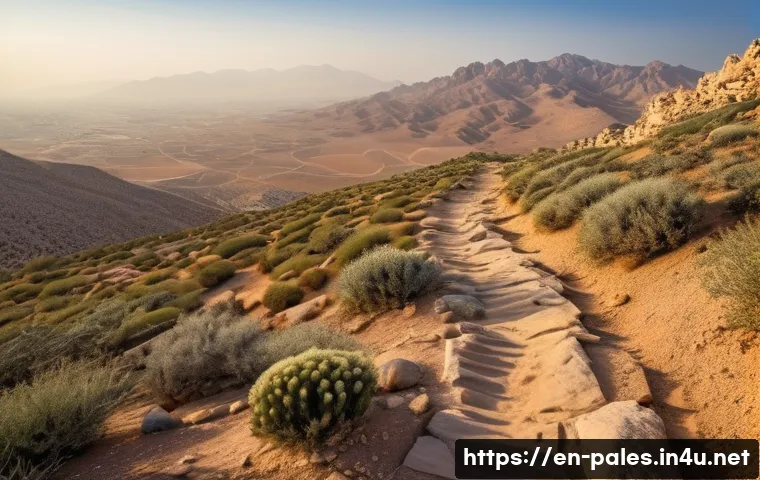
The desert terrain varies dramatically, offering everything from gentle slopes to steep, rocky climbs. Hiking here is a truly immersive experience — the heat on your skin, the crunch of sand beneath your boots, and the vast silence broken only by your footsteps.
Some trails lead to breathtaking overlooks, revealing panoramic views that are perfect for catching the sunrise or sunset. For those who love a physical challenge coupled with stunning natural rewards, these trails are unbeatable.
Desert Camping Under a Star-Studded Sky
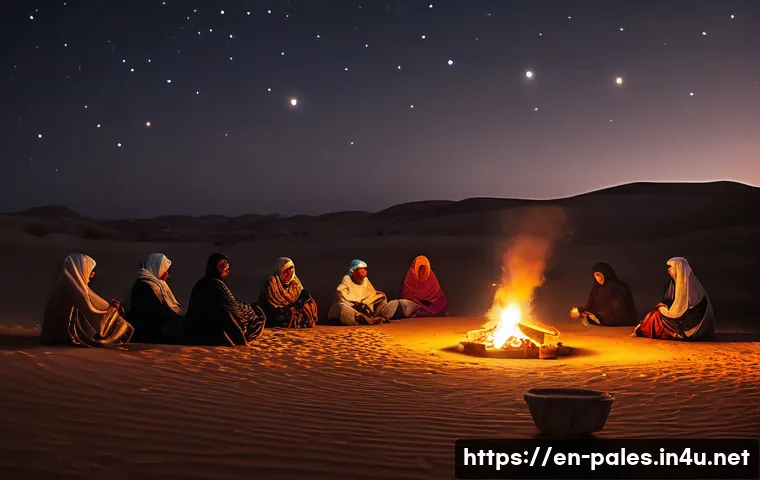
Spending a night camping in the desert is an unforgettable way to experience the vastness and serenity of the landscape. As the sun dips below the horizon, the sky transforms into a glittering canopy of stars, far brighter and more numerous than in any city.
The cool desert air and the crackling campfire create an atmosphere that’s both peaceful and exhilarating. Sharing stories or simply soaking in the silence makes this a deeply memorable adventure.
Photography: Capturing the Desert’s Soul
Photographers find endless inspiration in the desert’s shifting light and textures. Early mornings and late afternoons provide golden hues that bring out the landscape’s dramatic contrasts.
The interplay of shadows and light across dunes and rocky formations creates compelling compositions. Whether you’re a professional or an enthusiast, the desert offers a dynamic and rewarding canvas for your creativity.
Understanding the Climate and Best Visiting Times
Seasonal Variations and What to Expect
Palestine’s deserts experience extreme temperature shifts between day and night, and across seasons. Summers can be intensely hot, with temperatures soaring well above comfortable levels for extended outdoor activities.
Winters, on the other hand, bring cooler days and quite chilly nights. The best time to visit usually falls in the spring and autumn months when the weather is milder, making exploration more enjoyable and safer.
Preparing for Desert Conditions
Proper preparation is key to a successful desert trip. Hydration is critical, so carrying ample water and knowing where to find additional supplies can’t be overstated.
Lightweight, breathable clothing, sun protection, and sturdy footwear are essentials. For those new to desert environments, going with a local guide is highly recommended to navigate safely and gain deeper insights into the area’s cultural and natural significance.
Comparing Weather Patterns
| Season | Average Day Temperature | Average Night Temperature | Rainfall | Recommended Activities |
|---|---|---|---|---|
| Spring (March – May) | 20°C – 28°C (68°F – 82°F) | 10°C – 15°C (50°F – 59°F) | Low | Hiking, Photography, Camping |
| Summer (June – August) | 30°C – 40°C (86°F – 104°F) | 20°C – 25°C (68°F – 77°F) | Very Low | Early morning hikes, Short visits |
| Autumn (September – November) | 22°C – 30°C (72°F – 86°F) | 12°C – 18°C (54°F – 64°F) | Low | Hiking, Camping, Cultural Tours |
| Winter (December – February) | 12°C – 18°C (54°F – 64°F) | 5°C – 10°C (41°F – 50°F) | Moderate | Short hikes, Sightseeing |
Cultural Connections Beyond the Sand
Local Bedouin Traditions and Hospitality
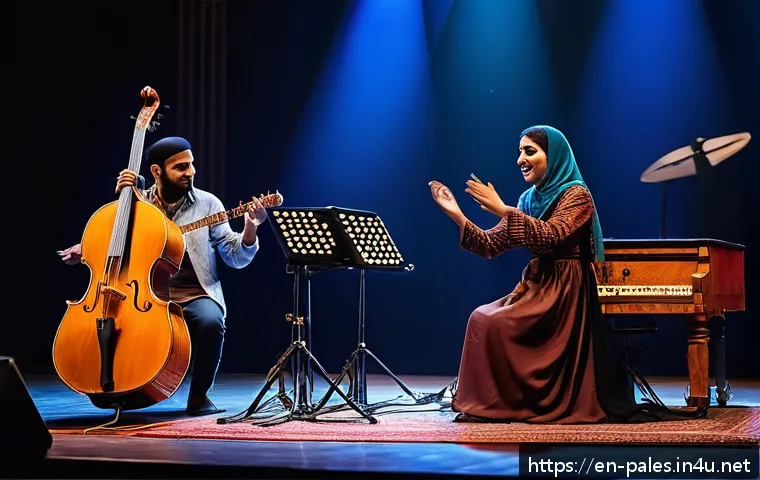
One of the most enriching parts of visiting Palestine’s deserts is encountering the Bedouin communities who have lived here for generations. Their knowledge of the land, storytelling, music, and cuisine provide a window into a way of life deeply connected to the desert environment.
Sharing a meal or tea with a Bedouin family often turns into a heartfelt cultural exchange, leaving you with memories that go far beyond the landscape.
Ancient Trade Routes and Caravan Stories
The deserts were once bustling with caravans transporting goods across vast distances. Walking these ancient paths, you can almost hear the echoes of camels and merchants trading spices, textiles, and stories.
Many tours include visits to historic caravanserais and trading posts that have been preserved or restored, allowing visitors to step into the footsteps of traders who shaped the region’s history.
Traditional Crafts and Souvenirs
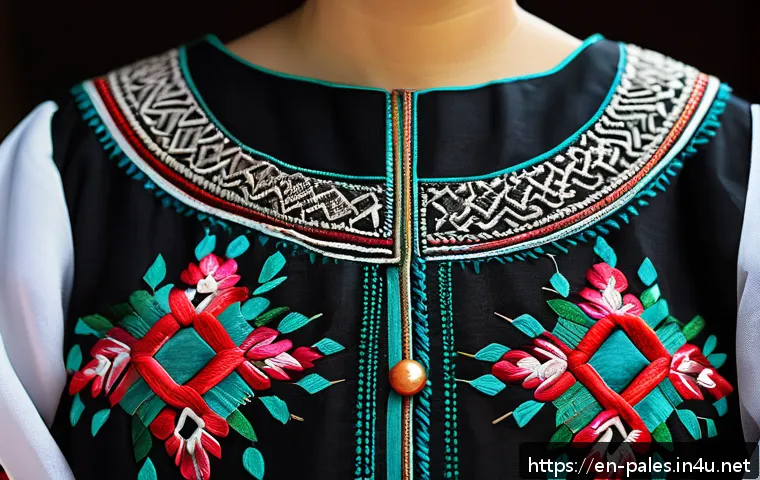
Artisans in desert towns keep alive traditional crafts like weaving, pottery, and jewelry-making, often using materials sourced from the surrounding environment.
Purchasing handcrafted items not only supports local communities but also gives you a tangible connection to the desert’s cultural heritage. These unique souvenirs serve as reminders of your journey and the people you met along the way.
Wildlife Encounters and Conservation Efforts
Spotting Desert Wildlife Responsibly
While the desert might seem barren at first glance, it’s home to a surprising variety of wildlife. From nimble lizards darting over rocks to birds of prey soaring high above, spotting animals requires patience and respect for their habitat.
Guided tours often focus on teaching visitors how to observe wildlife without disturbing the delicate ecosystem, which enhances the overall experience.
Conservation Initiatives in the Region
In recent years, efforts have been made to protect the fragile desert environment and its inhabitants. Conservation programs aim to preserve native species and prevent habitat destruction caused by overdevelopment or unsustainable tourism.
By choosing eco-friendly tours and supporting local conservation groups, travelers can contribute to the long-term health of these stunning landscapes.
The Role of Education and Community Involvement
Many conservation projects in Palestine involve local communities directly, combining traditional knowledge with modern environmental science. Educational programs encourage sustainable tourism and promote awareness about the desert’s ecological importance.
Visitors often find themselves inspired by these initiatives, gaining a deeper appreciation for the desert’s value beyond its beauty.
Practical Tips for an Authentic Desert Experience
Choosing the Right Tour and Guide
Finding a knowledgeable and passionate guide can transform your desert adventure. Guides who are locals often bring personal stories, insights into flora and fauna, and cultural context that enrich every step of your journey.
Whether you prefer a structured tour or a more spontaneous exploration, investing time in selecting the right guide pays off in unforgettable experiences.
Essential Gear and Safety Precautions
Packing smartly is crucial when venturing into desert conditions. Along with water and sun protection, items like a wide-brimmed hat, sunglasses, and a first aid kit are indispensable.
It’s also wise to inform someone of your itinerary and expected return time, especially if hiking or camping in more remote areas. Safety always comes first, and proper planning ensures you can relax and enjoy the adventure fully.
Respecting the Environment and Local Customs
Being a responsible traveler means leaving no trace and honoring local customs. Avoid disturbing wildlife, stick to marked paths, and minimize waste. When interacting with local communities, showing respect for their traditions and asking permission before taking photos fosters positive connections.
These small gestures help preserve the desert’s integrity and enhance your overall travel experience.
In Conclusion
Palestine’s arid zones offer a unique blend of natural beauty, rich history, and vibrant culture that captivates every visitor. Exploring these deserts allows you to connect deeply with the land, its wildlife, and the resilient communities that call it home. Whether you seek adventure, tranquility, or cultural insights, the desert landscape delivers an unforgettable experience that stays with you long after you leave.
Useful Information to Keep in Mind
1. The best times to visit are during spring and autumn when temperatures are milder and more comfortable for outdoor activities.
2. Staying hydrated and wearing appropriate sun protection are essential for safety in the desert environment.
3. Hiring a local guide not only enhances your understanding of the region but also supports the local economy and culture.
4. Respecting the natural habitat and local customs helps preserve the desert’s delicate ecosystem and fosters positive interactions with communities.
5. Bringing a good camera or smartphone can capture the stunning light and textures unique to desert landscapes, making your memories last.
Key Takeaways for Your Desert Journey
Prepare thoroughly by understanding the climate and packing suitable gear to ensure safety and comfort. Engage with local Bedouin culture to enrich your experience beyond the scenery. Practice responsible tourism by minimizing environmental impact and supporting conservation efforts. Choose knowledgeable guides to unlock hidden stories and navigate challenging terrain confidently. Above all, embrace the solitude and timeless beauty of the desert to create meaningful and lasting memories.
Frequently Asked Questions (FAQ) 📖
Q: What is the best time of year to explore the deserts of Palestine?
A: The ideal time to visit Palestine’s deserts is during the spring (March to May) and autumn (September to November) months. During these seasons, the temperatures are milder, making outdoor activities like hiking and photography much more enjoyable.
Summers can be extremely hot, sometimes exceeding 40°C (104°F), which can be exhausting and even dangerous without proper preparation. I personally found spring to be perfect—not too hot, with blooming desert flora adding unexpected bursts of color to the landscape.
Q: Are there guided tours available for exploring the desert areas, or is it better to go independently?
A: Both options are popular, but I recommend opting for guided tours, especially if it’s your first time. Local guides bring a wealth of knowledge about the history, culture, and natural features of the desert, which really enriches the experience.
Plus, they know the safest routes and hidden spots that you might miss on your own. That said, if you’re an experienced desert hiker and well-prepared, exploring independently can offer a sense of freedom and adventure.
Just make sure you carry plenty of water, wear appropriate clothing, and have reliable navigation tools.
Q: What should I pack for a desert trip in Palestine to stay comfortable and safe?
A: Packing smart is key to a successful desert adventure. Lightweight, breathable clothing that covers your skin helps protect against the sun and sand. A wide-brimmed hat and UV-blocking sunglasses are must-haves.
Don’t forget sunscreen with a high SPF—reapplying often is crucial. Sturdy hiking boots or shoes with good grip will keep you comfortable on rocky or sandy terrain.
I always carry at least 3 liters of water per person, plus some high-energy snacks. A basic first aid kit and a flashlight are also practical additions, especially if you plan to stay until sunset or explore caves and canyons.