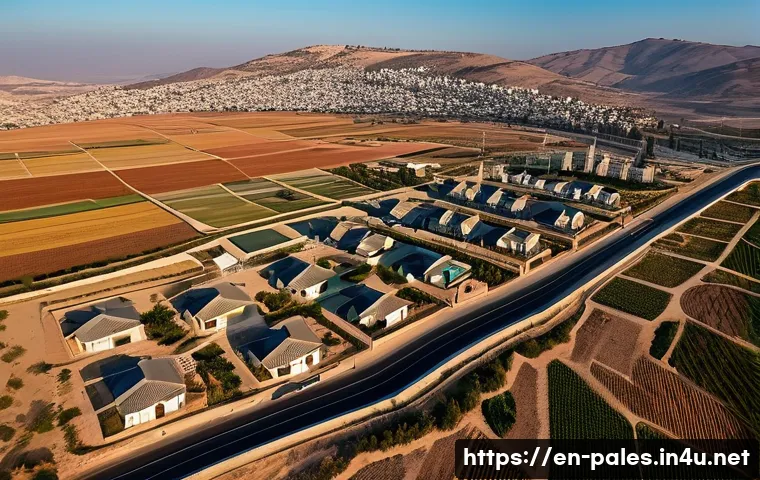
In today’s rapidly changing world, the urban landscape of Palestine stands at a pivotal crossroads. Amid ongoing challenges, the future of city development here is not just about rebuilding structures but reimagining communities.
As global trends push for sustainable and resilient cities, Palestine’s unique socio-political context adds layers of complexity and opportunity. Join me as we explore how innovation, culture, and resilience are shaping the next chapter of urban life in this vibrant region.
This journey offers fresh insights that everyone interested in urban transformation won’t want to miss.
Revitalizing Urban Spaces through Community Engagement
Grassroots Participation in Urban Planning
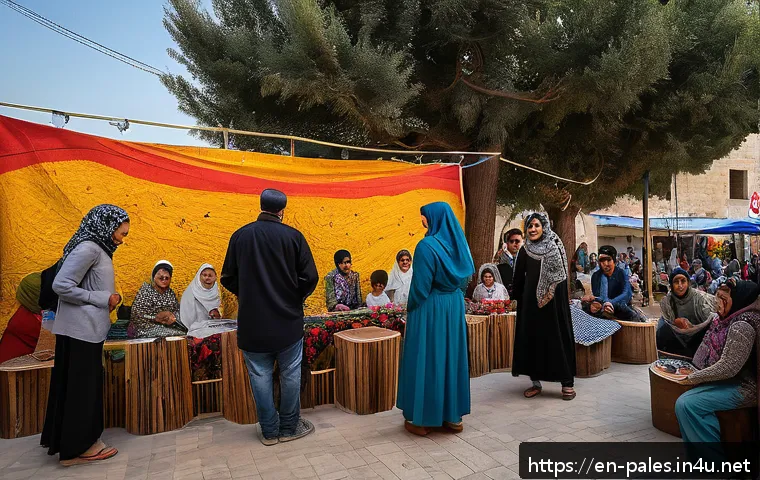
In many Palestinian cities, urban planning has increasingly embraced the voices of local residents. Unlike traditional top-down approaches, this shift empowers communities to actively participate in shaping their neighborhoods.
From informal gatherings to organized workshops, residents share their needs and priorities, ensuring that development projects resonate with the lived realities of the people.
This hands-on involvement not only fosters a sense of ownership but also enhances the sustainability of projects by aligning them with cultural and social nuances unique to each area.
Personally, I’ve seen how this collaborative spirit transforms spaces from mere constructions into vibrant hubs of daily life, where the community’s identity is preserved and celebrated.
Incorporating Traditional Architecture with Modern Needs
One of the fascinating aspects of urban renewal in Palestine is the blending of age-old architectural styles with contemporary functionality. Instead of erasing historical aesthetics, architects and planners are integrating traditional motifs, materials, and layouts into new constructions.
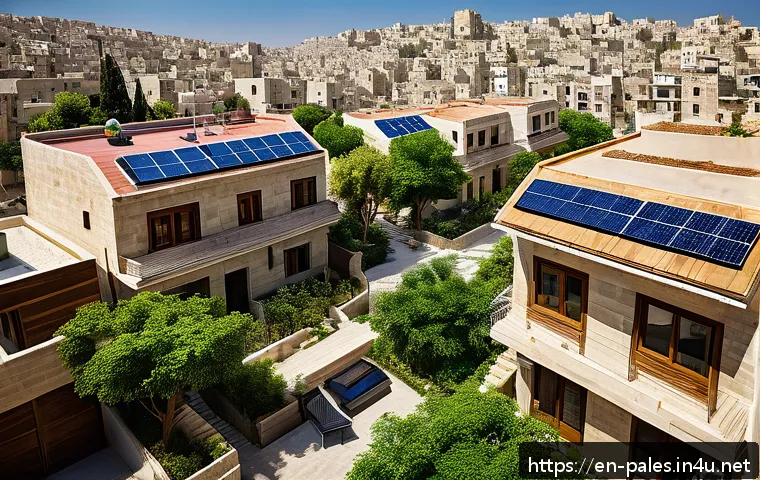
This approach respects cultural heritage while addressing modern demands such as energy efficiency and accessibility. Walking through neighborhoods where old stone facades coexist with solar panels and green rooftops, you can feel the dialogue between past and present.
This fusion not only appeals visually but also supports environmental goals, making cities more resilient without sacrificing their soul.
Community-Led Green Initiatives
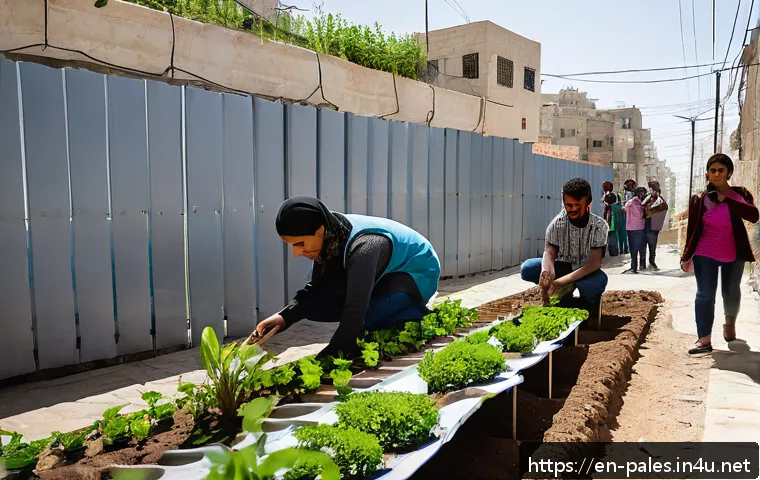
Green spaces have become more than just beautification projects—they’re vital for improving quality of life in densely populated areas. In Palestine, local groups have spearheaded efforts to create urban gardens, pocket parks, and tree-lined streets, often overcoming significant resource limitations.
These initiatives provide much-needed recreational areas, improve air quality, and foster social interaction. From my conversations with community leaders, the pride in these green projects is palpable; they’re seen as symbols of hope and resilience amid ongoing challenges.
The enthusiasm and creativity behind these grassroots movements inspire a broader vision for greener, healthier cities.
Technological Innovation Driving Sustainable Growth
Smart Infrastructure Amidst Constraints
Introducing smart technologies into urban infrastructure has been a game changer, even in regions facing infrastructural challenges. In Palestinian cities, innovations such as sensor-based water management and solar-powered street lighting are being piloted to optimize resource use and reduce operational costs.
These technologies, often adapted to local conditions, help mitigate the impact of unreliable utilities. From personal experience, witnessing these smart solutions in action reveals how technology can bridge gaps caused by political and economic constraints, offering practical improvements to daily life.
Leveraging Data for Urban Resilience
Data collection and analysis are increasingly essential in planning resilient cities. Local authorities and NGOs have started employing geographic information systems (GIS) and real-time monitoring tools to better understand urban dynamics, from traffic patterns to environmental risks.
This data-driven approach allows for informed decision-making, prioritizing areas most in need of intervention. I recall a project where data mapping highlighted flood-prone zones, leading to targeted drainage improvements that significantly reduced damage during rainy seasons.
This blend of technology and local knowledge is vital for creating cities that can adapt and thrive despite uncertainties.
Empowering Youth through Tech Education
A growing trend is the focus on equipping young Palestinians with skills in technology and innovation. Coding bootcamps, hackathons, and digital entrepreneurship programs are becoming more common, enabling youth to contribute directly to urban development challenges.
This not only nurtures a new generation of problem-solvers but also helps retain talent within the region. From attending some of these events, it’s clear how energized and hopeful young participants are, eager to apply their knowledge toward building smarter, more inclusive urban environments.
Economic Revitalization Linked to Urban Renewal
Creating Job Opportunities through Construction and Services
Urban development projects naturally stimulate local economies by generating employment in construction, maintenance, and related service sectors. In Palestine, these projects have been critical in providing livelihoods amid limited job markets.
What I’ve observed is that beyond just temporary jobs, some initiatives include training programs that equip workers with skills transferable to other industries, fostering long-term economic empowerment.
This holistic approach helps communities not only rebuild their cities but also rebuild their economic foundations.
Boosting Local Businesses via Improved Urban Design
Thoughtfully designed public spaces encourage commerce by attracting foot traffic and enhancing accessibility. Markets, cafes, and artisan shops thrive in areas where pedestrian-friendly streets and communal gathering spots are prioritized.
In Palestinian cities, this has led to revitalized historic centers where traditional crafts and modern enterprises coexist. Walking through these vibrant streets, the buzz of small business activity is a testament to how urban design can catalyze economic resilience, offering entrepreneurs a platform to grow and sustain their ventures.
Tourism as a Catalyst for Sustainable Development
Cultural and historical richness offers Palestine a unique advantage in attracting tourism, which in turn fuels urban regeneration. Investments in preserving landmarks, improving infrastructure, and promoting cultural events have begun to draw more visitors, creating new revenue streams.
From my visits, the interplay between tourism and local development is evident—enhanced urban spaces not only welcome tourists but also improve residents’ quality of life, creating a positive feedback loop that supports sustainable growth.
Social Cohesion Through Inclusive Urban Policies
Addressing Housing Needs with Equity
Housing remains a critical issue, with many facing overcrowding and inadequate living conditions. Urban strategies focused on equitable housing development aim to provide affordable, safe, and dignified homes for all socio-economic groups.
Programs that prioritize marginalized communities and involve them in decision-making processes foster social inclusion. Having spoken with residents, I realize that feeling secure in one’s home profoundly impacts community stability and individual well-being, underscoring the importance of these inclusive policies.
Public Spaces as Platforms for Cultural Exchange
Open, accessible public spaces play a vital role in nurturing social bonds and cultural expression. In Palestinian urban areas, plazas, community centers, and markets serve as meeting points where diverse groups interact, celebrate, and share traditions.
These venues are more than physical spaces; they’re living forums that strengthen identity and mutual understanding. Experiencing these communal gatherings firsthand, I’ve noticed how such environments promote harmony and resilience, helping societies withstand external pressures.
Supporting Vulnerable Populations through Urban Design
Inclusive urban design also means accommodating the needs of the elderly, people with disabilities, and refugees. Features like ramps, tactile paving, and accessible public transport enhance mobility and participation in city life.
Local initiatives often integrate social services within urban planning, creating support networks embedded in the fabric of the city. Observing these efforts reveals a compassionate approach to development that recognizes diversity and strives to leave no one behind.
Environmental Sustainability as a Cornerstone
Water Management Innovations
Water scarcity is a pressing challenge in Palestine, making efficient water management crucial. Projects focusing on rainwater harvesting, wastewater recycling, and leak reduction have shown promising results.
Community education campaigns complement technical solutions, promoting conservation habits. I remember visiting a neighborhood where new water tanks and drip irrigation systems transformed gardens and small farms, demonstrating how practical interventions can enhance sustainability and food security simultaneously.
Renewable Energy Integration
Given frequent electricity shortages, renewable energy sources such as solar power have become essential. Urban projects increasingly incorporate solar panels on public buildings and residential rooftops, reducing dependence on unstable grids.
This transition not only improves energy reliability but also lowers carbon footprints. From personal experience, I’ve seen how solar-powered streetlights extend evening activity hours safely, contributing to economic and social vibrancy.
Waste Reduction and Recycling Efforts
Solid waste management has improved through community-driven recycling programs and awareness campaigns. Local NGOs collaborate with municipalities to set up collection points and educate residents about sorting waste.
These efforts not only reduce environmental pollution but also create opportunities for small-scale recycling businesses. Witnessing these programs in action highlights the power of collective responsibility in fostering cleaner, healthier urban environments.
Table: Key Elements of Urban Transformation in Palestine
| Aspect | Initiatives | Impact | Community Role |
|---|---|---|---|
| Community Engagement | Participatory planning workshops, grassroots green projects | Enhanced ownership, sustainable urban spaces | Active resident involvement in decision-making |
| Technological Innovation | Smart water systems, solar lighting, GIS mapping | Resource optimization, improved resilience | Youth-led tech education and innovation |
| Economic Revitalization | Job creation, support for local businesses, tourism development | Increased employment, diversified income sources | Entrepreneurial growth and cultural promotion |
| Social Inclusion | Affordable housing, accessible public spaces | Greater equity, strengthened social bonds | Inclusion of vulnerable populations |
| Environmental Sustainability | Water conservation, renewable energy, recycling programs | Reduced resource strain, healthier environment | Community education and participation |
Building Resilience through Cultural Preservation
Celebrating Heritage in Urban Renewal
Palestinian cities are rich with cultural landmarks that tell stories of generations. Urban renewal efforts often prioritize preserving these treasures, integrating them into new developments as focal points for identity and pride.
This approach counters the erasure that can accompany rapid modernization, ensuring that history remains a living part of city life. I’ve felt the deep emotional connection residents have with their heritage sites, which serve as anchors amid change.
Arts and Festivals as Urban Catalysts
Artistic expression and cultural festivals breathe life into urban spaces, creating dynamic environments that attract locals and visitors alike. These events often take place in revitalized public areas, turning them into stages for creativity and dialogue.
Participating in such festivals, I’ve witnessed how they foster community cohesion and stimulate local economies, reinforcing the notion that culture is integral to urban vitality.
Storytelling and Memory in Public Spaces
Incorporating storytelling elements—such as murals, installations, and plaques—into public spaces transforms them into repositories of collective memory.
These narratives educate and inspire, connecting past struggles and achievements to present aspirations. Walking through neighborhoods adorned with such art, I’ve seen how residents, especially youth, engage more deeply with their surroundings, cultivating a sense of belonging and responsibility.
Collaborative Governance for Future-Ready Cities
Multi-Stakeholder Partnerships
Effective urban development in Palestine often hinges on partnerships between government entities, NGOs, international donors, and local communities. This collaborative governance model pools resources, expertise, and legitimacy to tackle complex challenges.
From my observations, projects that embrace this inclusive approach tend to be more adaptive and sustainable, reflecting diverse perspectives and needs.
Transparency and Accountability Mechanisms
Building trust is essential in contexts marked by political uncertainty. Transparent planning processes, open communication channels, and accountability measures help ensure that projects meet community expectations and ethical standards.
I’ve seen how regular public consultations and accessible reporting foster confidence and mitigate conflicts, crucial for long-term success.
Capacity Building for Local Authorities
Investing in the skills and knowledge of municipal staff equips cities to manage growth effectively and respond to emerging challenges. Training programs in urban management, financial planning, and community engagement strengthen institutional capacity.
Interacting with local officials, it’s evident that such support empowers them to lead transformation efforts with greater confidence and innovation.
Conclusion
Urban transformation in Palestinian cities showcases the power of community-driven initiatives combined with innovative technologies and cultural preservation. These efforts not only address immediate challenges but also build resilient, inclusive, and sustainable urban environments. Witnessing this dynamic process reveals how thoughtful collaboration can shape cities that truly reflect the needs and identities of their inhabitants.
Helpful Information
1. Community engagement is key to sustainable urban planning, ensuring projects meet local needs and values.
2. Integrating traditional architecture with modern solutions helps preserve cultural heritage while enhancing functionality.
3. Technological innovations like smart water management and renewable energy improve resource efficiency despite constraints.
4. Economic revitalization through job creation, local business support, and tourism strengthens community livelihoods.
5. Inclusive urban policies and environmental sustainability initiatives promote equity, health, and social cohesion.
Key Takeaways
Successful urban renewal requires active participation from residents, respectful integration of heritage, and adoption of smart, sustainable technologies. Equally important is fostering economic opportunities and social inclusion to create thriving, resilient cities. Transparent governance and capacity building are essential to sustaining these efforts and adapting to future challenges.
Frequently Asked Questions (FAQ) 📖
Q: uestionsQ1: How does Palestine’s socio-political situation impact its urban development strategies?
A: Palestine’s socio-political context deeply influences urban development by introducing unique challenges such as restrictions on land use, limited access to resources, and political instability.
These factors require planners and communities to adopt flexible, resilient approaches that prioritize local needs and cultural preservation. The complexity also opens opportunities for innovative solutions like community-led projects and sustainable designs that reflect both the realities and aspirations of Palestinian residents.
Q: What role does sustainability play in the future of Palestinian cities?
A: Sustainability is central to the future of urban life in Palestine. Given resource constraints and environmental concerns, cities are focusing on energy-efficient buildings, water conservation, and green spaces that improve quality of life.
Embracing renewable energy and sustainable infrastructure not only addresses immediate challenges but also aligns with global trends. From my experience following local initiatives, these efforts foster stronger community ties and create more livable, resilient environments despite external pressures.
Q: How are cultural heritage and modern innovation balanced in Palestine’s urban transformation?
A: Balancing cultural heritage with modern innovation is a delicate but vital part of Palestine’s urban renewal. Cities here strive to protect historic sites and traditional architecture while integrating contemporary technologies and designs that meet today’s needs.
This fusion creates vibrant neighborhoods that honor the past while embracing progress. Personally, witnessing projects that incorporate traditional craftsmanship alongside smart urban planning has been inspiring—it shows how culture and innovation can coexist to shape a meaningful future.