The border issues surrounding Palestine remain one of the most complex and sensitive geopolitical challenges of our time. With shifting alliances and ongoing disputes over territory, the situation continues to impact regional stability and international relations.
Recent developments have intensified debates about sovereignty, security, and human rights in the area. Understanding these dynamics is crucial for grasping the broader implications on peace efforts and global diplomacy.
If you want to get a clearer picture of what’s really happening at the borders, let’s dive into the details together!
Mapping the Complexities of Territorial Claims
Historical Borders and Their Legacy
The borders in and around Palestine have been shaped by a convoluted history of colonial mandates, wars, and international agreements that often contradict one another.
From the British Mandate period to the UN Partition Plan of 1947, each phase introduced new lines on maps that have rarely translated into lasting peace on the ground.
These historical borders form a tangled web where claims overlap, and local populations have experienced displacement and uncertainty for generations.
Understanding the origins of these borders is essential to grasp why current disputes remain so intractable, as deeply rooted grievances continue to influence political and social dynamics today.
Current Disputed Areas and Their Significance
Today, the areas most contested include the West Bank, Gaza Strip, and East Jerusalem. Each region holds distinct strategic, religious, and cultural importance that fuels ongoing disputes.
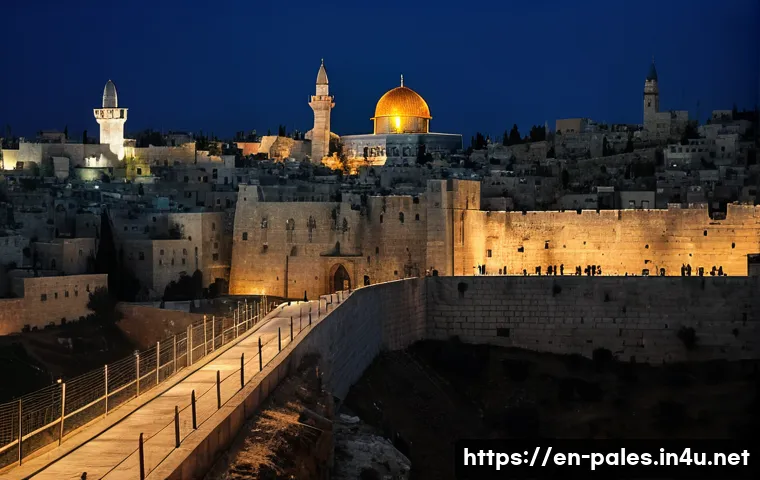
For instance, East Jerusalem is not only a focal point for Palestinian claims but also a city of profound significance to Jewish and Christian communities, adding layers of complexity.
The West Bank contains numerous Israeli settlements considered illegal under international law, yet they continue to expand, complicating negotiations.
Meanwhile, the Gaza Strip faces blockades and humanitarian crises that exacerbate tensions. These disputed zones are flashpoints for conflict and symbolize broader struggles over sovereignty and identity.
Impact of International Borders on Daily Life
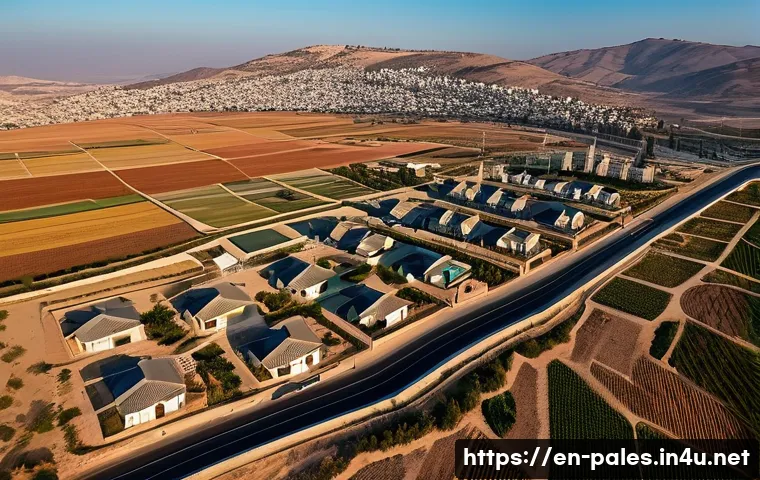
The delineation of borders affects everything from freedom of movement to economic opportunities for Palestinians. Checkpoints, walls, and restricted zones create daily hardships, fragment communities, and limit access to essential services.
For many living near these borders, crossing into neighboring areas is a complex and often perilous process involving permits and security screenings.
This physical fragmentation also hampers economic development, with restricted trade routes and limited access to resources stifling growth. The human cost of border disputes extends beyond political rhetoric, manifesting in tangible limitations on the lives of millions.
Security Concerns and Border Control Dynamics
Israeli Security Measures and Their Rationale
Israel’s approach to border security is largely driven by concerns over terrorism and maintaining territorial integrity. The construction of the West Bank barrier, extensive checkpoint systems, and military patrols are intended to prevent attacks but also significantly impact Palestinian mobility.
From Israel’s perspective, these measures have reduced violence in certain periods, yet critics argue they amount to collective punishment and infringe on human rights.
The security narrative is often used to justify strict controls, though the effectiveness and ethical implications of these policies remain highly debated within the international community.
Palestinian Perspectives on Border Restrictions
For Palestinians, border restrictions are seen as tools of occupation and control that undermine their autonomy and freedom. Many describe the barriers and checkpoints as daily reminders of their contested status and lack of sovereignty.
The restrictions not only limit physical movement but also foster resentment and mistrust, hindering prospects for peace. Palestinians living under these conditions often express frustration at the economic hardships and social isolation caused by border policies, fueling cycles of tension and conflict.
Their lived experiences highlight the human dimension behind geopolitical disputes.
The Role of Border Crossings in Conflict and Cooperation
Border crossings between Israel and Palestinian territories serve as critical points for both conflict and potential cooperation. While they are frequently sites of tension and confrontation, these crossings also represent opportunities for trade, humanitarian aid, and dialogue.
The flow of goods and people through these points can ease economic hardships and build interdependence, potentially fostering more stable relations. However, restrictions and closures often disrupt these possibilities, reflecting the broader instability in the region’s political landscape.
Understanding the dual nature of border crossings sheds light on the complex interplay of security and diplomacy.
International Influence and Diplomatic Efforts
Role of Global Powers in Shaping Border Policies
Major international actors, including the United States, European Union, and regional powers like Egypt and Jordan, have historically influenced border arrangements and peace negotiations.
Their involvement ranges from mediation efforts to military and economic support, shaping the balance of power and the contours of the conflict. These actors often have competing interests, which can complicate diplomatic initiatives.
For example, U.S. policies have fluctuated over administrations, affecting peace talks and recognition issues. Understanding these external influences is crucial to assessing why border disputes persist despite numerous diplomatic interventions.
United Nations and International Law Perspectives
The UN and various international legal bodies have issued numerous resolutions and opinions regarding the borders and status of Palestinian territories.
These include calls for a two-state solution based on pre-1967 borders and condemnation of settlement expansions. However, enforcement mechanisms are weak, and political realities on the ground often diverge from legal frameworks.
The international legal stance serves as a moral and diplomatic reference point, but the lack of consensus among member states and enforcement challenges limit its practical impact.
This dynamic illustrates the gap between legal ideals and geopolitical realities.
Peace Process Challenges Linked to Borders
Border issues are at the heart of stalled peace negotiations, with sovereignty and territorial control remaining major sticking points. Disagreements over the status of Jerusalem, security arrangements, and settlement boundaries have repeatedly derailed talks.
Additionally, internal Palestinian political divisions and Israeli domestic politics further complicate efforts. While some agreements have been reached on partial measures, a comprehensive resolution remains elusive.
These challenges highlight how deeply intertwined border questions are with broader political and identity-based conflicts, making any lasting peace agreement difficult to achieve.
Humanitarian Consequences and Border Realities
Living Conditions Near Border Areas
Communities situated near the contested borders often endure harsh living conditions due to restricted access to resources, infrastructure deficits, and economic isolation.
Water scarcity, limited healthcare, and constrained educational opportunities disproportionately affect these populations. The physical barriers and military presence exacerbate social and psychological stress, contributing to a cycle of poverty and instability.
Personal stories from residents reveal the profound human cost behind geopolitical discussions, emphasizing that borders are not just lines on a map but boundaries that shape daily survival.
Access to Aid and Cross-Border Assistance
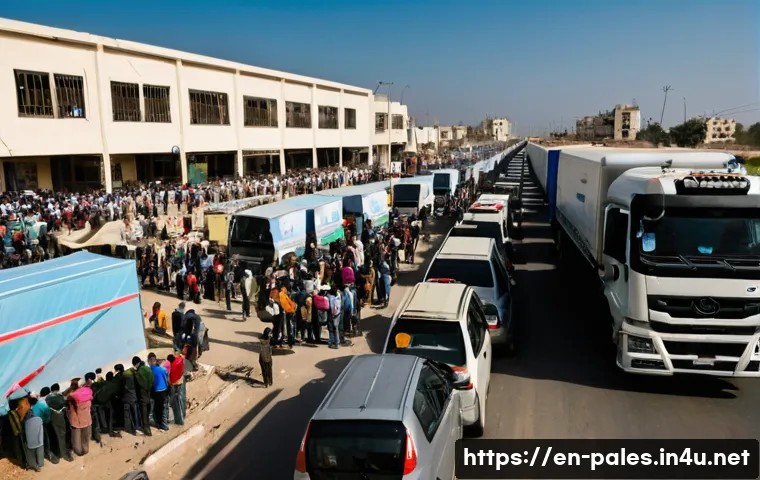
Humanitarian aid delivery is frequently impeded by border controls and security protocols, impacting the timeliness and scale of assistance. Organizations working in the region face challenges navigating bureaucratic hurdles and fluctuating policies that affect the flow of food, medical supplies, and development programs.
The complexity of border regimes requires constant negotiation and adaptation by aid agencies. Despite these obstacles, many have managed to provide critical support, underscoring the resilience and determination of humanitarian actors in a politically charged environment.
Voices from the Border Communities
The perspectives of those living in border areas offer valuable insights into the realities of conflict and the aspirations for peace. Many express a desire for normalcy, stability, and dignity, often overshadowed by political narratives.
Their experiences highlight the importance of including local voices in policy discussions and peace initiatives. Listening to these communities can reveal practical solutions and foster empathy, which are essential for building trust and sustainable coexistence.
Their stories remind us that beyond geopolitical calculations, human lives are profoundly affected by border disputes.
Economic Impacts of Border Disputes
Trade Restrictions and Economic Fragmentation
The division of Palestinian territories by contested borders has led to fragmented markets and restricted trade flows. Checkpoints and border closures disrupt supply chains, increase costs, and reduce competitiveness.
Palestinian businesses face difficulties accessing regional and international markets, limiting economic growth and employment opportunities. This economic fragmentation reinforces dependency and hinders development efforts, contributing to higher poverty rates.
The border-related economic constraints are a significant factor behind social unrest and political instability in the region.
Employment Challenges and Labor Mobility
Border controls affect labor mobility, restricting Palestinians’ ability to seek employment in Israel and other areas. Many depend on work permits, which are limited and subject to strict regulations.
The resulting unemployment and underemployment exacerbate economic hardship and frustrate aspirations for a better life. For those who do secure permits, long waits at checkpoints and uncertain access add daily stress.
The labor market limitations caused by border policies highlight the interplay between security concerns and economic needs, demonstrating how border issues extend beyond politics into personal livelihoods.
Potential Economic Benefits of Border Cooperation
Despite challenges, there is potential for economic cooperation across borders that could improve living standards and foster peace. Joint industrial zones, trade facilitation, and infrastructure projects have been proposed or partially implemented, showing promise in creating jobs and building interdependence.
Such initiatives could reduce tensions by aligning economic interests and encouraging collaboration. However, political will and security assurances are prerequisites for success.
The economic dimension of border issues offers a pathway toward mutual benefit if obstacles can be overcome.
Key Border Areas: Characteristics and Issues
| Border Area | Primary Disputes | Significance | Current Challenges |
|---|---|---|---|
| West Bank | Settlements, territorial sovereignty, security control | Central to Israeli-Palestinian conflict, home to many Palestinians and Israeli settlements | Expansion of settlements, restricted movement, frequent clashes |
| Gaza Strip | Blockade, control of crossings, humanitarian access | High population density, site of repeated conflicts | Blockade impacts economy and aid, periodic escalations of violence |
| East Jerusalem | Status of city, religious sites, sovereignty claims | Religious and political symbol, contested capital claims | Disputes over residency rights, access to holy sites, settlement activity |
| Border with Egypt | Control of Rafah crossing, security threats | Gateway for Gaza to outside world, strategic for smuggling and aid | Frequent closures, security concerns, humanitarian access issues |
Technological and Infrastructural Aspects of Border Management
Surveillance and Security Technologies
Advanced technologies play a critical role in managing and monitoring borders in this volatile region. Israel employs high-tech surveillance systems, including drones, sensors, and electronic fences, aimed at detecting infiltration and preventing attacks.
These tools enhance security but also raise concerns about privacy and militarization of civilian spaces. From a practical standpoint, they allow for quicker responses but can contribute to an atmosphere of tension and mistrust.
The deployment of technology at borders reflects the intersection of modern security strategies with traditional conflict dynamics.
Infrastructure Challenges and Development
Infrastructure at border crossings is often inadequate or damaged due to conflict and political neglect. Limited capacity at checkpoints causes long delays, affecting commerce and daily life.
Efforts to upgrade roads, inspection facilities, and crossing points face funding and political obstacles. Improvements in infrastructure could facilitate smoother movement and economic activity, yet these projects are frequently stalled by security concerns and political disagreements.
The physical state of border infrastructure is both a symptom and a cause of broader regional instability.
Innovations in Border Management and Their Implications
There have been attempts to introduce innovative approaches, such as biometric identification and streamlined customs procedures, to ease border management while maintaining security.
These innovations aim to reduce wait times and improve efficiency but require trust and cooperation between parties that are often in conflict. The success of such initiatives depends on political will and mutual recognition of benefits.
While technology offers promising tools, it cannot replace the need for political solutions to the underlying disputes that fuel border tensions.
Conclusion
Territorial disputes around Palestine are deeply rooted in history, shaped by complex political, religious, and social factors. Understanding these multifaceted issues helps clarify why peace remains elusive. While security concerns and international involvement play significant roles, the human impact of these borders is profound. Any lasting solution must balance these realities with genuine dialogue and cooperation.
Useful Information to Keep in Mind
1. Historical borders have created overlapping claims that continue to fuel conflict today.
2. Key disputed areas like the West Bank, Gaza Strip, and East Jerusalem each carry unique challenges and significance.
3. Border restrictions heavily affect daily life, limiting movement, economic activity, and access to services.
4. International actors influence border policies, but their interests often complicate peace efforts.
5. Technological advancements in border management can improve security but require political cooperation to succeed.
Summary of Key Points
The territorial disputes in Palestine are intertwined with historical legacies and ongoing political struggles, making border issues central to the conflict. Security measures and border controls impact both Israeli and Palestinian communities, often exacerbating tensions and economic hardships. International diplomacy continues to face challenges due to competing interests and legal ambiguities. Meanwhile, humanitarian concerns highlight the urgent need for solutions that address the human costs behind geopolitical complexities. Ultimately, technological and infrastructural improvements offer potential benefits but cannot replace the necessity for genuine political agreements and mutual understanding.
Frequently Asked Questions (FAQ) 📖
Q: Why are the borders around Palestine such a contentious issue?
A: The borders are contentious because they are tied to deep historical claims, political control, and security concerns. Different groups assert rights over overlapping territories, and shifting control over these areas fuels disputes.
The complexity is heightened by international involvement, settlements, and the legacy of past conflicts, making it difficult to reach a universally accepted agreement.
This ongoing uncertainty directly affects the daily lives of people living in these regions and challenges efforts toward lasting peace.
Q: How do recent developments affect the stability of the region?
A: Recent developments, such as changes in political leadership, shifts in alliances, and new security measures, often raise tensions and uncertainty. For example, announcements regarding settlement expansions or border adjustments can provoke strong reactions from both sides, sometimes leading to clashes or diplomatic fallout.
These events not only impact local communities but also influence broader regional stability, as neighboring countries and global powers respond to the evolving situation, sometimes escalating or de-escalating conflicts.
Q: What role do human rights concerns play in the border disputes?
A: Human rights are central to the border disputes because the conflict affects civilians’ freedom of movement, access to resources, and security. Restrictions at checkpoints, displacement, and violence contribute to significant humanitarian challenges.
International organizations and activists often highlight these issues to advocate for protections and accountability. Understanding these human rights dimensions is crucial, as they underline the urgency for solutions that respect the dignity and rights of all people living in the contested areas.