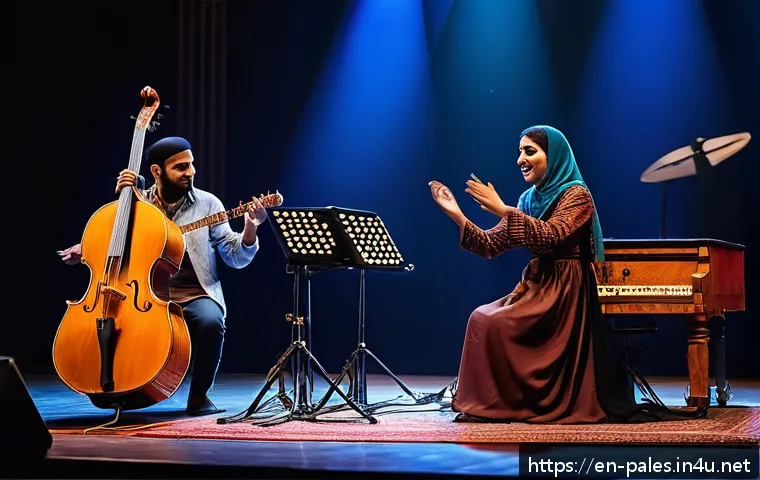
In today’s rapidly evolving global music scene, Palestine’s vibrant soundscape is capturing fresh attention, blending tradition with contemporary beats.
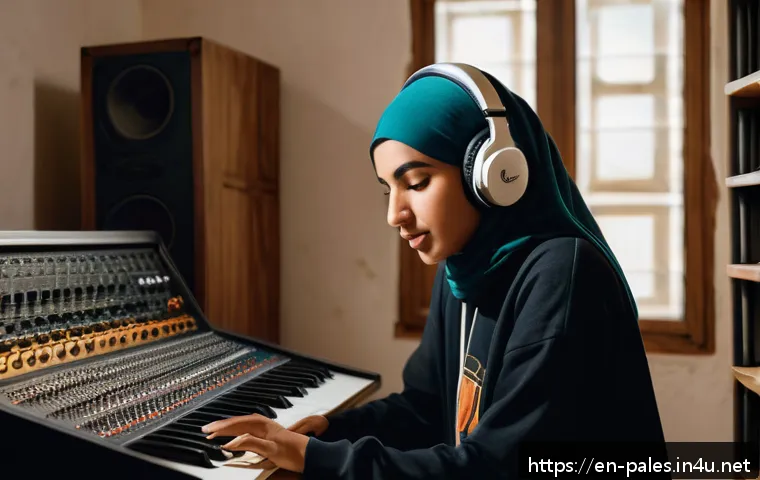
As voices from this region gain international recognition, exploring their journey reveals not just melodies but powerful stories of identity and resilience.
Whether you’re a music lover or curious about cultural expression, diving into Palestine’s modern music offers a unique window into its rich heritage and dynamic present.
Stick around to uncover how artists are reshaping narratives through sound, inspiring a new generation worldwide. This exploration promises a fascinating look at creativity flourishing amidst challenges.
The Fusion of Tradition and Innovation in Palestinian Music
Reviving Ancient Sounds with Modern Instruments
Palestinian artists have been brilliantly weaving their rich traditional melodies with contemporary musical instruments, creating a unique sonic experience that honors the past while embracing the present.
For example, the oud, a staple in Middle Eastern music, is frequently paired with electric guitars or synthesizers, resulting in a fresh yet authentic soundscape.
I’ve noticed that this blend not only preserves cultural identity but also appeals to younger listeners who crave something both familiar and new. The way these musicians reinterpret age-old tunes with modern flair makes their music stand out globally, inviting audiences to explore Palestinian culture beyond headlines and politics.
Genre Blending: From Folk to Hip-Hop
It’s fascinating to see how Palestinian artists are not confined to one style; instead, they fluidly cross genres, mixing folk, hip-hop, pop, and even electronic music.
Hip-hop, in particular, has become a powerful medium for storytelling, allowing artists to address social issues and personal struggles with raw honesty.
I remember attending a virtual concert where the rapper’s verses combined traditional Arabic rhythms with hard-hitting beats, creating an intense emotional connection.
This genre-blending approach is reshaping global perceptions of Palestinian music, showing its diversity and adaptability in today’s music landscape.
Collaborations That Transcend Borders
Collaborations between Palestinian musicians and international artists have skyrocketed recently, opening doors to new sounds and audiences. These partnerships often blend different cultural influences, resulting in innovative tracks that resonate worldwide.
From working with European producers to sharing the stage with renowned Middle Eastern artists, these collaborations reflect a spirit of unity and creative exchange.
Personally, I find these cross-cultural projects inspiring because they demonstrate how music can break down barriers and amplify Palestinian voices on a global platform.
Voices of Resistance and Identity in Lyrics
Storytelling Through Song
Lyrics in Palestinian music frequently carry profound narratives that reveal the lived experiences of displacement, hope, and resilience. Unlike mainstream pop that might focus on love and leisure, Palestinian songs often serve as oral histories, preserving stories that might otherwise be forgotten.
I’ve come across tracks where the singer’s voice carries such raw emotion that it feels like you’re listening to a personal diary, not just a song. This storytelling aspect adds a deep layer of meaning, making the music not only entertaining but educational and deeply moving.
Empowerment and Social Commentary
Music in Palestine isn’t just art—it’s activism. Many artists use their platform to challenge social norms, advocate for human rights, and inspire empowerment, especially among youth and women.
Female singers and rappers, for instance, have emerged as powerful figures pushing boundaries in a traditionally conservative society. Their courage and creativity give hope and spark conversations around gender and freedom.
From my perspective, this blend of artistry and advocacy is what makes Palestinian music so compelling—it’s a voice for change wrapped in melody.
Language as a Cultural Anchor
Arabic remains the primary language in Palestinian music, anchoring the songs in a specific cultural and historical context. Yet, many artists incorporate English or other languages to reach broader audiences, creating a bilingual or multilingual experience.
I find this linguistic mixing fascinating because it reflects the diasporic nature of Palestinian identity and the desire to communicate beyond borders.
It’s a clever way to maintain authenticity while engaging with the global music market, showing that language can be both a bridge and a statement of pride.
Innovative Platforms Shaping the Music Scene
Digital Media and Social Networks
The rise of digital platforms like YouTube, Spotify, and TikTok has dramatically transformed how Palestinian music is produced, distributed, and consumed.
Artists no longer rely solely on traditional media or local venues; instead, they harness these tools to reach international listeners instantly. I’ve personally discovered several Palestinian musicians through social media shares and playlists, which helped me appreciate their work without geographic limitations.
This democratization of music distribution empowers emerging talents and amplifies diverse voices that might have gone unheard otherwise.
Virtual Concerts and Global Connectivity
In recent years, especially following the pandemic, virtual concerts have become a lifeline for Palestinian artists to connect with fans worldwide. These online events often combine live performances with interactive elements, creating immersive experiences that transcend physical boundaries.
From attending virtual festivals featuring Palestinian lineups to watching live-streamed studio sessions, I’ve witnessed how this format sustains community and cultural exchange despite challenging circumstances.
It’s an exciting evolution that keeps the music alive and accessible to everyone, anywhere.
Independent Labels and DIY Culture
The emergence of independent music labels and DIY production has empowered many Palestinian musicians to take control of their creative process and careers.
Without relying on large corporations, these artists manage their recordings, marketing, and tours, fostering a more authentic and grassroots music scene.
I admire this entrepreneurial spirit because it reflects resilience and dedication to art beyond commercial pressures. This shift also encourages innovation and diversity, as musicians experiment freely and connect directly with their audience.
Musical Instruments and Their Symbolism
The Oud: Heart of Palestinian Sound
The oud, often called the “king of instruments” in Middle Eastern music, holds a special place in Palestinian musical tradition. Its deep, resonant tones evoke centuries of history and emotion, making it a powerful symbol of cultural continuity.
When I hear the oud, I feel an immediate connection to the land and its stories, as if the instrument itself carries the voices of ancestors. Many contemporary artists continue to feature the oud prominently, blending its classic sound with modern arrangements to create something timeless yet fresh.
Traditional Percussion and Rhythms
Percussion instruments such as the darbuka and riq provide the rhythmic backbone for much of Palestinian music. These drums produce intricate patterns that can energize a dance or underscore a poignant ballad.
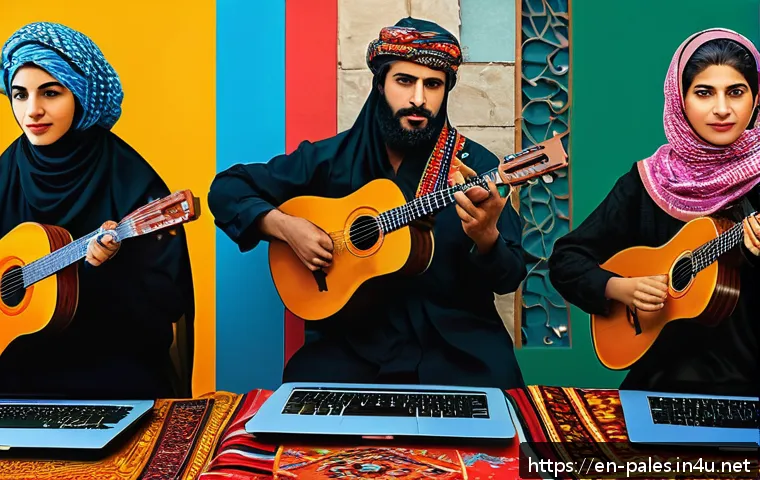
In live performances, the interplay between percussionists and other musicians creates a dynamic atmosphere full of life and spontaneity. From personal experience attending a local festival, the percussive beats were contagious, compelling everyone to move and celebrate together.
This rhythmic foundation is essential to both traditional and contemporary Palestinian music.
New Instruments and Electronic Sounds
While traditional instruments remain central, Palestinian musicians are increasingly incorporating electronic instruments and digital effects into their work.
Synthesizers, drum machines, and sampling techniques add layers of texture and modernity, enabling artists to push creative boundaries. I find this integration thrilling because it showcases how Palestinian music evolves without losing its roots.
The contrast between ancient and futuristic sounds offers a fresh listening experience, highlighting the adaptability and innovation within this vibrant music culture.
Key Artists and Their Impact on Global Music
Trailblazers in Palestinian Music
Artists like DAM, the pioneering Palestinian hip-hop group, have paved the way for many others by blending activism with artistry. Their fearless approach to addressing political and social issues through music has earned them international acclaim and inspired countless young musicians.
Personally, discovering DAM was eye-opening; their lyrics hit hard, but their beats kept me hooked. They exemplify how music can be a tool for both entertainment and education, changing perceptions and raising awareness worldwide.
Rising Stars to Watch
Newcomers such as Shadia Mansour and Mohammed Assaf are making waves with their distinctive styles and compelling messages. Shadia Mansour’s fusion of rap and traditional melodies challenges stereotypes and empowers marginalized voices, while Mohammed Assaf’s soulful singing has brought Palestinian music to global audiences through platforms like Arab Idol.
I’ve followed their careers closely and appreciate how they each contribute uniquely to the evolving soundscape, proving that Palestinian music is vibrant, diverse, and thriving.
International Recognition and Awards
Palestinian musicians have increasingly gained recognition through international festivals, awards, and collaborations, highlighting their artistic excellence on a global stage.
These honors not only celebrate their talent but also amplify Palestinian culture and narratives. I recall when a Palestinian artist won a prestigious world music prize, the excitement among fans was palpable—it felt like a collective victory.
Such achievements validate the hard work and creativity of these musicians and encourage more global audiences to explore their music.
Challenges and Opportunities in the Music Industry
Political and Social Barriers
Navigating the music industry in Palestine comes with unique challenges, including restrictions on movement, limited access to resources, and political instability.
These obstacles can hinder artists from performing, recording, or touring freely. From conversations I’ve had with musicians, the frustration is real, yet their determination remains unshaken.
This resilience adds a profound depth to their music, making every note a testament to perseverance despite adversity.
Economic Constraints and Funding
Financial support for music projects is often scarce, forcing many artists to rely on crowdfunding, international grants, or personal resources. This economic reality shapes the production quality and outreach potential of Palestinian music.
I remember reading about musicians who recorded entire albums in makeshift home studios due to lack of funding, yet their passion and creativity shone through remarkably.
These financial challenges underscore the importance of supporting independent Palestinian artists to ensure their voices continue to be heard.
Growing Opportunities through Global Networks
Despite challenges, the expanding global interest in world music offers exciting opportunities for Palestinian artists to connect with new audiences and collaborators.
Music festivals, online platforms, and cultural exchange programs provide vital exposure and resources. I’ve observed how international partnerships can open doors previously closed, allowing artists to tour abroad and secure deals that sustain their careers.
This growing global network is a beacon of hope, promising a brighter future for Palestinian music on the world stage.
| Aspect | Description | Examples |
|---|---|---|
| Traditional Instruments | Core to Palestinian music’s identity, including oud and darbuka | Oud blends with electric guitar; darbuka drives rhythm in folk and pop |
| Genre Fusion | Mixing folk, hip-hop, electronic, and pop to create diverse sounds | DAM’s hip-hop activism; electronic beats layered with traditional melodies |
| Lyrics & Themes | Focus on resistance, identity, social justice, and storytelling | Songs addressing displacement, empowerment, and cultural pride |
| Distribution Platforms | Use of digital media, social networks, and virtual concerts | YouTube, Spotify, TikTok, virtual festivals |
| Industry Challenges | Political restrictions, funding shortages, limited resources | Home studio recordings; crowdfunding campaigns |
| Global Collaborations | Cross-cultural projects expanding reach and influence | Partnerships with European producers; international festival appearances |
In Conclusion
Palestinian music beautifully bridges tradition and innovation, offering a rich tapestry of sounds that tell stories of resilience and hope. Through genre blending, powerful lyrics, and global collaborations, these artists continue to redefine their cultural identity on the world stage. Their music not only entertains but also educates and inspires, making it a vital expression of Palestinian heritage and contemporary life.
Useful Information to Know
1. Traditional instruments like the oud and darbuka remain central to Palestinian music, grounding it in cultural history while allowing room for modern influences.
2. The fusion of genres such as folk, hip-hop, and electronic music broadens the appeal and showcases the versatility of Palestinian artists.
3. Lyrics often focus on themes of resistance, identity, and empowerment, giving the music a powerful social and political voice.
4. Digital platforms and virtual concerts have become essential tools for artists to reach global audiences and overcome local challenges.
5. Despite political and economic barriers, Palestinian musicians demonstrate remarkable resilience, supported increasingly by international collaborations and grassroots initiatives.
Key Takeaways
Palestinian music thrives through its unique blend of deep-rooted tradition and contemporary creativity, serving as both cultural preservation and social commentary. The artists’ ability to adapt and innovate amid challenges highlights their determination and passion. Digital media and global networks play a crucial role in amplifying their voices, while independent production empowers authentic artistic expression. Ultimately, Palestinian music stands as a testament to the enduring spirit and evolving identity of its people.
Frequently Asked Questions (FAQ) 📖
Q: What makes Palestinian modern music unique compared to other Middle Eastern music scenes?
A: Palestinian modern music stands out because it deeply intertwines traditional sounds with contemporary genres like hip-hop, electronic, and indie. What I find fascinating is how artists blend ancient instruments and melodies with modern beats, creating a sound that feels both rooted and fresh.
This fusion isn’t just about music—it’s a powerful form of storytelling that reflects the lived experiences, struggles, and hopes of the Palestinian people.
The authenticity and emotional depth in their music resonate globally, offering listeners a glimpse into a culture that’s rich yet often misunderstood.
Q: How do Palestinian musicians use their music to express identity and resilience?
A: Many Palestinian artists use their music as a platform to voice their identity and resilience amid ongoing political and social challenges. From my experience following this scene, their lyrics often address themes of displacement, hope, and resistance, making their work deeply personal and political.
Music becomes a form of activism, enabling them to preserve cultural heritage and connect with younger generations worldwide. It’s inspiring to see how these musicians don’t just entertain—they empower and educate through their craft, turning their stories into universal messages of strength and perseverance.
Q: How accessible is Palestinian modern music for international listeners?
A: Thanks to streaming platforms and social media, Palestinian modern music has become much more accessible globally. I’ve noticed that many artists actively engage with international audiences by releasing songs in multiple languages or collaborating with artists from different countries.
Plus, the growing global interest in diverse cultural expressions means listeners are more open than ever to exploring music beyond mainstream charts.
For anyone curious, diving into Palestinian music is just a few clicks away, and it’s a rewarding experience that broadens understanding while enjoying innovative sounds.