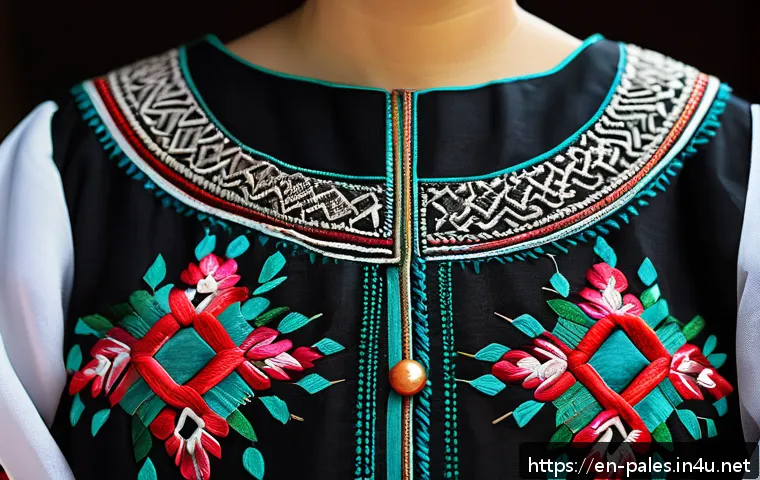
In a world where cultural identity often shapes global conversations, exploring Palestine’s rich heritage offers a unique window into its enduring spirit.
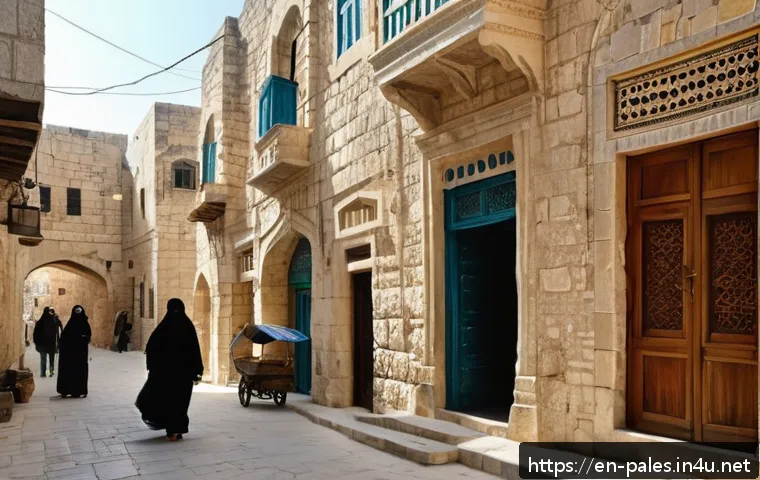
With recent efforts to preserve and celebrate its timeless symbols, now is the perfect moment to dive deeper into the stories that define this ancient land.
From intricate embroidery to historic architecture, Palestine’s cultural treasures reveal a narrative of resilience and pride. Join me as we uncover the vibrant traditions that continue to inspire generations, connecting past and present in meaningful ways.
Whether you’re a history buff or simply curious, this journey promises insights that go beyond headlines and headlines alone. Let’s embark on this cultural exploration together.
The Living Threads of Tradition
The Artistry Behind Palestinian Embroidery
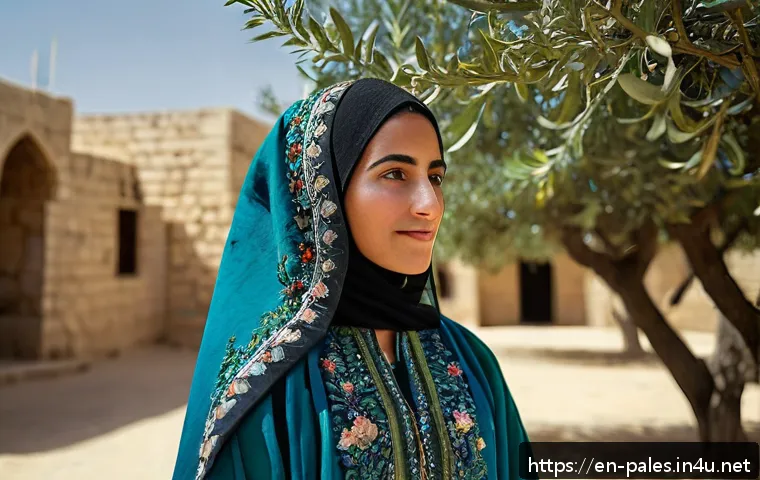
Palestinian embroidery is much more than decorative stitching; it’s a living language passed down through generations, each pattern telling a story of place, family, and identity.
Women traditionally crafted these intricate designs by hand, often using vibrant threads to adorn garments and household items. What fascinates me is how each region in Palestine has its distinct motifs—like the geometric shapes of Bethlehem or the floral patterns from Gaza—acting as a signature of origin.
Wearing a piece of embroidered fabric is like carrying a piece of history, a tactile connection to ancestors who used these stitches as a form of expression and resistance.
Experiencing these pieces firsthand reveals the deep pride and resilience woven into every thread.
Modern Revival and Global Recognition
Recently, Palestinian embroidery has seen a resurgence, especially among younger generations and diaspora communities eager to reconnect with their roots.
I’ve noticed local artisans combining traditional patterns with contemporary fashion, making the art accessible to a broader audience worldwide. This fusion not only preserves the craft but also sparks conversations about cultural identity in modern contexts.
Various NGOs and social enterprises have supported women in rural areas, helping them turn their embroidery into sustainable income sources. The global appreciation for these textiles underscores their timeless beauty and the stories they carry, proving that tradition can evolve without losing its essence.
Symbolism Embedded in Every Stitch
Each embroidered symbol carries meaning—from protection and fertility to social status and personal milestones. I found it remarkable how a simple motif can convey complex messages about the wearer’s life and community.
For example, the “tree of life” design often symbolizes growth and connection to the land, resonating deeply with Palestinians’ enduring ties to their homeland.
This symbolic language transforms embroidery into a narrative art form, inviting viewers to decode its hidden messages. Understanding these symbols enriches appreciation beyond aesthetics, revealing how cultural heritage is preserved through subtle yet powerful visual storytelling.
Echoes of the Past in Stone and Structure
Architectural Heritage as a Cultural Archive
Walking through the ancient streets of cities like Jerusalem and Hebron, you can’t help but feel that the buildings themselves tell stories of countless generations.
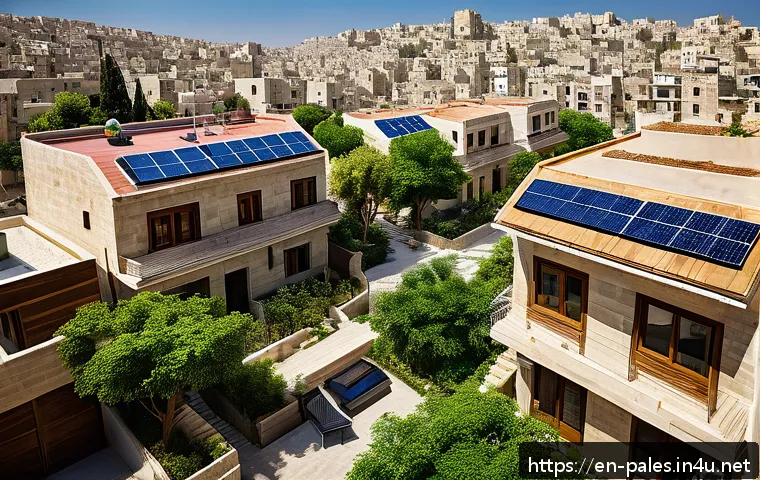
Palestinian architecture is a testament to the region’s rich history, blending influences from Byzantine, Ottoman, and Islamic traditions. The thick stone walls, arched doorways, and ornate windows are not just functional elements; they embody centuries of adaptation and survival.
Personally, exploring these sites felt like stepping into a living museum where every corner holds a memory of resilience and cultural pride. The preservation of these structures is crucial, as they serve as physical reminders of a people’s identity and their continuous connection to the land.
Traditional Homes and Their Social Significance
Traditional Palestinian homes were designed with both family life and social customs in mind. Courtyards often served as communal spaces where families gathered for meals and celebrations, fostering strong social bonds.
The layout of homes also reflected social hierarchy and hospitality, with separate rooms for guests to maintain privacy and honor cultural etiquette. I was struck by how these architectural choices reflected a deep understanding of community dynamics and the importance of preserving social harmony.
The use of local materials like limestone not only provided durability but also connected the buildings aesthetically and spiritually to their environment.
Conservation Efforts Amid Modern Challenges
Preserving these architectural treasures in the face of urbanization and political challenges is an ongoing struggle. Many historic sites have suffered damage or neglect, threatening the loss of invaluable cultural heritage.
However, I’ve witnessed inspiring efforts by local organizations and international partners working to restore and protect these landmarks. These projects often involve the community, blending traditional building techniques with modern conservation methods.
This collaborative approach ensures that restoration respects authenticity while making structures viable for contemporary use. It’s a delicate balance, but one that’s vital for maintaining a tangible link to Palestine’s storied past.
Culinary Traditions That Nourish More Than the Body
Flavors Rooted in History
Palestinian cuisine is a delicious tapestry woven from centuries of cultural exchange and local ingenuity. Dishes like musakhan, maqluba, and knafeh are not just meals—they’re rituals that bring families together and celebrate the land’s bounty.
What I find particularly captivating is how recipes have been preserved orally, passed down through generations without formal documentation. This oral tradition adds layers of intimacy and authenticity to the cooking experience.
Sharing a meal in Palestine often feels like participating in a living heritage, where every bite connects you to the stories and struggles of the people who created it.
Seasonal Ingredients and Sustainable Practices
Palestinian cooking emphasizes the use of fresh, seasonal ingredients sourced from local farms and gardens. Olive oil, za’atar, fresh vegetables, and aromatic herbs form the backbone of many dishes, highlighting a deep respect for nature’s rhythms.
I was amazed by the sustainability embedded in these culinary traditions—nothing goes to waste, and recipes often adapt to what’s available in the garden or market.
This approach not only supports the local economy but also preserves biodiversity and traditional agricultural practices. Experiencing these dishes firsthand gave me a greater appreciation for how food can embody cultural values and environmental consciousness simultaneously.
Food as a Medium of Cultural Expression
In Palestinian culture, food plays a vital role beyond nourishment; it’s a language of hospitality, celebration, and identity. Whether during weddings, religious holidays, or simple family gatherings, sharing food is a way to express love, solidarity, and resilience.
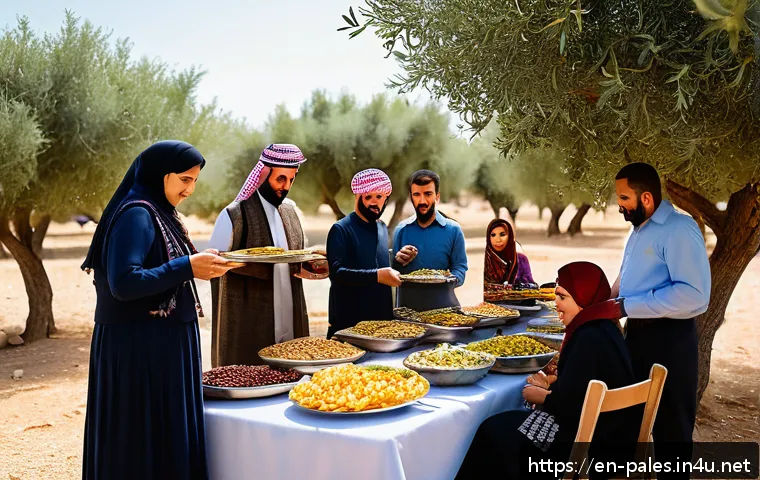
I recall attending a traditional feast where the host’s pride in their culinary heritage was palpable, and the atmosphere was charged with warmth and connection.
Food becomes a bridge between generations and communities, preserving cultural narratives and fostering a sense of belonging. This emotional and social dimension makes Palestinian cuisine a powerful symbol of cultural endurance.
Voices Carved in Poetry and Music
Oral Traditions That Resonate Through Time
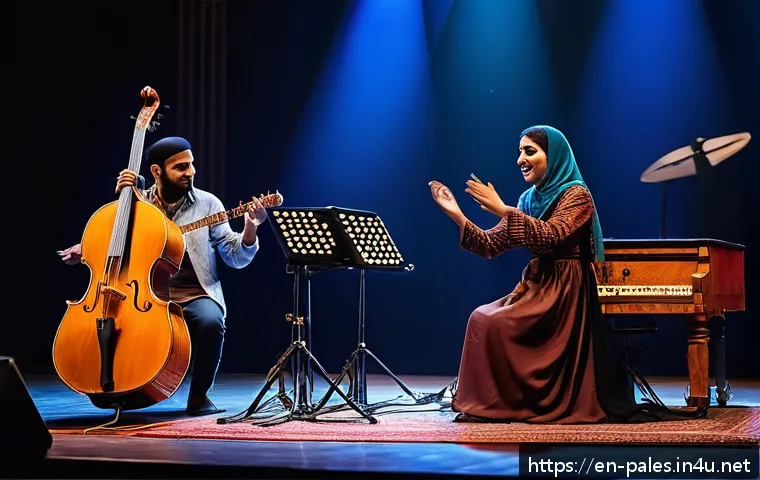
Palestinian poetry and music have long served as vehicles for storytelling, resistance, and cultural expression. From the haunting melodies of the oud to the rhythmic beats of the darbuka, these art forms capture the emotional landscape of a people deeply connected to their land and history.
I’ve found that many traditional songs and poems are passed down orally, preserving language nuances and historical memories that written texts might miss.
Listening to these performances, you sense a profound blend of sorrow, hope, and pride that resonates universally yet remains distinctly Palestinian.
Contemporary Artists Bridging Past and Present
Today’s Palestinian poets and musicians are innovating by blending traditional themes with modern styles, creating works that speak to both local and global audiences.
Artists like DAM and Rim Banna have used hip-hop and contemporary folk to amplify Palestinian narratives, reaching younger generations and international listeners alike.
I’ve been moved by how these artists honor their heritage while addressing contemporary issues, making their work both culturally rich and socially relevant.
This dynamic interplay between tradition and innovation highlights the evolving nature of Palestinian cultural identity.
Preserving Language and Identity Through Art
Arabic, in its Palestinian dialect, is not only a means of communication but also a vessel of cultural identity embedded in poetry and song. The preservation of language through oral and written art forms is crucial in maintaining a sense of community and continuity.
I’ve noticed that many cultural initiatives focus on teaching traditional songs and poetry to children, ensuring that these linguistic treasures survive future generations.
This commitment to language preservation is a testament to the community’s dedication to safeguarding their heritage amid external pressures and changing times.
Crafting Stories: The Role of Handicrafts Today
Traditional Craftsmanship as Cultural Ambassadors
Palestinian handicrafts, ranging from ceramics and glasswork to olive wood carvings, serve as tangible expressions of the country’s artistic heritage.
These crafts often carry symbols and techniques that have been refined over centuries. I personally find the meticulous process behind these crafts fascinating—each item tells a story not only of its maker but also of the cultural landscape it springs from.
By purchasing or displaying these handicrafts, people around the world become ambassadors of Palestinian culture, spreading awareness and appreciation far beyond the region’s borders.
Economic Empowerment Through Artisanal Work
Handicrafts also play a vital role in supporting local economies, especially for women and marginalized communities. Many initiatives empower artisans by providing training, resources, and market access, enabling them to sustain their livelihoods while preserving cultural practices.
I’ve met artisans who spoke passionately about how their work gives them a sense of purpose and pride, linking personal achievement with cultural preservation.
This economic dimension adds an important layer to handicrafts, transforming them into tools for social change and resilience.
Innovations and Contemporary Interpretations
While rooted in tradition, Palestinian handicrafts are not static; many artisans experiment with new materials and designs to appeal to modern tastes.
This innovation keeps the crafts relevant and broadens their appeal without compromising authenticity. Observing this creative evolution, I realized how culture can be both a foundation and a springboard for artistic expression.
The blending of old and new techniques enriches the cultural fabric and invites a wider audience to engage with Palestinian heritage.
Festivals and Rituals: Living Culture in Motion
Seasonal Celebrations and Community Bonds
Festivals in Palestine are vibrant occasions that reinforce social ties and cultural identity. Events like olive harvest festivals or religious celebrations bring communities together in shared rituals that honor the land and heritage.
Participating in these gatherings, I felt a strong sense of belonging and continuity, as if the collective memory of generations was being renewed. These festivals offer more than entertainment; they are acts of cultural affirmation and resilience, vital in preserving traditions under challenging circumstances.
Rituals Marking Life’s Milestones
Life-cycle rituals—births, weddings, and funerals—are deeply embedded with cultural symbolism and communal participation. Each ritual incorporates traditional music, dance, food, and dress, creating immersive experiences that connect individuals to their community and ancestry.
I recall witnessing a Palestinian wedding where the bride’s embroidered dress and the rhythmic dabke dance vividly expressed joy and cultural pride. These rituals serve as living narratives, weaving personal stories into the broader cultural tapestry.
Challenges and Adaptations in a Changing World
Modernization and political instability pose challenges to maintaining these festivals and rituals in their traditional forms. However, many communities adapt by incorporating new elements or shifting venues while keeping core values intact.
I admire how Palestinians creatively preserve their cultural expressions despite external pressures, demonstrating flexibility without losing identity.
This adaptability ensures that culture remains a living force, continuously shaping and being shaped by the people it represents.
| Aspect | Description | Significance |
|---|---|---|
| Embroidery | Handcrafted textile art with region-specific patterns | Expresses identity, history, and resilience |
| Architecture | Stone buildings blending historical styles | Physical archive of cultural memory and social life |
| Cuisine | Traditional dishes using seasonal local ingredients | Preserves oral heritage and fosters community |
| Music and Poetry | Oral art forms blending tradition and modernity | Conveys emotion, resistance, and identity |
| Handicrafts | Artisanal products like ceramics and woodwork | Supports economy and cultural preservation |
| Festivals and Rituals | Communal celebrations and life-cycle ceremonies | Reinforces social bonds and cultural continuity |
In Conclusion
Palestinian culture, rich with history and resilience, shines through its embroidery, architecture, cuisine, music, handicrafts, and vibrant festivals. Each element weaves together stories of identity and community, connecting past and present in meaningful ways. Experiencing these traditions reveals not only beauty but also the enduring spirit of a people committed to preserving their heritage. Embracing this living culture invites deeper understanding and appreciation beyond the surface.
Useful Information to Know
1. Palestinian embroidery is a symbolic art form where each pattern reflects specific regional identities and personal stories.
2. The region’s architecture preserves centuries of history, blending various cultural influences and serving as a living archive.
3. Palestinian cuisine relies on fresh, seasonal ingredients and oral recipe traditions, making meals a celebration of heritage.
4. Music and poetry remain powerful tools for storytelling, resistance, and preserving language and identity.
5. Handicrafts and festivals not only support local economies but also reinforce cultural continuity and social bonds.
Key Takeaways
Palestinian cultural traditions are deeply interwoven with daily life, expressing resilience and identity through diverse art forms and communal practices. Preservation efforts, both local and global, play a crucial role in maintaining these living traditions amid modern challenges. Understanding the meanings behind symbols, rituals, and creative expressions enriches appreciation and fosters meaningful connections. Ultimately, this cultural heritage is a testament to the enduring strength and unity of the Palestinian people.
Frequently Asked Questions (FAQ) 📖
Q: uestions about Palestinian Cultural HeritageQ1: What are some key symbols of Palestinian cultural identity?
A: Palestinian cultural identity is richly expressed through various symbols, including traditional embroidery known as tatreez, which tells stories through intricate patterns and colors.
Olive trees and their products, especially olive oil, are also iconic, symbolizing connection to the land and resilience. Historic architecture, such as ancient stone houses and the iconic Dome of the Rock, further reflect the deep-rooted heritage that Palestinians cherish and strive to preserve.
Q: How is Palestinian heritage being preserved in modern times?
A: Preservation efforts are vibrant and diverse. Local artisans continue to practice traditional crafts like embroidery and pottery, often passing skills down through generations.
Museums and cultural centers actively document and exhibit Palestinian history and art. Additionally, community festivals and educational programs promote awareness and pride in Palestinian traditions, helping younger generations stay connected to their roots despite challenges.
Q: Why is understanding Palestinian culture important beyond political headlines?
A: Understanding Palestinian culture offers a humanizing perspective that goes beyond conflict narratives. It reveals a community’s resilience, creativity, and enduring spirit through centuries of hardship.
Exploring the arts, cuisine, language, and traditions allows us to appreciate the richness of Palestinian life and fosters empathy. This cultural insight builds bridges, encouraging dialogue and respect in global conversations about the region.