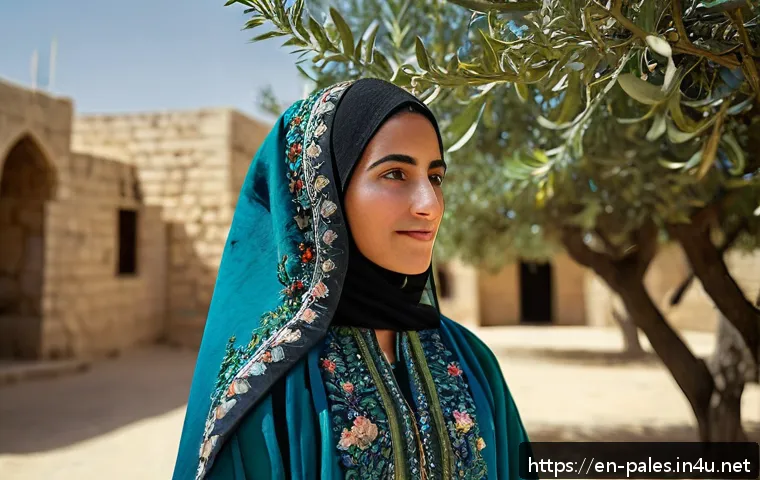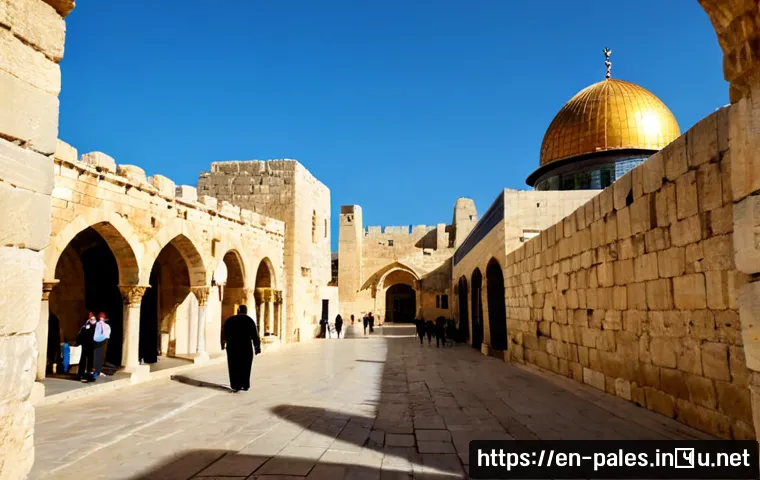
For a first heritage-focused visit in Palestine, choose Bethlehem for Christian pilgrimage, Jericho for deep archaeological history, and Battir for agricultural landscapes shaped by long-term farming.
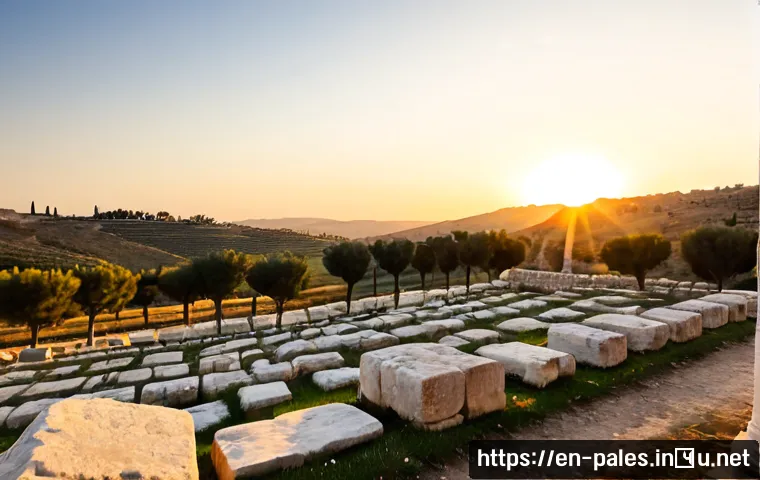
Hebron is a meaningful option for travelers interested in shared sacred history and an active old-town setting. The best choice depends less on trying to see everything and more on matching the site to your interests, available time, and current access conditions.
A local guide, private driver, or organized heritage tour can be useful when transport arrangements, checkpoints, or opening procedures are uncertain.
Before booking accommodation, transport, travel insurance, or a guided tour, confirm the conditions for your specific travel date. A flexible plan is usually more valuable than a tightly scheduled multi-site itinerary.
At a Glance
- Bethlehem is the leading choice for Christian pilgrimage and living religious heritage, centered on the Church of the Nativity.
- Jericho suits archaeology-focused travelers, with Tell es-Sultan and the early Islamic remains at Hisham’s Palace.
- Hebron and Battir add sacred urban history and historic agricultural landscapes, but access and timing should be checked carefully.
| Site | Main Heritage Focus | Guide Value | Transport Complexity | Planning Consideration |
|---|---|---|---|---|
| Bethlehem | Christian pilgrimage and religious heritage | Useful for historical and religious context | May vary by entry procedures and local conditions | Confirm worship-space access and opening arrangements |
| Jericho | Ancient settlement and early Islamic archaeology | Helpful for interpreting archaeological remains | Often easier with coordinated transport | Allow time for more than one archaeological stop |
| Hebron | Layered sacred history and old-town heritage | Strongly valuable for cultural context | Conditions and routes may affect plans | Check access rules, respectful behavior, and photography policies |
| Battir | Terraces, irrigation, and cultural landscape | Useful for understanding farming traditions | Depends on the planned route and local transport | Best approached as a landscape-focused visit rather than a rushed stop |
The Best Heritage Stops for Different Types of Travelers
Choose the heritage theme first. Palestine’s cultural landscape includes religious places, archaeological tells, Ottoman-era townscapes, agricultural terraces, and cultural routes. Trying to combine every theme in a single day can reduce the value of each visit, especially when access procedures or local travel conditions change.
Bethlehem for Christian Pilgrimage and Living Religious Heritage
The Church of the Nativity is traditionally associated with the birthplace of Jesus and remains one of the region’s major Christian pilgrimage destinations. It is a natural first stop for pilgrims, religious-history travelers, and visitors seeking a focused cultural day. A guide can help connect the site’s religious meaning with the wider setting of Bethlehem. Because it is an active religious place, visitors should confirm opening arrangements, worship access, dress expectations, and photography rules before arrival.
Jericho for Ancient Settlement and Early Islamic Archaeology
Jericho offers a different historical lens. Tell es-Sultan contains archaeological remains associated with some of the world’s earliest known urban settlement, while Hisham’s Palace is an early Islamic archaeological site known for its large mosaic floor. This combination makes Jericho especially suitable for travelers who prefer excavation sites, settlement history, and material culture over pilgrimage-centered travel. A guided archaeology tour can be worthwhile when interpretation matters, since visible remains do not always explain themselves.
Hebron for Layered Sacred History and Urban Heritage
The Old Town of Hebron includes the Ibrahimi Mosque, also known as the Cave of the Patriarchs, a place sacred to Muslims, Jews, and Christians. Its significance comes from both religious history and its setting within a living urban environment. Travelers should approach the area with patience, respect, and current local information. For visitors unfamiliar with the context, a knowledgeable local guide may offer more value than an unaccompanied, hurried visit.
Compare Sites by Time, Access, Guide Value, and Visitor Experience
Half-Day Versus Full-Day Planning
A half-day plan works best when one location is the clear priority. Bethlehem may suit travelers with a pilgrimage focus, while a Jericho day can be structured around Tell es-Sultan and Hisham’s Palace. Combining several destinations requires more flexibility because checkpoints, road access, opening hours, and local conditions can affect the day. Avoid building an itinerary that depends on every transfer happening exactly as expected.
When a Licensed Guide Adds Meaningful Context
A local or licensed guide can be most helpful at sites where religious practice, archaeological interpretation, or access procedures are central to the experience. Ask whether the guide’s service includes site interpretation, transport coordination, waiting time, and assistance with practical questions. For a visitor who simply wants independent time in Bethlehem, a guide may be optional. For a multi-site route involving Jericho, Hebron, or Battir, guided planning can reduce uncertainty.
Independent Transport, Private Drivers, and Organized Tours
Independent travelers may prefer maximum control, but should verify routes and access before committing to a schedule. A private driver can be useful when travelers want a custom route without joining a group. An organized tour may fit visitors who prefer transport and broad logistics arranged in advance. Compare the actual inclusions: guide service, transport, entry arrangements, cancellation terms, group size, and time spent at each location.
Building a Respectful and Practical Visit
Dress, Behavior, and Photography at Religious Places
Dress modestly at active religious sites and follow instructions given on arrival. Keep voices low where worship is taking place, do not assume every area is open to visitors, and ask before photographing people, interiors, or religious activity. Respect is part of itinerary planning, not an extra detail to handle at the door.
Checking Opening Times, Access Restrictions, and Local Conditions
Opening times, entry requirements, crossing procedures, security conditions, and road access can change. Check official visitor information, accommodation staff, your tour operator, or your guide close to the travel date. Also review what your travel insurance covers, particularly if itinerary changes affect booked transport or accommodation.
Avoiding Rushed Itineraries and Transport Assumptions
Do not treat a map as a guarantee of easy same-day movement. Build space into the plan for access checks, site closures, delays, and respectful time at each stop. Travelers with mobility needs, children, or limited time should ask specifically whether a proposed route is suitable rather than relying on general descriptions.
Suggested Routes for Pilgrims, History Travelers, and Short Stays
A Bethlehem-Centered Cultural Day
Make the Church of the Nativity the central visit, then leave room for the wider atmosphere of Bethlehem rather than adding distant sites simply to fill the day. This route is best for travelers who want religious heritage with fewer moving parts. Confirm the current visitor arrangements before setting a fixed arrival time.
A Jericho Archaeology-Focused Day
Center the day on Tell es-Sultan, then consider Hisham’s Palace if access, transport, and opening conditions allow. This is a stronger option for travelers interested in early settlement and early Islamic archaeology. A guide or organized archaeology-focused tour can help turn two separate stops into a coherent historical experience.
Multi-Site Planning for Travelers With More Time
With more time, combine destinations by theme rather than chasing a long checklist. Bethlehem and Hebron fit a sacred-history focus; Jericho and Hisham’s Palace suit archaeology; Battir works well for travelers interested in terraces, irrigation, and cultural landscape. Keep accommodation and transport bookings flexible where possible.
Choosing a Tour, Guide, Accommodation, and Transport Option
Questions to Ask Before Booking
Ask which sites are included, whether the itinerary depends on current access conditions, who provides the guide service, and how transport is arranged. Also ask what happens if a monument, worship space, road, or crossing is unavailable. These questions matter more than a broad promise to “see everything.”
Comparing Inclusions, Cancellation Terms, and Group Size
Compare guided tours by what they actually provide, not by headline wording alone. Check whether accommodation pickup, transport, local guiding, entry arrangements, and free time are included. Review cancellation and change terms carefully, since local conditions may affect feasibility.
When Flexibility Matters More Than the Lowest Price
The lowest-priced option may not be the best value if it leaves no room for access changes or meaningful time at the sites. A private driver, small group, or flexible accommodation plan may suit travelers who value adjustment over speed. Check the official information and detailed booking conditions on the relevant provider page before choosing.
Selection Criteria and Comparison Summary
Choose Bethlehem if Christian pilgrimage and a major religious landmark are your priority. Choose Jericho if ancient settlement, archaeological tells, and early Islamic remains are more important. Choose Hebron for layered sacred history, but confirm conditions carefully. Choose Battir for terraces, irrigation traditions, and a landscape-centered visit. Before booking, compare current access information, guide expertise, transport arrangements, cancellation flexibility, and whether the pace fits your travel needs.
Final Thoughts
A heritage visit in Palestine is strongest when it is built around one clear interest rather than an overly ambitious route. Bethlehem, Jericho, Hebron, and Battir each offer a distinct way to understand religious, archaeological, urban, and agricultural heritage. Conditions on the ground can shape what is practical on any given date, so confirm details close to departure. Thoughtful planning leaves more room for the places themselves.
Useful Things to Know
1. Religious sites may have different visitor arrangements during worship or special observances.
2. Archaeological sites are more rewarding when you understand their historical context.
3. Transport time may be affected by access procedures and local conditions.
4. Travel insurance, accommodation, and transport bookings should be reviewed for current terms and coverage.
Important Notes
This guide does not confirm current entry rules, crossing procedures, security conditions, road access, opening hours, guide availability, prices, photography rules, or insurance coverage. These details must be checked for the specific travel date and route. Travelers should also confirm whether individual sites are appropriate for their mobility needs, children, or available time.
Frequently Asked Questions
Q1. Which heritage sites in Palestine are best for a first-time visitor?
A1. Bethlehem is a clear first choice for Christian religious heritage, while Jericho is a strong choice for archaeology. Hebron may appeal to travelers seeking layered sacred history, and Battir suits those interested in cultural landscapes and farming traditions.
Q2. Is it worth booking a local guide for Bethlehem, Jericho, or Hebron?
A2. A guide can add value when you want religious, archaeological, or cultural context, or when access and transport arrangements are uncertain. For a simple, single-focus visit, independent travel may suit some visitors, provided current conditions are verified.
Q3. How should travelers check safety, access, and tour cancellation policies before visiting?
A3. Check official travel and visitor information, confirm directly with accommodation or tour providers, and review transport and travel insurance terms before departure. Ask specifically about current access conditions, site openings, route changes, cancellation rules, and alternatives if the itinerary cannot proceed as planned.