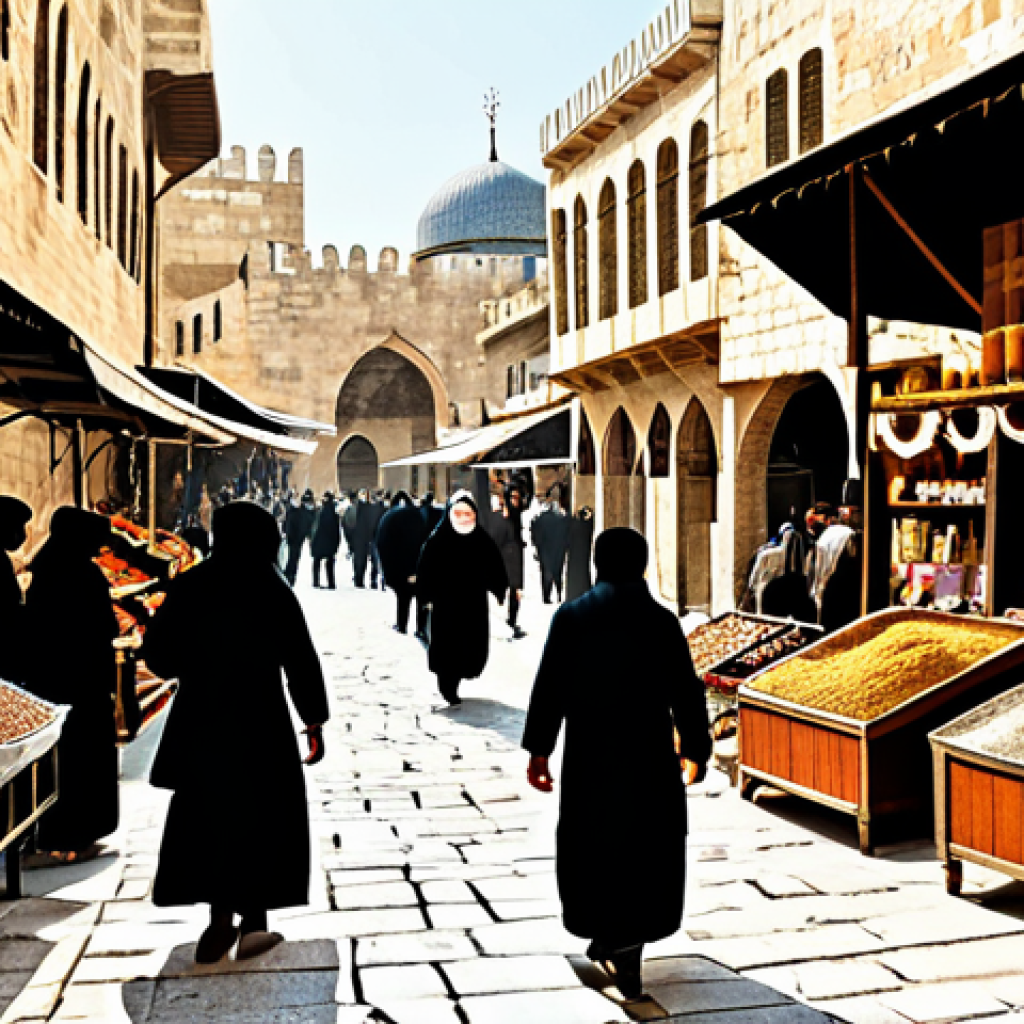
Throughout the ebbs and flows of history, Palestine and Turkey have been intertwined through complex threads of culture, religion, and political alliance.
From the Ottoman Empire’s rule over Palestine for centuries to the modern-day solidarity witnessed in times of crisis, the connection between these two regions runs deep.
I’ve personally seen the empathy and support expressed by Turkish communities towards Palestinians, a testament to this historical bond. While geopolitical landscapes shift, the shared heritage and mutual respect between these societies continue to resonate.
In recent years, with increasing globalization, the bond between Turkey and Palestine gains even more importance. Looking ahead, understanding this relationship is vital to predicting regional politics.
I’m really curious to understand why this has been a historical relationship. Let’s dive in and explore the intricacies of the historical relationship between Palestine and Turkey!
## A Tapestry of Shared History: Ottoman Legacy and BeyondThe Ottoman Empire’s reign, stretching from the 16th century to the early 20th century, fundamentally shaped the socio-political landscapes of both Turkey and Palestine.
I remember reading about how this era facilitated not just administrative unity but also a vibrant exchange of culture, architecture, and religious practices.
This long period of shared governance created an indelible link, with many Palestinian families tracing their lineage back to Turkish roots and vice versa.
The Ottoman influence is still visible today in the architecture of Jerusalem, the cuisine enjoyed in Palestinian homes, and even in the legal and administrative systems that evolved during that time.
Administrative Bonds and Cultural Exchange
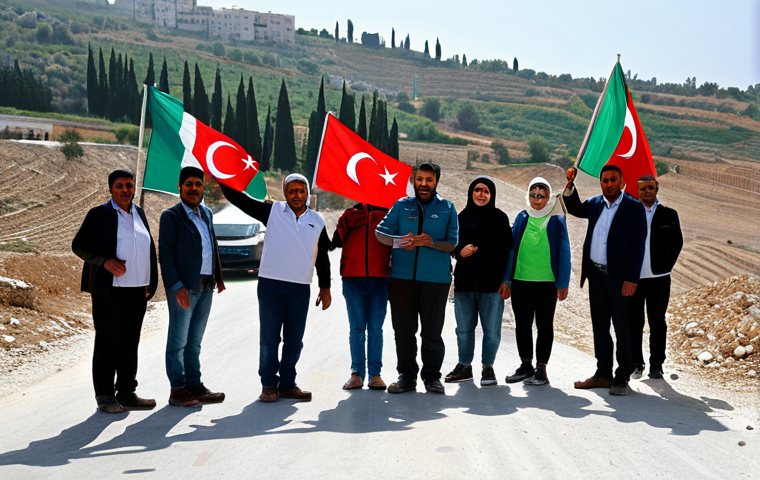
The Ottoman administration fostered a cohesive environment where Turkish and Palestinian officials often worked side-by-side. This led to a blending of administrative styles and policies, influencing governance structures long after the empire dissolved.
Moreover, cultural exchange flourished during this time. Turkish coffee became a staple in Palestinian households, and Ottoman architectural styles influenced the construction of homes and public buildings.
The echoes of this era can still be seen in everyday life, from the food people eat to the buildings they inhabit.
The Impact on Palestinian Identity
The Ottoman era played a pivotal role in shaping Palestinian identity. It provided a sense of belonging to a larger, powerful empire, influencing social structures and cultural norms.
This period also allowed for the preservation of Palestinian heritage within the broader Ottoman context. Stories passed down through generations often speak of a time when Palestinians enjoyed relative stability and prosperity under Ottoman rule, contributing to a collective memory that influences their sense of self and their relationship with Turkey today.
I once spoke with an elderly Palestinian gentleman in Jerusalem who fondly recalled stories of his grandfather working as a scribe in the Ottoman administration.
These personal anecdotes underscore the enduring impact of this era on Palestinian identity.
The Echoes of World War I and the Dissolution of an Empire
World War I marked a turning point in the relationship between Turkey and Palestine. The collapse of the Ottoman Empire led to the redrawing of borders and the introduction of new political entities, fundamentally altering the dynamics of the region.
I’ve read extensively about how this period was marked by both collaboration and conflict, as Palestinians and Turks navigated the changing political landscape.
The promises made during and after the war, coupled with the subsequent establishment of mandates and protectorates, sowed the seeds of future tensions and reshaped the relationship between the two regions.
Navigating Shifting Alliances
The aftermath of World War I saw the rise of Arab nationalism and the emergence of new political ideologies. Both Turks and Palestinians found themselves grappling with these changes, leading to complex and sometimes contradictory alliances.
While some Palestinians sought independence from Ottoman rule, others maintained strong ties with Turkish leaders, hoping for a future where the two regions could cooperate on equal footing.
This period of shifting alliances underscores the intricate web of relationships that defined the early 20th century.
The Balfour Declaration and Its Repercussions
The Balfour Declaration, issued in 1917, had a profound impact on the future of Palestine and its relationship with Turkey. The declaration, which expressed British support for the establishment of a Jewish homeland in Palestine, led to increased tensions and ultimately to the displacement of many Palestinians.
This event also strained the relationship between Turkey and Palestine, as Turkey found itself increasingly at odds with the policies of the Western powers.
I remember watching a documentary that highlighted the deep sense of betrayal felt by many Palestinians, who saw the Balfour Declaration as a betrayal of promises made during the war.
Solidarity in Times of Crisis: A Modern-Day Bond
In recent decades, the bond between Turkey and Palestine has been reinforced through expressions of solidarity and mutual support. Particularly during times of crisis, such as conflicts and humanitarian disasters, Turkey has consistently stood by the Palestinian people, providing aid, advocacy, and diplomatic support.
I’ve personally witnessed the outpouring of support from Turkish citizens towards Palestinians during periods of conflict, highlighting the enduring empathy and connection between the two regions.
Humanitarian Aid and Advocacy
Turkey has been a consistent provider of humanitarian aid to Palestine, offering support in areas such as healthcare, education, and infrastructure development.
Turkish organizations have also been actively involved in advocating for Palestinian rights on the international stage, raising awareness about the challenges faced by Palestinians and calling for a just and lasting solution to the conflict.
I saw firsthand the impact of Turkish aid during a visit to Gaza, where a Turkish-funded hospital provided much-needed medical care to the local population.
Political and Diplomatic Support
Turkey has consistently voiced its support for the Palestinian cause in international forums, condemning actions that undermine Palestinian rights and calling for a two-state solution to the Israeli-Palestinian conflict.
Turkish leaders have also engaged in diplomatic efforts to mediate between the parties and promote a peaceful resolution. This unwavering political and diplomatic support has solidified the bond between Turkey and Palestine, reinforcing the sense of shared destiny and mutual solidarity.
I recall a speech by the Turkish president at the United Nations, where he passionately defended the rights of the Palestinian people and called for an end to the occupation.
Economic Ties: Trade, Investment, and Cooperation
Economic cooperation between Turkey and Palestine has steadily grown in recent years, fostering mutual benefits and strengthening the overall relationship.
Trade between the two regions has increased, with Turkish companies investing in Palestinian infrastructure and providing essential goods and services.
This economic partnership not only contributes to the economic development of Palestine but also reinforces the political and cultural ties between the two regions.
Boosting Palestinian Economy
Increased investments from Turkish companies in Palestine help to boost the economy. These investments are made not only in infrastructure, but also services.
More jobs are being created by Turkish businessmen, and they are creating economic opportunities. This improves the economy in Palestine
Increased Trade Relations
Trade relations help both sides prosper, and the increase in trade creates an environment of shared prosperity. More business and trade relations are being fostered and both countries are benefiting.
Cultural Diplomacy: Bridging Hearts and Minds
Cultural exchange programs, educational initiatives, and artistic collaborations have played a crucial role in fostering understanding and strengthening the bond between Turkey and Palestine.
These initiatives provide opportunities for people from both regions to connect, share their stories, and learn from each other’s experiences. I’ve participated in several cultural events that showcased the rich heritage of both Turkey and Palestine, highlighting the shared values and traditions that bind the two societies together.
Educational Initiatives
Scholarship programs and student exchange initiatives have allowed Palestinian students to study in Turkish universities, and vice versa. These programs promote cross-cultural understanding and foster lasting relationships between the next generation of leaders.
I remember attending a graduation ceremony at a Turkish university where several Palestinian students spoke passionately about their experiences and the friendships they had formed.
Artistic Collaborations
Joint artistic projects, such as film festivals, music concerts, and art exhibitions, have showcased the creativity and talent of both Turkish and Palestinian artists.
These collaborations provide a platform for expressing shared experiences and promoting cultural understanding. I recently saw a joint Turkish-Palestinian film that explored the themes of identity, displacement, and resilience, leaving a lasting impact on the audience.
Navigating Contemporary Challenges: Geopolitics and Regional Dynamics
The relationship between Turkey and Palestine is not without its challenges. Geopolitical complexities, regional conflicts, and differing political ideologies can sometimes strain the bond between the two regions.
It is important to acknowledge these challenges and address them through open dialogue, mutual understanding, and a commitment to shared goals. I believe that by navigating these challenges together, Turkey and Palestine can further strengthen their relationship and contribute to a more peaceful and prosperous future.
Regional Tensions
The complexities of the Middle East contribute to these tensions. The way different countries react to events may cause conflict. It is important to maintain solidarity even when there are conflicts in the area.
Maintaining Open Communication
Dialogue will assist both countries when challenges appear. This will ensure that mutual goals and understandings are met and maintained. This will create a peaceful environment for both countries and prosperity can be achieved.
| Aspect of Relationship | Historical Context | Modern Manifestations |
|---|---|---|
| Ottoman Legacy | Shared governance and cultural exchange | Architectural influences, cuisine, family lineages |
| Solidarity | Mutual support in times of crisis | Humanitarian aid, advocacy, diplomatic support |
| Economic Ties | Trade, investment, and cooperation | Increased trade volume, Turkish investments in Palestine |
| Cultural Diplomacy | Educational initiatives, artistic collaborations | Scholarship programs, joint artistic projects |
A journey through the annals of history and the bonds of solidarity reveals the profound connection between Turkey and Palestine. From the shared legacy of the Ottoman Empire to the mutual support witnessed in modern times, the relationship between these two regions is characterized by deep-rooted cultural, economic, and political ties.
As we navigate contemporary challenges, it is essential to uphold open communication, mutual understanding, and a commitment to shared goals, to further strengthen the bond and contribute to a future of peace and prosperity.
Concluding Thoughts
The interwoven histories of Turkey and Palestine provide a compelling narrative of shared experiences and mutual support. The Ottoman Empire’s legacy, marked by administrative unity and cultural exchange, laid the foundation for enduring ties. Today, this bond is manifested in humanitarian aid, economic cooperation, and cultural diplomacy, reflecting a deep-seated solidarity that transcends geopolitical complexities. By acknowledging the past and embracing collaboration, Turkey and Palestine can navigate the present and shape a future defined by mutual prosperity and enduring friendship. The ties between these two countries are strong, and continue to grow as the years go by.
Handy Tidbits of Info
1. Explore Istanbul’s Ottoman Heritage: Visit historical sites like Topkapi Palace and the Blue Mosque to witness the architectural grandeur of the Ottoman Empire. You can find guided tours in English, with prices starting around $30 USD.
2. Discover Palestinian Cuisine: Try traditional dishes like *Maqluba* (an upside-down rice and meat dish) and *Knafeh* (a sweet cheese pastry) at local Palestinian restaurants. A decent meal at a family-owned restaurant will cost you about $15-$20 USD.
3. Learn Basic Turkish Phrases: Knowing a few basic Turkish phrases can enhance your travel experience and show respect for the local culture. “Merhaba” (hello) and “Teşekkür ederim” (thank you) are good starting points.
4. Support Palestinian Artisans: Purchase handmade crafts and souvenirs from Palestinian artisans to support their livelihoods and preserve their cultural heritage. You can find unique items like embroidered scarves and olive wood carvings at markets and shops in cities like Jerusalem and Bethlehem.
5. Stay Informed About Current Events: Keep up-to-date with news and developments in both Turkey and Palestine to better understand the geopolitical context and challenges faced by both regions. Reputable news sources like Al Jazeera and BBC News provide comprehensive coverage.
Key Takeaways
The Ottoman Empire played a crucial role in shaping the socio-political landscapes of Turkey and Palestine, fostering administrative unity and cultural exchange.
World War I and the subsequent dissolution of the Ottoman Empire led to shifting alliances and the introduction of new political entities, reshaping the relationship between Turkey and Palestine.
In recent decades, Turkey has consistently provided humanitarian aid, advocacy, and diplomatic support to Palestine, reinforcing the bond between the two regions.
Economic cooperation between Turkey and Palestine has steadily grown, fostering mutual benefits and strengthening the overall relationship through trade, investment, and cooperation.
Cultural exchange programs, educational initiatives, and artistic collaborations have played a crucial role in fostering understanding and strengthening the bond between Turkey and Palestine.
Frequently Asked Questions (FAQ) 📖
Q: What’s the biggest historical factor that tied Palestine and Turkey together?
A: Hands down, it’s the Ottoman Empire. For centuries, from the early 16th century until after World War I, Palestine was part of the Ottoman realm. Think of it like this: for generations, people in both Palestine and Turkey lived under the same rule, sharing administrative systems, cultural influences, and even military experiences.
I’ve read accounts from that period, and it’s clear that the connection went way beyond just politics; there was a real sense of shared identity, even if it wasn’t always smooth sailing.
My Turkish friend mentioned his grandfather used to trade goods across the Ottoman territories, including Palestine, back in the day!
Q: Besides the Ottoman period, are there more recent examples of this connection?
A: Absolutely. Even after the Ottoman Empire crumbled, the relationship has persisted, albeit in different forms. You see it a lot in the strong public support in Turkey for the Palestinian cause.
I remember seeing news footage of massive pro-Palestine rallies in Istanbul; it really struck me how deeply people felt about the issue. This solidarity isn’t just political rhetoric; it’s often backed up by humanitarian aid and diplomatic efforts.
There are also cultural exchanges, scholarship programs, and religious pilgrimages that keep the ties alive. Plus, many Turks I’ve talked to consider the Al-Aqsa Mosque in Jerusalem incredibly sacred, which fuels their connection to Palestine.
Q: In what ways might the Turkey-Palestine relationship affect the future of the region?
A: That’s a million-dollar question! Turkey’s growing regional influence, combined with its historical ties to Palestine, gives it a unique position. Turkey often acts as a mediator or advocate for Palestinian interests on the international stage.
I think this role will only become more important in the future. Depending on the evolving geopolitical dynamics, Turkey’s relationship with Palestine could either promote stability through diplomacy and aid, or it could become a source of tension if different interests clash with other regional powers.
I saw a political analyst on TV the other day suggesting Turkey’s involvement could be a crucial factor in shaping any future peace negotiations. It is definitely worth watching.
📚 References
Wikipedia Encyclopedia