Palestinian wedding traditions are a vibrant blend of history, culture, and community spirit that reflect the deep-rooted values of family and heritage.

These celebrations are marked by colorful attire, lively music, and meaningful rituals that have been passed down through generations. Each event is not just a ceremony but a heartfelt gathering that unites loved ones and honors cultural identity.
Exploring these customs reveals how weddings serve as a powerful expression of love and resilience in Palestinian society. Let’s dive deeper and uncover the fascinating details behind these cherished traditions!
Vibrant Attire and Symbolic Embellishments
Traditional Dresses and Color Significance
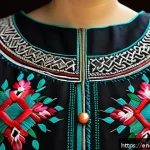
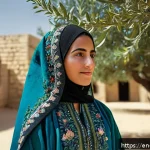
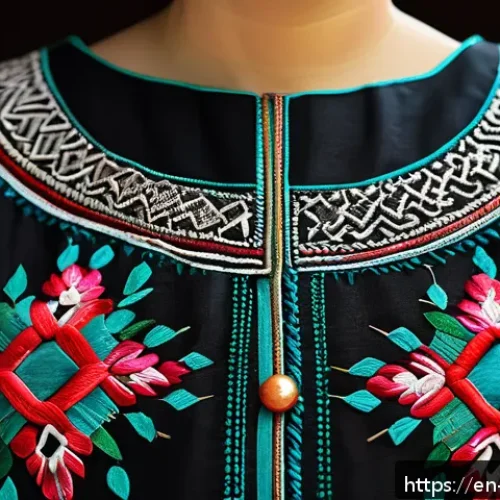
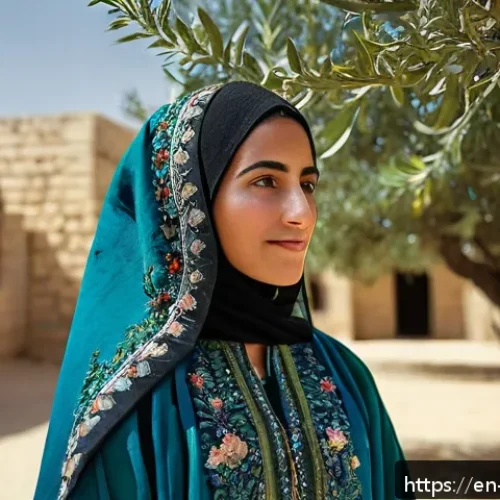
In Palestinian celebrations, the bride’s attire is a stunning visual story, often featuring a richly embroidered dress called a “thobe.” These garments are not just beautiful; each stitch and pattern carries historical and regional significance, passed down from mother to daughter.
The colors range from deep reds to vibrant greens, symbolizing fertility, prosperity, and protection. What I’ve noticed attending a few weddings is how the family’s origins influence the embroidery style—no two thobes look exactly alike.
This personal touch makes the attire a living piece of history and identity, worn proudly on the big day.
Accessories That Tell a Story
Jewelry and headpieces play a crucial role, with gold coins and delicate chains often adorning the bride. These pieces aren’t just for show; they represent wealth, blessings, and the community’s support.
I remember seeing a bride’s elaborate headpiece shimmering under the lights, each coin clinking softly as she moved—adding a magical soundtrack to the celebration.
The groom’s outfit, too, is carefully selected, often featuring a keffiyeh or a tailored suit that blends modern fashion with traditional elements, symbolizing the harmony between past and present.
Family Heirlooms and Their Emotional Value
Beyond the immediate wedding ensemble, families often incorporate heirloom pieces into the celebration. These might be vintage jewelry, embroidered scarves, or even the thobe itself, passed down through generations.
I once spoke with a bride who described wearing her grandmother’s necklace as a way to feel connected to her roots and honor the women who came before her.
These heirlooms add a deeply emotional layer to the festivities, reminding everyone of the unbroken chain of heritage and love.
Rhythms of Celebration: Music and Dance
The Power of Traditional Melodies
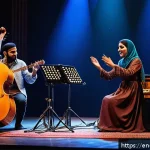
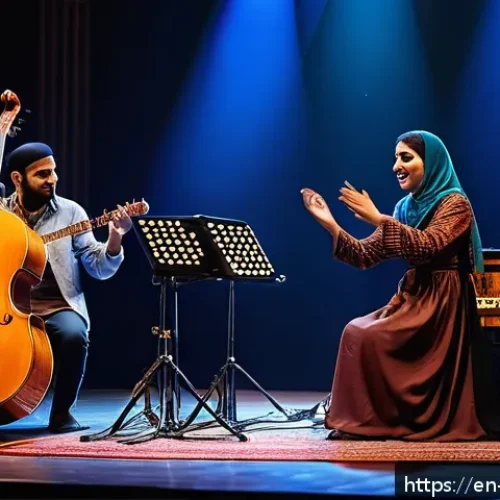
Music in these weddings is more than background noise; it’s a living expression of joy and resilience. The oud, darbuka, and qanun create an intricate soundscape that invites everyone to celebrate.
What struck me was how the music shifts seamlessly from solemn, soulful tunes during the more reflective moments to energetic beats that fill the room with movement and laughter.
These songs often tell stories of love, struggle, and hope, anchoring the event in cultural memory.
Dance as a Collective Expression
Dabke, the traditional Palestinian line dance, is a highlight that brings guests of all ages together. The synchronized stomping and hand-holding create an infectious energy that’s hard to resist.
At one wedding I attended, the dance floor was packed with everyone from toddlers to grandparents, all moving in unison. It’s not just a dance; it’s a communal ritual that strengthens bonds and celebrates unity.
The way the dancers encourage each other, sometimes breaking into solo improvisations, showcases both individuality and collective spirit.
The Role of the Wedding Singer
A wedding singer or “zajal” often commands the crowd’s attention, improvising verses that celebrate the couple and their families. I’ve seen how their playful banter and heartfelt lyrics can instantly lift the atmosphere, making everyone feel part of the story.
Their presence turns the wedding into a dynamic performance, blending poetry with music and engaging the audience in a shared cultural experience.
Meaningful Rituals That Bind Generations
The Henna Night: A Colorful Prelude
The henna night, held a day or two before the wedding, is one of the most intimate and joyous pre-wedding rituals. Women gather to paint intricate henna designs on the bride’s hands and feet, symbolizing beauty, joy, and protection.
I’ve found this event to be a space filled with laughter, storytelling, and emotional bonding, where older women pass down wisdom through songs and advice.
The smell of henna and the sound of traditional songs create an atmosphere that feels both sacred and celebratory.
The Procession and Arrival
On the wedding day, the groom’s arrival to the bride’s home or wedding venue is a carefully choreographed moment filled with fanfare. Family and friends often accompany him with singing and dancing, marking the transition from singlehood to married life.
I’ve noticed how this procession serves as a public declaration of commitment, inviting the community to witness and bless the union. It’s a vibrant, noisy, and joyful introduction that sets the tone for the rest of the celebration.
Exchange of Vows and Blessings
While the formal religious or civil ceremony might be brief, the exchange of vows and blessings carries immense emotional weight. Elders and family members often offer prayers and advice, linking the couple’s future to their ancestors’ legacy.
I’ve seen how these moments, though sometimes quiet, hold a powerful sense of continuity and hope, reminding everyone that marriage is not just a personal milestone but a communal journey.
Feasting and Culinary Traditions
Signature Dishes and Their Significance
No Palestinian wedding is complete without an abundant feast showcasing traditional dishes like maqluba, musakhan, and stuffed grape leaves. These dishes are more than food; they represent hospitality, generosity, and the richness of the land.
I vividly remember savoring the slow-cooked flavors that seemed to tell a story of seasons and soil, each bite connecting me to the region’s agricultural heritage.
The preparation itself is a labor of love, often involving many family members working together.
Sweet Endings: Desserts and Coffee
Desserts such as knafeh and baklava are the perfect sweet finale, paired with strong Arabic coffee or tea. Serving coffee is a ritual of warmth and welcome, and I’ve noticed how the act of pouring and sharing coffee during the wedding symbolizes the invitation to form lasting bonds.
The sweetness of the desserts reflects the hope for a sweet future, leaving guests with a lasting taste of celebration.
Communal Sharing and Generosity
The wedding feast is a communal event where sharing food reinforces social ties. Plates are often passed around, and guests are encouraged to eat heartily as a sign of respect and joy.

From what I’ve experienced, this generosity extends beyond the wedding day, reflecting a culture that values hospitality and collective well-being.
Family Roles and Community Involvement
The Importance of Family Endorsement
In Palestinian weddings, family approval and involvement are crucial. Parents, especially mothers, often oversee many aspects of the planning and rituals, ensuring traditions are honored.
I’ve witnessed how their guidance creates a bridge between generations, blending respect for heritage with the couple’s wishes. This involvement also highlights the collective nature of marriage—not just a union between two people, but between families.
Community Support and Celebration
Beyond immediate family, the wider community plays an active role. Neighbors, friends, and relatives come together to help with preparations, from cooking to decorating.
At one wedding, I was amazed by how everyone pitched in, turning the event into a shared project. This collective effort strengthens social bonds and reflects a culture where celebrations are a communal responsibility and joy.
The Role of Matchmakers and Mediators
Though modern dating has become more common, traditional matchmaking still holds sway in many areas. Matchmakers or family mediators often facilitate introductions and negotiations.
I found that this process adds a layer of respect and intentionality to relationships, reflecting cultural values around marriage as a serious, thoughtful commitment.
Symbolism Embedded in Wedding Customs
The Meaning Behind the Wedding Henna
Henna is more than decorative; it symbolizes protection from evil spirits and brings blessings to the couple. The intricate patterns often include motifs representing fertility and happiness.
I’ve learned from brides that the henna night is seen as a spiritual cleansing, preparing the bride for her new role. This ritual connects the personal with the mystical, imbuing the celebration with deeper meaning.
The Significance of the Wedding Candle
Lighting candles during the ceremony is a common custom symbolizing enlightenment, hope, and the couple’s new life together. I’ve observed that this act is usually accompanied by prayers and wishes, creating a moment of reflection amidst the festivities.
The flickering flame serves as a metaphor for love’s enduring light, guiding the couple through life’s challenges.
Use of Olive Branches and Other Natural Elements
Olive branches and other natural symbols frequently appear in decorations and rituals, representing peace, longevity, and connection to the land. I recall how the presence of these elements during a wedding made the celebration feel rooted in both history and nature, reinforcing the couple’s bond not just to each other but to their heritage and homeland.
Logistics and Modern Adaptations
Venue Choices and Their Cultural Impact
Traditionally, weddings were held at home or in community halls, but modern couples often opt for hotels or event spaces to accommodate larger gatherings.
I’ve noticed that despite the change in venue, couples strive to preserve traditional elements, blending old and new. This balance reflects a desire to honor heritage while embracing contemporary lifestyles, making the event accessible and meaningful for all guests.
Photography and Videography Trends
Capturing the wedding has become an essential part of the celebration. Many couples now hire professional photographers who specialize in documenting cultural rituals authentically.
From my experience, these visuals help preserve memories and share the beauty of Palestinian customs with a broader audience, fostering pride and continuity.
Integrating Technology Without Losing Tradition
Social media and live streaming have introduced new ways to include distant relatives and friends. While some elders may be skeptical, many appreciate the opportunity to witness the event virtually.
I’ve seen how this integration strengthens connections, especially for diaspora families, without compromising the ceremony’s core values.
| Aspect | Traditional Element | Modern Adaptation | Cultural Significance |
|---|---|---|---|
| Attire | Embroidered thobe, gold jewelry | Tailored suits, fusion dresses | Heritage, identity, family pride |
| Music & Dance | Oud, darbuka, dabke dance | Live bands, DJ mixes | Community unity, celebration |
| Rituals | Henna night, candle lighting | Pre-wedding parties, modern vows | Spiritual protection, blessings |
| Food | Traditional dishes, communal feasting | Catered banquets, fusion cuisine | Hospitality, abundance, sharing |
| Family Role | Matchmakers, parental guidance | Couple-led planning | Respect, continuity, support |
In Closing
Palestinian weddings are a vibrant tapestry of tradition, emotion, and community spirit. Each element—from attire to rituals—carries deep cultural meaning and personal significance. Experiencing these celebrations reveals the beauty of honoring heritage while embracing modern life. It’s a joyful reminder of how weddings connect generations and keep cultural stories alive.
Useful Information to Know
1. Traditional Palestinian wedding attire, such as the embroidered thobe, is rich with symbolism and varies by region, making each dress unique and meaningful.
2. Music and dance, especially the dabke, play a central role in fostering unity and lively celebration among guests of all ages.
3. Pre-wedding rituals like the henna night offer intimate moments of bonding and spiritual preparation for the bride and her family.
4. The communal feast is not just about food but also about hospitality, generosity, and reinforcing social connections.
5. Modern adaptations in venue, photography, and technology blend seamlessly with tradition, allowing celebrations to evolve while preserving cultural essence.
Key Takeaways
Palestinian weddings are deeply rooted in family involvement and community support, reflecting values of respect and continuity. Traditional customs such as the henna night, symbolic attire, and communal dances enrich the ceremony with meaning and joy. Despite modern influences, couples maintain a strong connection to heritage, ensuring their celebrations honor both past and present. Ultimately, these weddings are more than events—they are living expressions of identity, love, and cultural pride.
Frequently Asked Questions (FAQ) 📖
Q: What are some key rituals commonly observed in Palestinian weddings?
A: Palestinian weddings often feature several meaningful rituals that showcase the community’s cultural heritage. One of the most prominent is the henna night, usually held a day or two before the wedding, where the bride’s hands and feet are adorned with intricate henna designs symbolizing joy and fertility.
Another important tradition is the zaffeh, a lively procession led by musicians, dancers, and drummers that announces the arrival of the bride and groom.
Throughout the celebrations, traditional songs and dances, such as the dabke, bring everyone together, reinforcing a sense of unity and shared happiness.
Q: How do Palestinian weddings reflect the importance of family and community?
A: Family and community play a central role in Palestinian weddings, often making these events large gatherings with hundreds of guests. These celebrations are a chance for extended families and friends to reconnect and support the couple, reflecting the collective spirit embedded in Palestinian culture.
The preparations and ceremonies involve cooperation among relatives, from cooking traditional dishes to organizing the entertainment. This communal participation not only strengthens family bonds but also serves as a public declaration of cultural identity and pride.
Q: What makes Palestinian wedding attire unique and significant?
A: Palestinian wedding attire is rich in symbolism and regional identity. Brides often wear traditional embroidered dresses known as “thobes,” which feature detailed patterns passed down through generations, each design representing different villages or family histories.
The colors and embroidery styles are carefully chosen to convey blessings and good fortune. Men typically wear formal suits, sometimes complemented by traditional accessories.
Wearing these garments is more than just fashion; it’s a way for couples to honor their heritage and express respect for their ancestors during one of life’s most important milestones.