Traveling to Palestine offers a unique blend of rich history, vibrant culture, and breathtaking landscapes. However, navigating this region requires some extra caution due to its complex political situation and local customs.

Being well-prepared can make your visit not only safer but also more rewarding. From understanding entry regulations to respecting cultural norms, there are key tips every traveler should keep in mind.
If you’re planning a trip here, knowing what to expect will help you enjoy your journey with peace of mind. Let’s dive into the essential precautions you need to take to make the most of your Palestinian adventure!
Understanding Local Customs and Social Etiquette
Respecting Dress Codes and Public Behavior
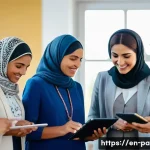
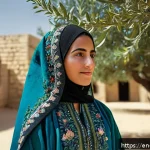
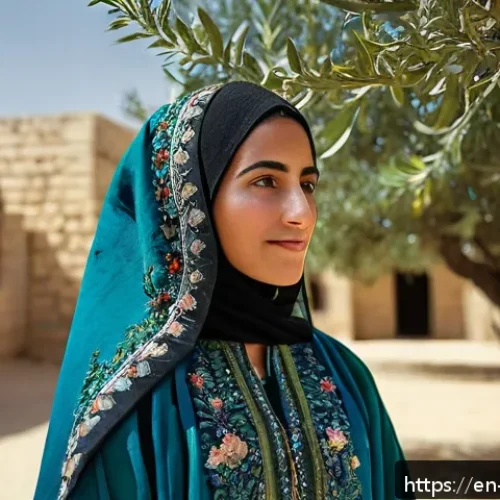
When visiting Palestine, one of the first things I noticed was how important modest dress is, especially in religious and rural areas. Wearing clothes that cover shoulders and knees is not just a suggestion but a sign of respect toward local traditions.
During my trip, I made sure to pack loose, breathable fabrics that helped me stay comfortable while adhering to these norms. Public displays of affection are generally frowned upon, so it’s wise to keep interactions discreet in public spaces.
Observing how locals behave helped me avoid awkward situations and made interactions much smoother.
Understanding Religious Sensitivities
Palestine is home to a diverse mix of religious communities, including Muslims, Christians, and others, each with unique traditions. I quickly learned that being aware of prayer times and religious holidays can enhance your experience.
For example, during Ramadan, eating or drinking in public during daylight hours is considered disrespectful, so it’s better to plan accordingly. Visiting religious sites also requires a calm and respectful demeanor; loud talking or inappropriate behavior can offend.
Taking the time to learn a few basic greetings in Arabic or recognizing respectful gestures shows genuine appreciation and opens doors to heartfelt conversations.
Engaging with Locals and Building Trust
What struck me most was the warmth and hospitality of Palestinian people. They are eager to share stories and invite you into their homes, but building trust takes patience.
I found that initiating conversations with polite questions about their culture or daily life often led to memorable exchanges. Listening more than speaking, showing genuine curiosity, and avoiding sensitive political topics unless brought up by locals helped me form authentic connections.
Remember, kindness and respect go a long way in this close-knit society.
Practical Navigation and Transportation Tips
Using Public Transport and Taxis
Getting around Palestine can be an adventure in itself. Public transportation like minibuses and shared taxis are common and affordable but can feel chaotic if you’re new.
From my experience, it’s essential to confirm your destination clearly before boarding and keep small change ready. Shared taxis, known locally as “service,” often leave only when full, so patience is key.
For longer distances or less accessible areas, private taxis offer a safer and more comfortable option, though fares might be negotiable. Always agree on the price beforehand to avoid misunderstandings.
Road Conditions and Driving Precautions
If you decide to rent a car, be prepared for narrow, sometimes uneven roads, especially outside major cities. Driving habits here can be unpredictable, with sudden stops and overtaking, so staying alert is a must.
I found that sticking to daylight hours for driving improved safety significantly. Also, GPS coverage can be spotty in some remote regions, so having a physical map or offline navigation app proved invaluable.
Parking can be tricky in crowded areas, so allowing extra time to find a spot helped reduce stress.
Border Crossings and Checkpoints
One of the more challenging aspects of traveling in Palestine is dealing with border crossings and military checkpoints. I learned firsthand that patience and politeness are your best tools here.
Document checks can take time, and questions may be detailed, so keeping your paperwork organized is crucial. It’s wise to travel light and avoid carrying anything that could raise suspicion.
While the process can feel intimidating, staying calm and cooperative usually results in smoother passage. Planning your route with up-to-date information on checkpoint statuses saved me from unexpected delays.
Health and Safety Precautions for a Smooth Trip
Accessing Medical Facilities
Healthcare infrastructure varies across Palestine, with better facilities in urban centers like Ramallah or Bethlehem. I always carried a basic first aid kit and any personal medications since pharmacies are not always nearby in rural areas.
For anything serious, private clinics and hospitals offer decent care, but travel insurance with medical coverage is a must. During my visit, I found it helpful to know the location of the nearest hospital and emergency numbers just in case.
Staying hydrated and avoiding street food that seemed questionable helped me steer clear of common travel illnesses.
Staying Informed About Security Updates
The political situation in Palestine can change rapidly, so keeping abreast of local news and travel advisories is essential. I used reliable news apps and connected with local contacts to get real-time updates.
It’s also a good idea to register with your embassy upon arrival. Avoiding demonstrations or large gatherings is a practical safety measure, as these events can escalate unpredictably.
Trusting your instincts and erring on the side of caution helped me navigate the region with confidence.
Personal Safety Tips
Walking alone at night is generally discouraged, especially in less populated areas. I found that traveling in groups or with a local guide added a layer of security and enriched the experience with insider knowledge.
Keeping valuables secure and being discreet with electronics and expensive gear prevented unwanted attention. I also carried a copy of my passport and important documents separately from the originals.
Simple habits like staying aware of your surroundings and having a local SIM card for communication made a big difference in feeling safe.
Money Matters and Currency Use
Understanding the Local Currency and Payment Methods

The Israeli shekel (ILS) is widely used in Palestine alongside the Jordanian dinar in some areas, which can be confusing initially. When I first arrived, I exchanged some currency at official exchange offices rather than informal spots to avoid scams.
Cash is king in most places, especially markets and small shops, so carrying enough notes is important. Credit cards are accepted in bigger hotels and restaurants, but don’t rely on them exclusively.
Having a mix of cash and cards gave me flexibility and peace of mind.
Bargaining and Shopping Tips
Shopping in local souks (markets) is a highlight, but it comes with the art of bargaining. I discovered that starting with a price about half of the initial offer and negotiating politely often resulted in fair deals.
Sellers expect some haggling, so don’t be shy to engage, but always keep a friendly tone. Knowing a few Arabic phrases for numbers helped me a lot here.
Remember, the goal is to find a win-win price; pushing too hard can spoil the interaction. Also, keep an eye on your belongings in crowded areas to avoid pickpocketing.
Typical Costs and Budget Planning
Palestine is surprisingly affordable compared to many tourist destinations, but costs vary widely depending on where you stay and what activities you choose.
To help you get a clearer picture, here’s a breakdown of typical expenses I encountered during my trip:
| Expense Category | Typical Cost Range (USD) | Notes |
|---|---|---|
| Accommodation (per night) | 20 – 80 | Budget guesthouses to mid-range hotels |
| Local Meals | 3 – 10 | Street food and casual restaurants |
| Transportation (shared taxi/minibus) | 1 – 5 | Short to medium distances |
| Private Taxi Ride | 10 – 40 | Depends on distance and negotiation |
| Entrance Fees to Sites | 2 – 10 | Historical and cultural attractions |
Planning a daily budget of around $30-$50 allowed me to enjoy comfortable lodging, meals, and transport without stress. Of course, splurging on guided tours or souvenirs will push the budget up, but overall, Palestine offers good value.
Connectivity and Communication Essentials
Getting a Local SIM Card
Staying connected is crucial, and I found that buying a local SIM card upon arrival was the easiest way to have reliable internet access. Providers like Jawwal and Wataniya offer good coverage in most cities and towns.
The process was straightforward with a passport, and plans are reasonably priced. Having data on my phone helped with navigation, translation apps, and staying in touch with hosts or guides.
I also recommend downloading offline maps beforehand, as signal strength can drop in rural or hilly areas.
Language Tips for Better Interaction
Arabic is the primary language, but many Palestinians speak English, especially in urban and tourist areas. I noticed that even basic Arabic greetings and phrases like “Shukran” (thank you) or “Salam” (hello) were warmly received and often broke the ice.
Using translation apps was helpful but nothing beats trying to communicate directly. Being patient and smiling goes a long way when language barriers arise.
Locals appreciate the effort and often respond with kindness and helpfulness.
Useful Apps and Resources
During my trip, several apps became indispensable. Google Maps helped with directions, but I also relied on maps.me for offline navigation. WhatsApp was the main communication tool used by locals, so it’s a good idea to have it installed.
For cultural insights and safety updates, news apps covering the region kept me informed. Additionally, apps for currency conversion and prayer times helped me stay in tune with the local rhythm.
Having these tools at hand made the experience smoother and more enjoyable.
Closing Thoughts
Traveling through Palestine offers a rich tapestry of cultural experiences, warm hospitality, and meaningful connections. By respecting local customs and staying mindful of practical tips, your journey will be both enjoyable and safe. Embracing the local way of life not only enriches your visit but also fosters genuine understanding. Every moment spent here is a chance to learn and grow in unexpected ways.
Helpful Information to Keep in Mind
1. Dress modestly and be aware of cultural norms to show respect and avoid misunderstandings.
2. Use public transport with patience, and always agree on taxi fares beforehand to ensure smooth travel.
3. Stay informed about security updates and avoid risky areas or large gatherings for personal safety.
4. Carry a mix of cash and cards, and practice polite bargaining when shopping in local markets.
5. Get a local SIM card for reliable communication and download essential apps for navigation and cultural insights.
Key Takeaways for a Successful Trip
Understanding and respecting local customs, including dress codes and religious practices, is essential for building trust and enjoying authentic interactions. Navigating transportation requires patience and preparation, especially at checkpoints and with road conditions. Prioritizing health and safety by knowing medical resources and staying updated on security ensures peace of mind. Managing money wisely with awareness of currency use and bargaining etiquette helps stretch your budget. Lastly, staying connected through a local SIM and useful apps enhances convenience and enriches your travel experience in Palestine.
Frequently Asked Questions (FAQ) 📖
Q: Is it safe to travel to Palestine given the political situation?
A: Traveling to Palestine can be safe if you take the right precautions. From my experience and what many travelers share, staying updated on local news and avoiding areas with recent conflicts is crucial.
It’s also wise to register with your embassy and follow advice from local guides who understand the on-ground realities. While some regions might feel tense, many visitors find the people warm and welcoming, and with proper planning, you can enjoy a meaningful and safe trip.
Q: What are the entry requirements for visiting Palestine?
A: Entry into Palestine is typically through Israel, as there are no international airports within Palestine itself. Visitors usually arrive via Ben Gurion Airport in Tel Aviv and then cross into Palestinian territories through checkpoints.
Make sure your passport is valid, and be prepared for security checks at the border. It’s important to note that visa policies can vary depending on your nationality, so checking with your embassy or official sources before traveling is essential to avoid surprises.
Q: How should I respect local customs and culture while visiting?
A: Respecting local customs goes a long way in making your trip smooth and enjoyable. Dress modestly, especially when visiting religious sites, and be mindful of gender norms and social behaviors.
Palestinians are known for their hospitality, so accepting invitations and engaging politely will enrich your experience. Avoid political discussions unless you’re with trusted locals, and always ask permission before taking photos of people or sensitive areas.
I found that showing genuine interest and respect opens doors to meaningful connections.