Exploring 7 Key Factors Shaping Palestine’s Unique Economic Landscape

webmaster

팔레스타인 경제 구조 - A vibrant rural Palestinian olive farm landscape during harvest season, showcasing local farmers—men...

The Palestinian economy is a complex and resilient system shaped by unique political and social challenges. Despite limited natural resources and ongoing conflicts, various sectors like agriculture, manufacturing, and services continue to play vital roles.

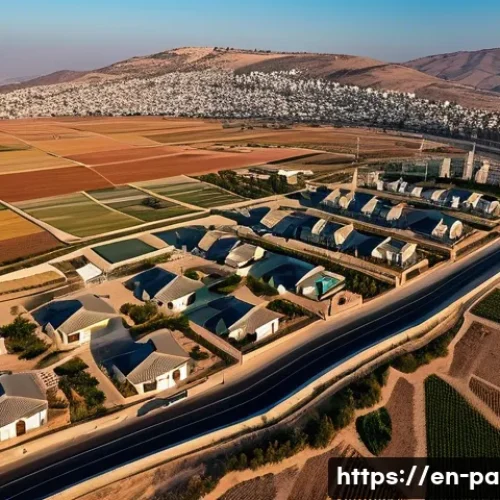
팔레스타인 경제 구조 관련 이미지 1

International aid and remittances also significantly influence economic stability. Exploring how these elements interact offers a fascinating glimpse into the region’s economic fabric.

Let’s dive deeper to understand the structure and dynamics of Palestine’s economy in detail!

Unpacking Key Economic Drivers Amidst Constraints

Agricultural Roots and Their Evolving Role

Agriculture in Palestine remains a cornerstone despite facing numerous obstacles such as limited arable land, water scarcity, and restrictions on movement.

Olive cultivation, in particular, stands out not only as a cultural symbol but also as a significant source of income for many rural families. From my visits to the West Bank, I noticed local farmers adapting by employing innovative irrigation techniques and shifting towards higher-value crops like herbs and fruits that can thrive under challenging conditions.

This sector’s resilience is impressive, especially when you consider how much it relies on seasonal cycles and unpredictable political dynamics that often disrupt supply chains.

Manufacturing: A Sector Striving for Stability

Manufacturing in Palestine tends to be small and medium-sized enterprises focusing on textiles, food processing, and construction materials. These industries often struggle due to limited access to raw materials and export barriers, yet they persist with remarkable tenacity.

From firsthand conversations with factory owners, it’s clear that many rely heavily on family labor and informal networks to keep production going. Despite these challenges, some manufacturers have successfully tapped into niche markets, both locally and internationally, by emphasizing traditional craftsmanship and organic products.

The sector’s survival is a testament to entrepreneurial spirit in the face of adversity.

Service Industry Growth and Diversification

The service sector, including education, healthcare, and information technology, has witnessed notable expansion over the last decade. I’ve observed an increasing number of tech startups in cities like Ramallah, which points to a growing digital economy despite infrastructural constraints.

Tourism, though fluctuating with political stability, also contributes significantly during peaceful periods, especially through cultural heritage sites.

Service industries benefit from a youthful population eager to engage in new economic activities, and international partnerships often provide necessary training and resources.

This sector’s flexibility helps buffer the overall economy against shocks.

Advertisement

Impact of External Financial Flows on Economic Stability

International Aid: Lifeline and Dependency

International aid has long played a pivotal role in Palestine’s economy, often acting as a financial lifeline for public services and infrastructure projects.

From my observations working with local NGOs, these funds help sustain essential sectors like health and education but also create dependency risks. Aid fluctuations linked to political changes abroad can cause sudden budget shortfalls, forcing local authorities to adjust rapidly.

However, aid also enables capacity building and fosters resilience when aligned with community priorities rather than imposed agendas. Balancing aid effectiveness with economic independence remains a delicate challenge.

Remittances: The Unsung Economic Pillar

Palestinian expatriates contribute substantially through remittances, which support countless households by supplementing income and financing education or healthcare.

I’ve met families whose livelihoods hinge on these funds, especially in Gaza where economic opportunities are scarcer. Remittances also stabilize consumer demand and provide a buffer against inflation or job losses.

This inflow, however, is vulnerable to global economic shifts and immigration policies in host countries. Strengthening channels for secure and affordable money transfers could further enhance their positive impact on the local economy.

Trade Restrictions and Economic Isolation

Trade barriers imposed by political conditions significantly restrict Palestine’s ability to fully engage with global markets. Checkpoints, customs delays, and import-export limitations often inflate costs and reduce competitiveness.

From my experience, businesses frequently navigate complex bureaucratic hurdles to access raw materials or export finished goods, which can stifle growth and innovation.

These restrictions also affect supply chains, causing delays that ripple through multiple sectors. Despite these hardships, Palestinian entrepreneurs find creative ways to maintain trade flows, such as leveraging informal networks and regional partnerships.

Advertisement

Labor Market Dynamics and Workforce Challenges

Youth Unemployment and Skills Mismatch

One of the most pressing issues in Palestine’s economy is the high rate of youth unemployment, which often exceeds 30%. From personal interviews with young job seekers, many express frustration over limited opportunities and the gap between education and market needs.

The public sector remains a major employer, but its capacity is insufficient to absorb the growing workforce. Vocational training programs and entrepreneurial initiatives are emerging to address this mismatch, yet scaling these solutions requires sustained investment and political stability.

The energy and creativity of Palestinian youth hold immense potential if effectively harnessed.

Gender Disparities in Employment

Women’s participation in the workforce is notably lower compared to men, influenced by cultural norms, security concerns, and limited childcare options.

I have witnessed women entrepreneurs breaking barriers by starting small businesses, often from home, but societal constraints still limit broader inclusion.

Efforts by NGOs and international donors to promote female employment and leadership are gradually shifting perceptions, especially in urban centers. Empowering women economically not only benefits families but also contributes to overall economic resilience.

Addressing gender gaps remains essential for inclusive growth.

Informal Economy and Its Role

A significant portion of employment occurs in the informal sector, encompassing everything from street vending to unregistered small enterprises. While this provides vital income for many, it also means workers lack social protections and face income instability.

I’ve spoken with numerous informal workers who juggle multiple jobs to sustain their families, highlighting both their resourcefulness and vulnerability.

Formalizing parts of this sector could improve labor rights and increase tax revenues, but it requires trust-building between authorities and communities.

The informal economy is a double-edged sword—essential yet precarious.

Advertisement

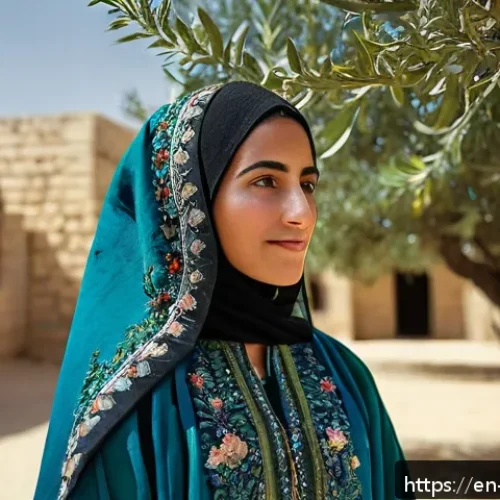
팔레스타인 경제 구조 관련 이미지 2

Infrastructure Limitations and Economic Growth

Energy and Water Scarcity

Reliable access to energy and water is critical for economic development, yet Palestine faces chronic shortages exacerbated by geopolitical factors. During visits to various towns, I noticed frequent power outages and water rationing that disrupt both households and businesses.

Many enterprises invest in private generators or water tanks to cope, which increases operational costs. Renewable energy projects are gaining traction as sustainable alternatives, supported by international donors.

Improving infrastructure in these areas is vital to unlocking productivity and attracting investment.

Transportation and Connectivity Challenges

Movement restrictions and fragmented road networks limit internal trade and access to external markets. For example, traveling between Gaza and the West Bank involves significant delays and permits, complicating business logistics.

I’ve accompanied merchants who spend hours at checkpoints, illustrating how these barriers hinder timely deliveries and increase expenses. Enhancing transportation infrastructure and easing restrictions would facilitate commerce and regional integration.

Digital connectivity improvements also offer promising avenues for economic participation despite physical constraints.

Housing and Urban Development

Rapid population growth and urbanization put pressure on housing availability and quality. Informal settlements and overcrowding are common in many areas, impacting living standards and labor productivity.

I’ve observed grassroots initiatives promoting affordable housing solutions and sustainable urban planning, often collaborating with local authorities.

Addressing these challenges is critical for social stability and economic vitality, as adequate housing supports workforce health and mobility. Investments in this sector could generate employment while improving community resilience.

Advertisement

Emerging Opportunities and Future Outlook

Technology and Innovation Hubs

Despite many hurdles, Palestine’s tech scene shows encouraging signs of growth. Startups focusing on software development, e-commerce, and digital services are sprouting, often supported by incubators and international partnerships.

I’ve met young entrepreneurs passionate about leveraging technology to overcome traditional barriers, such as remote work platforms connecting talent globally.

This sector represents a promising avenue for economic diversification and youth employment. Continued support in infrastructure, education, and funding is essential to sustain this momentum.

Renewable Energy Potential

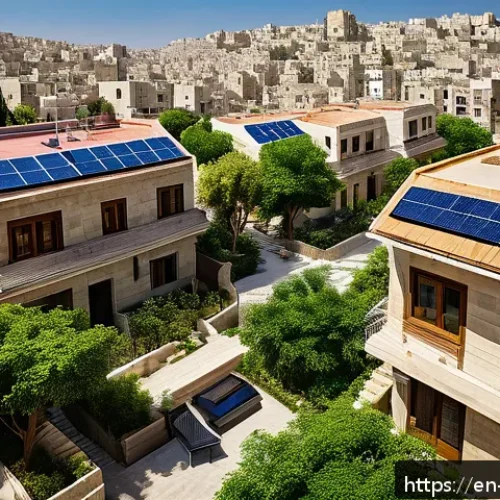
Given the energy challenges, renewable sources like solar and wind power hold significant promise. Pilot projects I’ve visited demonstrate how decentralized solar installations can improve energy access for households and small businesses.

Expanding these initiatives could reduce dependence on costly imports and enhance environmental sustainability. International climate finance and technical assistance play crucial roles in scaling up renewable energy adoption.

This transition aligns with global trends and could position Palestine as a regional leader in clean energy solutions.

Regional and International Trade Integration

Efforts to strengthen trade ties with neighboring countries and beyond could provide new growth avenues. I’ve observed increasing interest in joint ventures and export partnerships that navigate existing political constraints creatively.

Leveraging free trade agreements and participating in regional economic forums may open markets for Palestinian goods and services. Such integration requires diplomatic progress and infrastructure investments but could significantly boost competitiveness and economic resilience.

Building these bridges is a vital part of long-term economic strategy.

Sector Key Features Challenges Opportunities
Agriculture Olive farming, fruit cultivation, innovative irrigation Water scarcity, land restrictions, supply chain disruptions High-value crops, export potential, organic farming
Manufacturing Textiles, food processing, family-run SMEs Raw material access, export barriers, informal labor Niche markets, traditional crafts, organic products
Services Education, healthcare, IT startups, tourism Infrastructure limits, political instability Digital economy growth, cultural tourism, youth engagement
External Finance International aid, remittances Dependency risks, fluctuating inflows Capacity building, economic buffering
Labor Market Youth workforce, gender gap, informal sector Unemployment, skills mismatch, social protections Vocational training, female empowerment, formalization
Infrastructure Energy, water, transportation, housing Resource shortages, movement restrictions, overcrowding Renewables, connectivity, urban planning
Advertisement

Conclusion

Palestine’s economy is shaped by resilience amid significant challenges, from agricultural constraints to trade restrictions. The adaptability of its people, especially in emerging sectors like technology and renewable energy, offers hope for sustainable growth. While external support remains crucial, empowering local innovation and addressing structural issues can pave the way for a more stable and inclusive economic future.

Advertisement

Useful Information to Know

1. Agriculture continues to be a vital sector, with olive farming symbolizing both cultural heritage and economic sustenance.

2. Small and medium-sized manufacturing enterprises rely heavily on family labor and niche markets to survive export and resource barriers.

3. The service industry, particularly tech startups and tourism, is expanding despite infrastructural and political hurdles.

4. International aid and remittances play key roles in supporting households and public services but come with dependency risks.

5. Youth unemployment and gender disparities remain critical challenges, underscoring the need for targeted vocational training and empowerment initiatives.

Advertisement

Key Takeaways

Palestine’s economic landscape is marked by a blend of persistent obstacles and emerging opportunities. Addressing infrastructure deficiencies, enhancing workforce skills, and fostering innovation are essential for long-term growth. Strengthening trade relations and reducing dependency on external aid will improve resilience. Finally, inclusive policies that promote gender equality and formalize informal sectors are vital to unlocking the full potential of the economy.

Frequently Asked Questions (FAQ) 📖

Q: How does the ongoing political conflict affect Palestine’s economic development?

A: The political situation deeply impacts economic growth by restricting movement, limiting access to resources, and creating uncertainty for businesses and investors.
Checkpoints and border controls slow down trade and increase costs, while the instability discourages long-term investments. Despite these hurdles, many entrepreneurs and workers persist, showing remarkable resilience in keeping various sectors alive.

Q: What role does international aid play in supporting the Palestinian economy?

A: International aid is a crucial lifeline for Palestine’s economy, providing funding for infrastructure, healthcare, education, and humanitarian needs. It helps stabilize the economy by supplementing government budgets and supporting social services.
However, reliance on aid can also create challenges for sustainable growth, as it may reduce incentives for self-sufficiency and economic diversification.

Q: Which sectors are the main drivers of Palestine’s economy, and why?

A: Agriculture, manufacturing, and services are key pillars. Agriculture remains vital due to historical roots and local demand, though it faces challenges like water scarcity.
Manufacturing, including textiles and food processing, provides employment and export opportunities. The service sector, especially telecommunications and finance, is growing and increasingly important as it adapts to modern needs despite infrastructural constraints.
Together, these sectors create a diverse yet fragile economic landscape.

📚 References


➤ Link

– Google Search

➤ Link

– Bing Search

➤ Link

– Google Search

➤ Link

– Bing Search

➤ Link

– Google Search

➤ Link

– Bing Search

➤ Link

– Google Search

➤ Link

– Bing Search

➤ Link

– Google Search

➤ Link

– Bing Search

➤ Link

– Google Search

➤ Link

– Bing Search
Advertisement