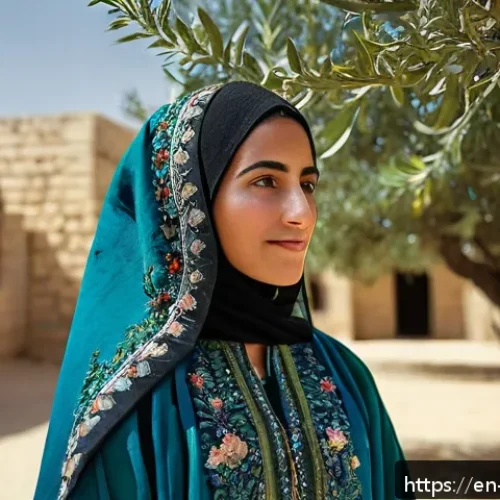
Journey Through Time Exploring the Enduring Legacy of Palestine and the Jordan River

webmaster

팔레스타인과 요르단강의 역사적 의미 - **Ancient Crossroads Marketplace:** A bustling ancient marketplace set at the confluence of Roman, G...

Have you ever found yourself drawn to places that just *exude* history, where every stone seems to whisper tales of civilizations long past? I certainly have, and few places capture that feeling quite like the ancient lands encompassing Palestine and the Jordan River.

From what I’ve observed in my years of diving deep into historical narratives and current affairs, this region isn’t just a geographical location; it’s a living testament to humanity’s most profound spiritual journeys, its enduring conflicts, and the very foundations of several global cultures.

Imagine walking where prophets once trod, where empires rose and fell, leaving behind a mosaic of traditions, beliefs, and an unyielding spirit. The historical tapestry of Palestine, for example, is woven with threads of countless civilizations—Assyrians, Babylonians, Greeks, Romans, Ottomans—all leaving their indelible mark on a land sacred to Jews, Christians, and Muslims alike.

Then there’s the Jordan River, a waterway whose importance transcends its physical flow. It’s not just a crucial source of life in an arid region, but a symbol of immense biblical significance, marking the Israelites’ entry into the Promised Land and the very site of Jesus’ baptism.

But here’s the thing that truly fascinates me: this isn’t merely dusty history confined to textbooks. The echoes of these ancient stories, the geopolitical fault lines, and even the vital struggle for precious resources like water continue to shape headlines and human lives *today*.

Understanding this deep-rooted past is absolutely essential to grasping the complexities and ongoing dialogues that define this powerful region in our modern world.

It’s a journey into the heart of enduring human questions. Ready to uncover the layers of this fascinating story? Let’s dive right in and explore the incredible historical significance of Palestine and the Jordan River.

A Land Etched in Time: Where Civilizations Converged

팔레스타인과 요르단강의 역사적 의미 - **Ancient Crossroads Marketplace:** A bustling ancient marketplace set at the confluence of Roman, G...

Stepping into this incredible corner of the world, whether through books or, if you’re lucky, in person, you quickly realize it’s more than just geography; it’s a living archive of human civilization. I’ve spent countless hours poring over maps and historical texts, and honestly, the sheer density of history here is mind-boggling. We’re talking about a place that’s seen empires rise and fall like tides, each leaving an indelible mark. From the earliest human settlements to the grand designs of empires like the Egyptians, Assyrians, Babylonians, Persians, and then the Greeks and Romans, this land has consistently been a vital crossroads. It’s truly a testament to human resilience and adaptation, a place where people learned to thrive in challenging environments, innovate, and build societies that shaped the future. Imagine the conversations, the trade, the clash of ideas and cultures that must have transpired here over millennia! It gives me goosebumps just thinking about it, knowing that beneath our modern footsteps lie layers upon layers of stories waiting to be unearthed. It’s a journey not just through time, but into the very heart of human ingenuity and struggle, a story that profoundly impacts how we understand our interconnected world today, demonstrating how past events ripple through generations and continue to influence our present narratives and geopolitical landscapes.

The Crossroads of Ancient Empires

What truly blows my mind about this region is how it consistently drew the attention of the era’s superpowers. It wasn’t just some remote outpost; it was *the* bridge between continents – Africa, Asia, and Europe. This strategic location meant that whoever controlled these lands held immense power over trade routes, resources, and even the spread of ideas. I can almost picture the caravans laden with spices, silks, and precious metals making their way through, guarded by soldiers from a dozen different realms. Each conqueror brought their own language, gods, architectural styles, and legal systems, creating a breathtaking cultural mosaic. It’s like a geological core sample, but for human history, where every layer tells a different story of dominance, assimilation, and resistance. This relentless ebb and flow of power wasn’t just about military might; it was about the very fabric of identity being reshaped and redefined with each passing era, influencing everything from daily customs to grand narratives that still resonate. This constant shifting of allegiances and boundaries has created a unique cultural resilience, where ancient traditions blend with newer influences, forming a vibrant, complex identity that is truly fascinating to behold.

Cultural Blending and Enduring Legacies

And it wasn’t just about conquest, you know? While empires fought, people lived. They traded, they married across cultural lines, they adopted new technologies and beliefs. This meant a constant, organic blending of traditions that few other places on Earth can boast. When the Greeks arrived, they didn’t just impose their Hellenistic culture; it mingled with local customs, creating something new and vibrant. The same happened with the Romans, and later the Islamic caliphates and the Ottomans. Each era added another brushstroke to the cultural canvas, resulting in an incredibly rich heritage that we still see today in everything from cuisine to architecture, and even in the subtle nuances of local dialects. I’ve always felt that the most beautiful things in life come from such fusions, and this region is a living testament to that. It’s a testament to how human spirit finds ways to persist, adapt, and even flourish amidst continuous change, holding onto its core while embracing the new. This intricate dance between preservation and innovation has produced a truly unique cultural identity, a rich tapestry woven from countless threads of history, making every interaction and observation a lesson in enduring heritage.

The Jordan River: More Than Just Water

When I think about the Jordan River, I don’t just see a waterway on a map; I feel the weight of centuries of spiritual and historical significance. It’s one of those geographical features that transcends its physical form, becoming a character in humanity’s grand narrative. For anyone who’s ever delved into the texts of Judaism, Christianity, or Islam, the Jordan isn’t just a river; it’s practically a sacred entity. I remember reading about it as a kid and being fascinated by how something so seemingly ordinary could hold such immense power in people’s hearts and minds. It’s a critical lifeline in a parched land, yes, but its true power lies in the stories it carries, stories of faith, promise, and profound personal transformation. The very mention of its name evokes images of ancient rituals, momentous journeys, and divine interventions, deeply embedding it within the collective consciousness of billions of people across the globe. This river, therefore, isn’t just about its flow, but about its enduring symbolic journey through the annals of human spirituality and belief, serving as a constant reminder of shared heritage and the origins of profound religious narratives that continue to shape our world. Its continued presence today, despite geopolitical tensions and environmental challenges, underscores its unchanging role as a focal point for understanding both history and contemporary issues in the region.

A Lifeline in Arid Lands

Let’s be real, beyond the spiritual, the Jordan River is – and always has been – an absolute necessity for life in this often-arid region. For thousands of years, its waters have irrigated fields, sustained communities, and fueled urban development. I’ve always been amazed by how early civilizations managed to thrive in such environments, and the Jordan River was undoubtedly a crucial factor. It’s not just about drinking water; it’s about agriculture, about sustaining entire populations, and about the very possibility of settled life. The control and management of its waters have been a source of cooperation and, sadly, conflict throughout history, and that continues to this very day. When I consider the incredible effort that must have gone into building irrigation systems and managing this precious resource in ancient times, it gives me a profound appreciation for the ingenuity of those who came before us. It’s a stark reminder that some challenges, like securing vital resources, are timeless and continue to shape human interaction and geopolitical dynamics, impacting everything from daily life to international relations. The river serves as a powerful symbol of both life and the persistent struggle to maintain it in a resource-scarce environment, highlighting how profoundly geography can dictate destiny.

Sacred Waters: Baptism and Promise

But then there’s the spiritual aspect, which, for many, is the river’s defining feature. For me, personally, it’s hard to imagine the biblical narratives without the Jordan River playing such a central role. It’s where the Israelites, led by Joshua, entered the Promised Land after their long journey, a moment of profound hope and new beginnings. And then, of course, for Christians, it’s the site of Jesus’ baptism by John the Baptist, an event that marks a pivotal moment in Christian theology. When I think of these stories, the river transforms from a mere geographical feature into a living symbol of renewal, purification, and divine promise. People still travel from all corners of the globe to visit its banks, seeking to connect with these ancient narratives, to touch the waters where such transformative events are believed to have taken place. It’s a truly moving experience to witness that faith, that deep connection to a physical place imbued with such powerful spiritual meaning. This enduring allure speaks volumes about the human need for sacred spaces and stories that connect us to something larger than ourselves, bridging millennia of belief and drawing diverse communities together in shared reverence.

Advertisement

Ancient Roots, Modern Echoes: The Geopolitical Dance

It’s fascinating how the ancient world’s complexities continue to ripple through our modern headlines. I’ve often found myself connecting current events in this region back to historical precedents, and it’s almost uncanny how some patterns persist. This isn’t just about dusty history confined to textbooks; it’s a living, breathing geopolitical saga. The strategic importance that drew empires millennia ago still holds true today, albeit with different players and technologies. Understanding the deep-rooted historical narratives, the territorial claims, and the spiritual significance attached to various sites is absolutely crucial to grasping the complexities of today’s conflicts and peace efforts. It’s like trying to understand a complex tapestry without knowing the initial threads that were woven together; you just can’t get the full picture. The region’s past isn’t merely prologue; it’s an active participant in shaping its present and future, constantly influencing diplomatic discussions, national identities, and even individual perspectives. This continuous interplay between ancient grievances and modern aspirations creates a unique environment where every policy decision and every negotiation is weighted with the cumulative legacy of generations. Honestly, it makes me feel like a detective trying to piece together a centuries-old mystery that’s still unfolding before our eyes.

Lingering Shadows of Imperial Rule

When you look at the political landscape of Palestine and the wider region today, you can’t help but see the long shadows cast by centuries of imperial rule. Every major power that swept through – from the Romans to the Ottomans, and later the European mandates – left behind a legacy that shaped borders, demographics, legal systems, and cultural identities. I often ponder how different things might be if certain historical decisions had gone another way. The Sykes-Picot Agreement, for instance, an agreement from World War I, carved up the Ottoman Empire’s territories, and its impact is still felt profoundly today in the artificial borders and lingering divisions that complicate relations between nations and peoples. These imposed divisions, often disregarding ethnic and religious realities on the ground, laid the groundwork for many of the challenges we see today. It’s a sobering reminder that historical actions, even those taken in far-off chancellories, have profound and lasting consequences for generations, affecting everything from access to resources to fundamental rights. The collective memory of these historical impositions, particularly the feeling of having one’s destiny dictated by external powers, deeply influences contemporary nationalist movements and the persistent pursuit of self-determination.

The Scramble for Resources: Water and Land

Beyond the grand narratives of empires and faiths, there’s a very tangible, very immediate struggle that has roots deeply embedded in history: the scramble for vital resources, especially water and land. In a region where water is scarce and fertile land is precious, control over these elements has always been a source of intense competition. The Jordan River, as we discussed, is not just sacred; it’s a critical source of life. I’ve seen reports discussing how ancient water systems, some dating back millennia, are still studied today for their ingenious solutions to water scarcity. But with modern populations and changing climates, the pressures on these resources are immense. This fundamental need fuels many of the contemporary tensions, as access to water and control over land are inextricably linked to survival, economic viability, and national security. It’s a brutal reminder that beneath the ideological and political disputes, there are fundamental human needs at play, driving some of the most enduring and difficult conflicts. This constant interplay between human survival and the politics of resource allocation ensures that the struggle for water and land remains a defining feature of the region, echoing ancient conflicts with modern urgency.

Period/Empire Key Characteristics/Impact Duration (Approx.)
Early Canaanite Settlements Development of urban centers, early agriculture, religious practices ~3000 BCE – 1200 BCE
Israelite Kingdoms Rise of monotheism, establishment of Jerusalem, prophetic traditions ~1000 BCE – 586 BCE
Roman Rule Infrastructure development, taxation, major revolts, spread of early Christianity 63 BCE – 390 CE
Byzantine Era Christian pilgrimage, construction of churches, theological developments 390 CE – 638 CE
Early Islamic Caliphates Introduction of Islam, Arabic language, Islamic architecture 638 CE – 1099 CE
Ottoman Empire Centralized administration, local autonomy, emergence of modern national identities 1517 CE – 1917 CE

The Enduring Tapestry of Faiths: A Spiritual Nexus

If there’s one thing that truly defines this land, it’s its unparalleled significance as a spiritual nexus for billions across the globe. I’ve always been captivated by places where the sacred and the earthly converge, and this region is perhaps the ultimate example. It’s a place where the foundational stories of Judaism, Christianity, and Islam aren’t just told; they’re *lived*. I find it utterly profound how these three great monotheistic traditions, with their distinct narratives and rituals, all find their deepest roots in this relatively small geographical area. It’s a testament to the power of belief and the enduring human quest for meaning and connection to the divine. The very air seems to hum with centuries of prayer, pilgrimage, and spiritual yearning. This spiritual density isn’t just a historical curiosity; it shapes the daily lives, cultural practices, and emotional landscape of millions today. It’s a constant reminder of how deeply faith can intertwine with land and identity, creating a vibrant, complex, and sometimes fraught, spiritual heritage that draws people from every corner of the earth seeking connection and understanding. This profound intertwining of the sacred and the temporal contributes immensely to the region’s unique allure and its continuous role as a center of global spiritual gravity, influencing everything from individual observances to international diplomacy.

Jerusalem: A City Divided by Devotion

Speaking of spiritual significance, we absolutely cannot talk about this region without focusing on Jerusalem. This city, for me, embodies the very essence of its complex spiritual tapestry. It’s a place that millions of Jews, Christians, and Muslims worldwide hold sacred, each for deeply personal and historical reasons. I remember reading once that if you stand in certain spots, you can hear the call to prayer from a mosque, the bells of a church, and the prayers from a synagogue, all at once. That image has stuck with me because it perfectly encapsulates the city’s unique, sometimes overwhelming, spiritual energy. It’s home to the Western Wall, the Church of the Holy Sepulchre, and the Dome of the Rock, each a paramount site for its respective faith. This shared sacredness is a beautiful thing, but it also creates immense challenges, as various communities strive to coexist and preserve their heritage in a city that truly belongs to everyone, yet is claimed so fiercely by each. It’s a powerful illustration of how deeply religious identity is woven into the very fabric of identity and territory here, making it a focal point of both unity and contention on the global stage, a truly fascinating and often poignant reflection of humanity’s diverse spiritual journey.

Pilgrimage and the Path of Faith

팔레스타인과 요르단강의 역사적 의미 - **Sacred Jordan River Pilgrimage:** A serene and deeply spiritual scene along the banks of the Jorda...

The concept of pilgrimage, the journey to a sacred site, is intrinsically linked to this region. For centuries, people from across continents have undertaken arduous journeys to walk where prophets walked, to pray where miracles are believed to have occurred. I’ve always been moved by the sheer devotion and determination required for such treks, especially in ancient times. Whether it’s Christians following the Stations of the Cross in Jerusalem, Jews praying at the Western Wall, or Muslims visiting the Al-Aqsa Mosque, these journeys are deeply transformative experiences. They connect individuals not just to their faith, but to a vast, unbroken chain of believers stretching back through millennia. This continuous flow of pilgrims has also played a significant role in cultural exchange, bringing diverse perspectives and traditions into the heart of the region. It’s truly incredible how these ancient paths of faith continue to draw millions, highlighting the timeless human desire for spiritual connection and the power of a place to embody profound religious meaning. Witnessing the intensity of faith here makes you realize the deep, enduring power that these historical and spiritual narratives hold over people’s lives and their understanding of the world.

Advertisement

Beyond the Headlines: Everyday Life and Enduring Resilience

When we talk about ancient history and geopolitics, it’s easy to lose sight of the most important part: the people who live there, right now. I often remind myself that beyond the grand narratives and the often-dramatic headlines, there’s a vibrant, everyday life unfolding. People are raising families, running businesses, celebrating joys, and navigating challenges, just like anywhere else in the world. What has always struck me about the people of this region is their incredible resilience and their deep connection to their land and heritage. Despite centuries of conflict and change, there’s an enduring spirit, a determination to preserve culture, language, and traditions. I’ve read countless stories of individuals and communities finding ways to adapt, to rebuild, and to maintain their unique identity in the face of immense pressures. It’s a powerful testament to the human spirit’s capacity for hope and persistence. These are not just figures in historical accounts; they are living testaments to an unbroken lineage, carrying forward the very essence of the past into the present, demonstrating an inspiring ability to thrive amidst adversity and to celebrate the richness of their cultural legacy. This lived experience, often overlooked in broader historical discussions, provides a crucial perspective, reminding us that history is not just about events but about the continuous, evolving lives of people.

Preserving Ancient Traditions

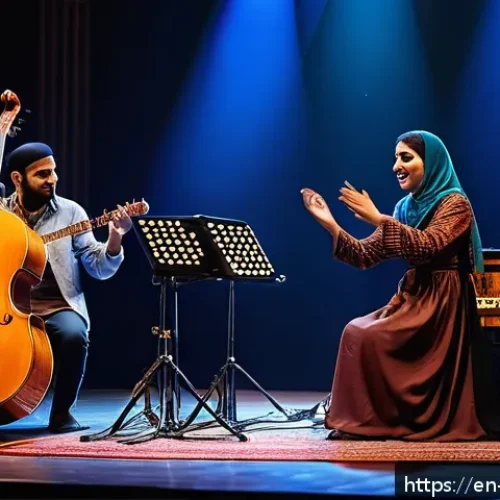
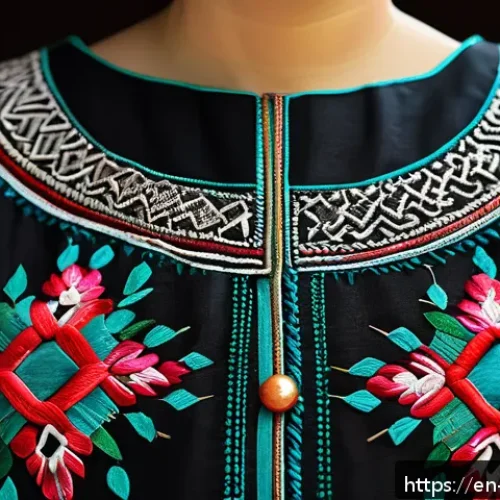
It’s truly inspiring to see how deeply committed communities are to preserving their ancient traditions. From the unique culinary practices passed down through generations to the vibrant folk dances and intricate embroidery, these cultural expressions are not relics of the past but living aspects of contemporary life. I’ve always admired how strong a sense of identity can be forged through these shared practices. In many villages and towns, you can still witness age-old agricultural methods, traditional crafts, and unique storytelling traditions that connect people directly to their ancestors. These aren’t just quaint customs; they are vital threads that weave together the fabric of society, providing continuity and a sense of belonging in a rapidly changing world. It’s a beautiful demonstration of how culture acts as a shield against homogenization, allowing distinct identities to flourish and providing a constant source of strength and pride for local populations. This active preservation isn’t just about memory; it’s about actively living history, ensuring that the wisdom and beauty of the past continue to enrich the present and inspire future generations, creating a truly unique and resilient cultural landscape.

Modern Challenges, Enduring Spirit

Of course, it’s not all ancient traditions and serene landscapes. The people living here face significant modern challenges, from economic hardships to ongoing geopolitical tensions. Access to education, healthcare, and stable employment are real concerns, impacting daily life in profound ways. However, what continues to impress me is the unwavering spirit and resourcefulness I’ve observed. Whether it’s through innovative agricultural practices, the burgeoning tech scene in certain areas, or the sheer entrepreneurial drive of individuals, people are constantly finding new ways to build a better future for themselves and their families. This resilience isn’t just about surviving; it’s about striving for progress, maintaining dignity, and holding onto hope despite adversity. It’s a reminder that beneath the layers of history and conflict, there’s a dynamic, evolving society, filled with individuals who are just as determined to shape their future as any of their ancestors were. Their stories of perseverance and adaptation are, for me, the most compelling narratives of all, showcasing humanity’s incredible capacity to endure and flourish even in the most demanding circumstances. It speaks volumes about the indomitable will to thrive and innovate, continuing a legacy of profound human adaptation that has characterized this region for millennia.

Archaeological Wonders: Unearthing the Past

As someone who gets absolutely giddy about history, the archaeological richness of this region is something I can talk about for hours! It’s like an open-air museum, where every dig promises to reveal another layer of human story. I’ve seen images and read accounts of incredible discoveries that completely rewrite our understanding of ancient civilizations, and honestly, it’s just thrilling. Imagine unearthing pottery fragments that date back thousands of years, or discovering a mosaic floor that once graced a Roman villa. Each artifact, each structure, acts as a tiny window into the lives of people who walked these lands long, long ago. It’s not just about finding old things; it’s about piecing together the puzzle of humanity’s past, understanding how societies evolved, what they believed, and how they lived their daily lives. The ongoing archaeological work here is not merely academic; it’s a vital part of understanding the present, as these finds often illuminate the deep historical connections that communities have to their land. Every new discovery adds another piece to the already complex and fascinating narrative, deepening our appreciation for the incredible legacy that has been preserved beneath the surface for millennia. This constant process of discovery makes the region feel alive with untold stories, beckoning us to look closer and learn more about our collective human journey.

Revealing Ancient Cities and Settlements

The sheer number of ancient sites scattered across this landscape is staggering. From the majestic ruins of Jerash in Jordan, with its remarkably preserved Roman architecture, to the ancient mounds (tells) in Palestine that conceal entire cities, there’s an endless bounty for archaeologists and history enthusiasts alike. I’ve always dreamed of being on a dig, feeling the thrill of brushing away centuries of dust to reveal something truly ancient. These sites aren’t just collections of stones; they are the physical manifestations of complex societies, bustling markets, grand temples, and humble homes. They offer tangible proof of the empires and cultures that once flourished, providing invaluable insights into their urban planning, engineering prowess, and artistic expressions. Each city tells a unique story of its inhabitants, their triumphs, and their challenges. The painstaking work of archaeologists helps us visualize these lost worlds, offering a concrete connection to the distant past and helping us understand the evolution of human civilization in this critical geographic crossroads. This continuous unearthing of ancient urban centers provides not only academic knowledge but also a profound sense of continuity, demonstrating how past lives and societies directly inform and enrich our understanding of the present-day landscape and its enduring human spirit.

The Language of Artifacts

What I find truly captivating about archaeology is how artifacts “speak” across time. A simple clay lamp can tell you about daily life, a coin about trade and ruling powers, and an inscription about language and beliefs. These objects are not just inert pieces of history; they are direct messages from the past, unfiltered by later interpretations. I’ve spent hours poring over museum exhibits featuring artifacts from this region, trying to imagine the hands that crafted them, the lives they touched. Each pot, each tool, each piece of jewelry offers a unique glimpse into the human experience across millennia, allowing us to connect with people whose voices have long been silent. This tangible connection to the past is incredibly powerful, enabling us to reconstruct not just events but also the cultural nuances, technological advancements, and spiritual practices of ancient societies. It’s a testament to the enduring human story that even the smallest fragments can convey profound insights, helping us to bridge the vast expanse of time and understand the intricate fabric of our shared heritage. These silent witnesses truly bring history to life, transforming dry facts into vibrant narratives that resonate deeply with our own human experience.

Advertisement

Wrapping Things Up

And there you have it, friends! Our journey through this absolutely incredible corner of the world, from its ancient roots to its vibrant, complex present, truly brings home how deeply interwoven history, culture, and faith are. I’ve always felt that the most profound lessons about humanity come from understanding such places, where every stone has a story and every landscape echoes with the footsteps of millennia. It’s more than just a place on a map; it’s a living, breathing testament to human resilience, ingenuity, and the enduring power of belief. What truly sticks with me is the feeling that this region doesn’t just hold history; it actively shapes our collective human narrative even today, constantly reminding us of our shared heritage and the deep connections that bind us all, regardless of where we come from. It’s an honor to share these insights with you, and I hope it sparks your own curiosity to dive deeper into its profound stories.

Good-to-Know Information

1. Embrace the Layered History: When you approach this region, whether virtually or in person, remember you’re stepping into thousands of years of continuous human activity. Don’t expect simple answers; instead, appreciate the rich tapestry woven from countless civilizations and traditions. I’ve found that the more you read up on the diverse historical periods – from early Canaanite settlements to the Roman, Byzantine, and Ottoman eras – the more profound your understanding and appreciation of the present-day landscape become. It’s like peeling back an onion, each layer revealing new insights and connections that make the whole experience incredibly rich and thought-provoking, far beyond what you might initially expect. This deep dive into the past illuminates so much about the enduring human spirit and its capacity for creating lasting legacies.

2. Cultural Sensitivity is Key: This area is a melting pot of cultures and faiths, each with deeply held customs and beliefs. When visiting or learning about the region, always approach with an open mind and a respectful attitude. Simple gestures, like dressing modestly in religious sites or learning a few basic phrases in Arabic or Hebrew, can go a long way in fostering positive interactions. I’ve personally experienced how warmly locals respond to genuine efforts to engage with their culture, making your journey not just about sightseeing, but about genuine human connection and mutual understanding. This respect for local traditions isn’t just polite; it’s essential for truly appreciating the unique social fabric of the region.

3. The Significance of Water: You’ve heard me talk about the Jordan River, and it’s not just an ancient waterway. Water scarcity has always been, and remains, a critical issue for the entire region. Understanding its vital role, both historically and in contemporary geopolitical discussions, offers immense insight into many of the challenges and cooperative efforts at play. Reflecting on how ancient civilizations ingeniously managed this precious resource puts modern efforts into perspective. It really highlights how fundamental environmental factors are to human development and conflict, driving home the enduring link between natural resources and the course of history and current affairs.

4. Savor the Cuisine: One of the most delightful ways to connect with any culture is through its food, and this region is no exception! The local cuisine is a delicious blend of flavors, reflecting centuries of trade and cultural exchange. From the vibrant spices of Middle Eastern dishes to the fresh produce of the Mediterranean, every meal is an adventure. Don’t shy away from trying street food or local specialties – that’s often where you’ll find the most authentic and memorable culinary experiences. I still dream about some of the falafel and hummus I’ve had; truly unforgettable and a window into the heart of the culture!

5. Connect with Local Narratives: While historical texts and news headlines provide a macro view, seeking out personal stories from people living in the region offers an invaluable perspective. Whether through documentaries, interviews, or if you’re lucky enough to visit, engaging with locals helps humanize the often-complex narratives. Their resilience, their hopes, and their daily lives are the living embodiment of this ancient land. I always find that these personal connections transform abstract history into a vibrant, relatable experience, reminding us that behind every historical event are real people with profound stories to tell.

Advertisement

Key Takeaways

To sum it all up, this region stands as an unparalleled testament to human history and spiritual devotion, a true crossroads where ancient empires converged and foundational faiths took root. It’s a place where the past isn’t just preserved in museums but lives and breathes in the everyday lives of its people, in the landscapes, and in the enduring traditions. The geopolitical complexities we see today are deeply intertwined with centuries of layered history, making it essential to understand these historical foundations to grasp current events. Above all, it’s the remarkable resilience and unwavering spirit of the people who call this land home that truly defines it. They continue to navigate modern challenges while fiercely preserving their rich cultural heritage, reminding us all of the profound human capacity for hope, adaptation, and sustained identity amidst continuous change. It’s a powerful narrative that continues to unfold, inviting us to learn, reflect, and appreciate its unique place in our shared human story.

Frequently Asked Questions (FAQ) 📖

Q: What exactly makes Palestine and the Jordan River such a pivotal point in human history and spirituality?

A: Oh, where do I even begin with this! When I started really digging into the history of this region, I was absolutely floored by how central it has been to everything.
You see, Palestine, often called “the Holy Land,” isn’t just a place on a map; it’s practically the heartbeat of spiritual history for billions of people worldwide.
It’s held sacred by Jews, Christians, and Muslims alike, and that’s not just a coincidence. For Jews, it’s the land promised by God, the very place where their faith and identity were forged.
Imagine walking where Abraham, Moses, and David once walked—it’s an incredibly powerful connection. Christians revere it as the birthplace of Jesus, the site of his ministry, crucifixion, and resurrection.
Bethlehem and Nazareth aren’t just names; they’re places that hold immense significance for Christian pilgrims, marking foundational moments in their faith.
And for Muslims, Jerusalem holds the revered Al-Aqsa Mosque, considered the third holiest site in Islam, where Prophet Muhammad is believed to have ascended to heaven.
This isn’t just about religious texts; it’s about a living, breathing history where civilizations rose and fell, each leaving an indelible mark. This region has been a crossroads for culture, commerce, and politics for millennia, shaping not just individual faiths but the very tapestry of global civilization.
It’s truly mind-boggling to think about the layers of history beneath your feet in a place like Jerusalem! It’s this unique confluence of spiritual reverence and historical depth that truly makes Palestine a pivotal point in our shared human story.

Q: Beyond religious narratives, how have various empires and cultures left their mark on this land, and what can we still see of their influence today?

A: That’s such a brilliant question because the story of this region is so much more than just spirituality – it’s a living museum of human ambition and innovation!
I’ve always been fascinated by how many powerful empires saw this land as the prize. Think about it: the Assyrians, Babylonians, Persians, Greeks, Romans, Byzantines, Crusaders, and Ottomans all ruled here at different times.
Each one didn’t just pass through; they truly built, innovated, and left their mark. For instance, when the Roman Empire adopted Christianity in the 4th century, Palestine transformed into a vibrant center for the religion, attracting scholars and pilgrims and leading to the construction of incredible churches and monasteries.
And let’s not forget the architectural marvels! You can still visit places like Caesarea Maritima, with its impressive Roman aqueduct and theater, which once served as a major administrative city.
The Crusader castles scattered across the landscape still stand as testament to medieval conflicts, and the Ottoman Empire, which ruled for centuries, left behind a legacy of impressive urban planning and many of the old city structures we see today in places like Jerusalem.
What’s wild is that the echoes of these empires aren’t just in ruins. The strategic importance of the land as a bridge between continents—Africa, Asia, and Europe—meant that control of Palestine often meant control of vital trade routes.
This historical geopolitical significance, the struggle for influence, resources, and strategic position, continues to shape the region’s challenges and conflicts in our modern world.
It’s like history isn’t just in the past; it’s actively influencing today’s headlines.

Q: The Jordan River is often spoken of with immense reverence. What’s its unique significance, and how does it impact people in the region even now?

A: Ah, the Jordan River! It’s truly a legend in its own right, and when you visit, you just feel that weight of history. For many, it’s not just a river; it’s a symbol.
Its religious importance is, of course, paramount. In Judaism, it symbolizes the entry into the Promised Land, a truly transformative moment for the Israelites.
For Christians, it’s the sacred site of Jesus’ baptism by John the Baptist, marking the beginning of his public ministry. Pilgrims, even today, flock to sites like Al-Maghtas, on the Jordanian side, to be baptized or to collect its blessed waters, connecting directly to those ancient narratives.
I’ve heard so many personal stories from people who describe it as a truly profound experience, and it’s something I’ve seen firsthand. But its significance extends far beyond spirituality.
Geographically, it forms a crucial natural border between Jordan, the Palestinian West Bank, and Israel. In an arid region, the Jordan River has historically been a vital source of fresh water, supporting agriculture and livelihoods for millennia.
Many communities, particularly Palestinian agricultural lands, developed around the river, making it integral to their identity and economy. However, and this is where the modern challenges come in, the river today is under immense strain.
Decades of diversion for agricultural and domestic use, coupled with climate change, have severely reduced its flow—to less than 10% of its historical average in some areas.
This has led to a major water scarcity crisis, impacting ecosystems, shrinking the Dead Sea, and creating significant economic and health challenges for communities, especially for Palestinians who face limitations in accessing water resources.
So, while it remains a powerful spiritual symbol, the Jordan River is also a stark reminder of the complex environmental and geopolitical issues that continue to shape this truly remarkable region.