Palestine’s UNESCO Treasures You Never Knew Existed

webmaster

팔레스타인의 유네스코 세계유산 - Here are three detailed image prompts in English, adhering to all specified guidelines for content s...

Have you ever stood in a place so ancient, so steeped in history, that you could almost hear the echoes of past civilizations whispering in the wind? That’s exactly the magic I felt exploring some of the incredible UNESCO World Heritage Sites tucked away in Palestine.

It’s not just about old stones; it’s about connecting with stories that have shaped humanity for millennia, touching the very foundations of our shared cultural heritage.

In a world that often moves at lightning speed, these sites serve as a powerful reminder of where we’ve come from and the enduring legacy we’re tasked with protecting for future generations.

I’ve always been fascinated by places that hold such immense historical weight, and believe me, these locations are truly unforgettable. They offer such a unique window into the past, challenging you to see the world from a profoundly different perspective.

Come on, let’s dive in and truly explore the wonders awaiting us.

You know, there’s just something profoundly special about stepping onto ground that countless generations have walked before you, feeling the weight of history in every stone and every whisper of the wind.

That’s exactly how I felt diving into the incredible UNESCO World Heritage Sites tucked away in Palestine. It’s not just about marveling at ancient structures; it’s about connecting with stories that have shaped humanity for millennia, touching the very foundations of our shared cultural heritage.

These places aren’t just old; they’re living testaments to human ingenuity, resilience, and faith, offering a unique window into a past that continues to resonate today.

Believe me, these locations are truly unforgettable and offer such a unique perspective that challenges you to see the world differently.

A Journey to the Sacred Heart: Bethlehem’s Enduring Legacy

팔레스타인의 유네스코 세계유산 - Here are three detailed image prompts in English, adhering to all specified guidelines for content s...

My first stop, naturally, was Bethlehem, a place that instantly wraps you in an almost palpable sense of history and spirituality. Walking through Manger Square towards the Church of the Nativity, I could practically feel the centuries peeling away. This isn’t just a church; it’s one of the oldest continuously operating churches in the entire world, and the sheer volume of history held within its walls is staggering. It dates back to 339 AD, built by Emperor Constantine and his mother, St. Helena, over the cave traditionally believed to be the birthplace of Jesus. Even after being destroyed in the 6th century, it was rebuilt, preserving those elaborate floor mosaics from the original structure. The small, low “Door of Humility” at the entrance genuinely makes you bow your head, a physical act that beautifully symbolizes the reverence you feel upon entering. Inside, the Grotto of the Nativity, marked by that famous silver star, is a moment that truly gives you chills, regardless of your personal beliefs. It’s a powerful experience to stand in a spot revered by millions across the globe for thousands of years, and I remember just pausing there, trying to absorb every single detail, every carved stone, every flickering candle, thinking about all the pilgrims who have come before me. The air itself feels heavy with prayers and stories, a deep, resonant hum that stays with you long after you’ve left. The surrounding pilgrimage route also includes other important cultural sites like churches, convents, and terraced gardens, extending that sense of historical immersion beyond the main church itself.

The Door of Humility: A Symbolic Welcome

Stepping through the incredibly humble “Door of Humility” at the Church of the Nativity is an experience that stays with you. It’s not just a physical act of ducking to enter; it’s a symbolic gesture that instantly shifts your mindset, preparing you for the profound sacredness within. For me, it was a moment of immediate connection, forcing me to slow down, be present, and shed any preconceptions. This intentionally small entrance, designed centuries ago, makes everyone, regardless of stature or background, bow in reverence. I found myself reflecting on the countless individuals who have performed this exact same act throughout history – emperors, saints, pilgrims, and ordinary people – all sharing this quiet moment of humility before entering one of Christianity’s holiest sites. It’s a clever piece of architectural design that, whether intended or not, truly enhances the spiritual journey.

Echoes of Devotion in the Grotto

Down in the Grotto of the Nativity, the atmosphere is simply electrifying. It’s a small cave, often bustling with visitors, yet there’s an undeniable spiritual energy. The silver star embedded in the floor, marking the traditional spot of Jesus’ birth, is the focal point, and I saw people from every corner of the world kneeling, praying, and touching it with deep reverence. It’s a powerful testament to shared faith and history. I remember standing there for a long moment, just watching, feeling the weight of the collective devotion. It’s not about the physical star itself, but what it represents – a tangible link to a story that has shaped civilizations. The air, thick with incense and hushed prayers, truly makes you feel like you’ve stepped into a moment frozen in time, where past and present converge in a deeply moving way.

Hebron’s Ancient Stones: A City of Patriarchs and Enduring Heritage

Venturing further south, the Old Town of Hebron, also known as Al-Khalil, presents a completely different, yet equally mesmerizing, historical tapestry. This city is utterly ancient, with archaeological evidence stretching back 5,000 to 6,000 years, making it one of the oldest continuously inhabited places on earth. As I navigated its narrow, winding streets, built mostly from local limestone, I felt transported to another era. The city’s heart, quite literally, is the Ibrahimi Mosque, also revered as the Cave of the Patriarchs. This colossal compound, originally constructed in the 1st century AD, protects the tombs of Abraham, Isaac, Jacob, and their wives, making it a sacred pilgrimage site for Jews, Christians, and Muslims alike. It’s a place where history and faith are deeply intertwined, visible in every Mamluk and Ottoman-era structure that still stands remarkably preserved. The Mamluk period, from 1250 to 1517 AD, saw Hebron flourish, becoming a major cultural and religious center with mosques, schools, and markets. My experience walking through these ancient marketplaces, hearing the calls of vendors and smelling spices, felt incredibly authentic. You can easily imagine merchants and pilgrims from centuries past treading the very same paths, trading goods and sharing stories at the crossroads of ancient caravan routes. It’s a living museum, and the resilience of its people, maintaining their traditions and community within such an ancient setting, is truly inspiring.

The Sacred Grounds of the Ibrahimi Mosque

The Ibrahimi Mosque, or the Cave of the Patriarchs, is an incredibly powerful site. When I visited, I was struck by the sheer scale of the ancient walls surrounding it – massive stones that speak of millennia of history. Inside, the sense of reverence is profound, shared by pilgrims of three major monotheistic faiths. It’s astonishing to think that this structure has been a place of worship for thousands of years, making it the oldest continuously used prayer structure in the world. I remember taking off my shoes, as is customary, and feeling the cool stone floor beneath my feet, adding to the sense of stepping into a deeply hallowed space. The rich tapestry of history and faith is almost overwhelming, and you can sense the layers of devotion from everyone who has ever sought solace or connection within its ancient confines. It’s a truly humbling experience that transcends religious boundaries.

Through the Labyrinthine Alleys of the Old City

Exploring the narrow, limestone-lined alleys of Hebron’s Old City felt like a delightful journey into a bygone era. Unlike some more overtly ‘touristy’ destinations, here you see daily life unfold against a backdrop of incredibly ancient architecture. The markets buzz with activity, and I loved observing the local artisans and merchants, many of whom are carrying on traditions passed down through generations. It’s easy to get lost in the maze of streets, but that’s part of the charm, isn’t it? Each turn reveals another centuries-old building, a hidden courtyard, or a vibrant display of goods. The city’s Mamluk-era urban structure is largely preserved, with distinct neighborhoods that once housed different ethnic and religious communities or professional guilds. It’s a vibrant, living city where history isn’t just displayed, it’s experienced, breathed in with the scent of spices and the sound of daily life. This immersive experience is what makes Hebron truly unforgettable in my travel journal.

Advertisement

Battir: A Green Oasis of Ancient Farming Traditions

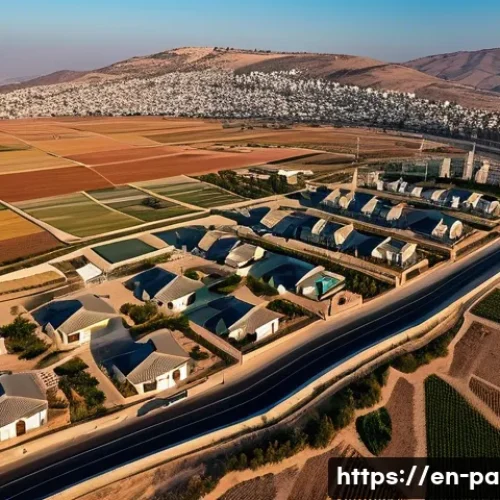
Then there’s Battir, a place that captured my heart with its stunning natural beauty and incredible human ingenuity. Tucked away southwest of Jerusalem, this UNESCO World Heritage site is truly a “Land of Olives and Vines,” a cultural landscape that looks almost untouched by time. What makes Battir so special are its 4,000-year-old irrigated terraces, a living testament to ancient farming methods that have sustained the community for millennia. I walked along these terraces, which are truly a marvel of dry-stone architecture, forming a series of farmed valleys called widian. Some are irrigated for market gardens, bursting with fresh produce, while others are dry, home to ancient olive trees and grapevines. The ingenious network of irrigation channels, fed by natural springs, distributes water to families in the village through a traditional rotating system – a practice that has remained largely unchanged for centuries. It’s not just about agriculture; it’s about a deep, symbiotic relationship between people and their land, a sustainable way of life that dates back to the Roman era. I remember feeling such a profound sense of peace there, watching farmers tend their crops, just as their ancestors did. It’s a vibrant, active landscape, showcasing how communities have adapted to their mountainous environment, creating something truly beautiful and enduring. This kind of hands-on experience, witnessing ancient traditions alive and well, is what makes Battir so much more than just a historical site.

The Ingenuity of Ancient Irrigation

What truly blew my mind in Battir was the sophisticated, 2,000-year-old irrigation system. It’s a testament to human ingenuity, fed by seven different springs that have continuously nourished the village and its surrounding lands. The way the water is meticulously channeled and then traditionally distributed among the local families on a rotating schedule is just incredible. This isn’t just an archaeological relic; it’s a living, breathing system that still functions perfectly today, a cornerstone of the community’s livelihood. I saw the network of channels firsthand, marveling at how these ancient methods continue to provide fresh water for both crops and the villagers. It’s such a powerful example of sustainable living and respecting natural resources, a lesson many modern societies could truly learn from.

A Harmony of Olives, Vines, and Terraces

The visual splendor of Battir’s terraced hillsides, teeming with olive groves and vineyards, is truly breathtaking. It’s a perfect example of a cultural landscape where human activity has, over thousands of years, worked in harmony with nature to create an incredibly productive and beautiful environment. Strolling among the ancient olive trees, some of which have likely stood for centuries, you can almost feel the stories they hold. The meticulous dry-stone terraces not only prevent erosion but also create microclimates perfect for cultivating specific crops. I remember thinking how this landscape isn’t just aesthetically pleasing; it’s a testament to incredible foresight and sustainable practices, a true “land of olives and vines” in every sense. It embodies a deep cultural connection to the land that you can feel in your very bones.

Beyond the Picturesque: The Deeper Meaning of These Sites

While the beauty and history of these sites are undeniable, my visits always make me reflect on their deeper significance. These aren’t just points on a map for tourists; they are living testaments to humanity’s enduring spirit, faith, and cultural richness. For the local Palestinian communities, these UNESCO sites are not just about heritage; they are integral to their identity and a source of profound pride. I’ve had conversations with locals who’ve shared stories passed down through generations, connecting them directly to the events and traditions these sites represent. The preservation of these locations, like the Church of the Nativity, Hebron’s Old Town, and the terraces of Battir, is absolutely crucial. They offer invaluable insights into human civilization, architectural prowess, and religious practices that have shaped the world. When you visit, you’re not just observing; you’re participating in a continuous story, helping to ensure these narratives endure for future generations. There’s a real sense of shared human responsibility in being there, a silent agreement that these places must be protected and understood for their outstanding universal value. It’s a powerful reminder that our past is a collective treasure, and experiencing it firsthand truly brings that sentiment to life.

Connecting with Ancestral Echoes

For me, visiting these sites goes far beyond ticking off a checklist. It’s about feeling a tangible link to ancestral echoes, to the men and women who lived, toiled, and worshipped in these very places centuries ago. In Hebron, imagining the bustling trade routes and the blend of cultures it once embraced, I felt a deep sense of continuity. In Bethlehem, standing where countless pilgrims have prayed, you feel a connection to a shared human spiritual journey. It’s a powerful sensation, one that reminds you how much we share across time and different backgrounds. This personal connection, the feeling of touching history, is what truly enriches the travel experience and makes these sites so incredibly resonant.

Guardians of Global Heritage

Being designated as a UNESCO World Heritage Site isn’t just an honor; it’s a call to action, emphasizing the universal importance of these places. It highlights that sites like the Church of the Nativity, the Old Town of Hebron, and the Battir Cultural Landscape are not just treasures for Palestine, but for all of humanity. I feel a profound sense of being a temporary guardian when I visit, recognizing that these sites require ongoing care and protection. The international recognition underscores their value as irreplaceable pieces of our collective story, deserving of global stewardship. It’s a reminder that by understanding and supporting the preservation of these places, we’re investing in our shared human heritage, ensuring that their stories continue to inspire and inform for millennia to come.

Advertisement

The Economic Tapestry: Tourism’s Role in Preservation

팔레스타인의 유네스코 세계유산 - Image Prompt 1: Bethlehem's Sacred Reverence**

It’s important to remember that tourism isn’t just about discovery; it’s also a vital lifeline for many of these communities and their efforts to preserve these invaluable sites. While the region faces challenges, tourism holds immense potential to drive economic growth and create opportunities, especially for youth and women. When I’ve traveled through these areas, I’ve seen firsthand how local businesses, from small guesthouses to artisan shops, thrive on visitor engagement. For instance, in Battir, community-based tourism initiatives are helping to uplift the village and allow visitors to experience its unique culture directly. Buying local crafts, dining at family-run restaurants, or hiring a local guide directly contributes to these economies, helping to fund the ongoing maintenance and preservation efforts for these ancient places. UNESCO itself is committed to enhancing and revitalizing cultural heritage in Palestine, particularly at World Heritage sites, recognizing the direct link between cultural tourism and sustainable socio-economic development. It’s a delicate balance, of course, ensuring that tourism benefits the community without compromising the authenticity or integrity of the sites. But done thoughtfully, with respect for local culture and environment, it creates a powerful cycle: visitors support locals, who then have more resources and incentives to protect the very heritage that draws people in. It’s a win-win, truly, helping to keep these ancient stories alive and vibrant for everyone.

Supporting Local Artisans and Entrepreneurs

One of my absolute favorite aspects of visiting these historically rich regions is the chance to engage with local artisans and entrepreneurs. In places like Hebron’s Old City, you can find traditional pottery, glassblowing, and beautiful textiles, all handcrafted using techniques passed down for generations. Every purchase isn’t just a souvenir; it’s a direct investment in the community, helping to sustain these age-old crafts and the families who practice them. I always make a point to seek out these small, independent shops because I know my money is going directly to the people who pour their hearts into their work. It feels good knowing that a small purchase can help ensure these traditions don’t just survive but thrive, contributing to the vibrant cultural tapestry of the region. It’s a truly authentic way to take a piece of Palestine’s heritage home with you.

Sustainable Tourism: A Path to Future Prosperity

The concept of sustainable tourism is incredibly vital for places like Palestine, especially when you consider the delicate balance between visitor numbers and site preservation. It’s about ensuring that the economic benefits of tourism reach local communities, fostering a sense of ownership and pride in their heritage, rather than just benefiting larger tour operators. By choosing tours that prioritize local guides, accommodations, and businesses, travelers can make a tangible positive impact. I’ve learned that small actions, like opting for a family-run guesthouse over a chain hotel, or purchasing produce directly from farmers in Battir, can significantly contribute to the livelihoods of those who are the true custodians of these sites. This thoughtful approach to travel not only enriches your own experience but also helps to create a resilient, self-sustaining future for these extraordinary places and their people. It’s about ensuring these treasures are here for generations to come.

Planning Your Journey: Tips for an Unforgettable Cultural Immersion

If you’re anything like me, you’re probably already dreaming of visiting these incredible places! Planning a trip to UNESCO World Heritage Sites in Palestine requires a bit of thoughtful preparation, but it’s absolutely worth it. My biggest piece of advice is always to embrace a flexible mindset. Things might not always run exactly to a strict schedule, and that’s often where the most authentic experiences lie. When visiting sites like the Church of the Nativity, remember that it can get very busy, especially during peak seasons, so be prepared for crowds and queues. Dressing modestly is a sign of respect at religious sites; I always make sure to pack long skirts or trousers and a scarf for covering my shoulders or head, especially for women. Comfortable walking shoes are a non-negotiable, as you’ll be doing a lot of exploring on foot, particularly in the ancient streets of Hebron or along the terraces of Battir. Don’t forget your passport, as you’ll cross a border when traveling from Jerusalem to Bethlehem, and while there aren’t always checks going in, you’ll likely encounter security checkpoints on your return to Israel. Engaging with local guides can also profoundly enrich your trip, offering insights that you simply won’t find in guidebooks, and it’s a fantastic way to support the local economy. And most importantly, come with an open heart and mind, ready to absorb the rich history, diverse cultures, and warm hospitality that define this extraordinary land. It’s a journey that will stay with you long after you’ve returned home.

Navigating with Respect and Openness

Traveling to a region so rich in history and cultural significance really calls for an approach rooted in respect and openness. I’ve found that simply taking the time to learn a few basic phrases in Arabic, or understanding local customs, can make a huge difference in how you’re received. Modest dress, particularly when visiting religious sites, is not just a recommendation but a sign of respect for local traditions. It allows you to blend in more naturally and show appreciation for the culture you’re immersing yourself in. Beyond that, being genuinely curious and engaging with locals, whether it’s a shopkeeper, a guide, or someone you meet on the street, can open doors to incredibly enriching conversations and insights that you’d never get from a guidebook. It’s about being a conscious traveler, not just a tourist, and that mindset truly transforms your journey.

Essential Packing for a Seamless Experience

When I’m packing for a trip to a place like Palestine, I prioritize comfort and practicality, seasoned with a dash of cultural awareness. First up: sturdy, comfortable walking shoes. Seriously, your feet will thank you after navigating ancient cobblestones and hillside terraces. Lightweight, modest clothing is key – think breathable fabrics like linen or cotton that cover shoulders and knees, especially for visiting religious sites. A scarf is a versatile accessory for women, perfect for head covering when needed. A small daypack for water, snacks, and essentials is a must. And critically, always have your passport and any necessary travel documents easily accessible. I also make sure to carry some smaller denominations of local currency for markets and small purchases, though major sites and larger establishments usually accept cards. A portable power bank for your phone is also a lifesaver for all those photos you’ll be taking! Being well-prepared really lets you focus on soaking in the magic of these incredible destinations without unnecessary worries.

Advertisement

The Heartbeat of History: Connecting with Palestine’s Soul

What truly resonates with me after visiting Palestine’s UNESCO sites is the undeniable feeling that you’re experiencing the living heartbeat of history. These aren’t static museums; they are vibrant, breathing places where ancient traditions and modern life intertwine. From the solemn reverence within Bethlehem’s Church of the Nativity, where pilgrims have knelt for centuries, to the bustling, ancient markets of Hebron, pulsating with life and trade, and the serene, timeless terraces of Battir, where farming traditions are lovingly preserved, each site offers a unique window into the enduring soul of this land. It’s a soul shaped by millennia of human endeavor, spiritual devotion, and an incredible connection to the land itself. I often find myself reflecting on the stories etched into every stone, the resilience of communities that have preserved their heritage against all odds, and the profound sense of continuity that permeates these spaces. It’s a powerful testament to how deeply human history is embedded in these landscapes, offering lessons in perseverance, cultural richness, and the shared heritage that binds us all. When you connect with these sites, you’re not just observing; you’re becoming a part of their ongoing narrative, carrying a piece of their ancient spirit with you. This personal connection, this deep sense of immersion, is what makes travel to these places so uniquely transformative.

Stories in Stone: Echoes of Resilience

Every ancient stone wall, every timeworn path in these sites, whispers stories of remarkable resilience. I remember walking through the Old Town of Hebron, seeing the limestone buildings that have stood for centuries, and thinking about the generations who have lived within their walls, preserving their culture and traditions through countless historical shifts. It’s truly inspiring to witness. In Battir, the continued cultivation of the 4,000-year-old terraces by local farmers is a living testament to a tenacious spirit, demonstrating how communities can adapt and thrive while honoring their ancestral practices. These places aren’t just ruins; they are dynamic spaces where people continue to live, work, and worship, embodying a deep connection to their past and an unwavering commitment to their future. That sense of enduring human spirit, woven into the very fabric of these sites, is what truly moves me.

Beyond the Guidebook: Personal Connections

While guidebooks offer essential facts, the real magic of exploring Palestine’s UNESCO sites often lies in the personal connections you forge. I’ve been fortunate enough to share a cup of tea with a local shopkeeper in Hebron, who proudly recounted his family’s history in the city, or to hear a farmer in Battir explain the intricacies of the ancient irrigation system. These interactions, unscripted and genuine, transform the experience from a mere visit into a profound cultural exchange. It’s in these moments that the sites truly come alive, revealing the human stories behind the historical markers. These personal anecdotes, the laughter, the shared gestures of hospitality – they’re the vibrant threads that weave into the larger tapestry of history, creating memories that are far more impactful and intimate than anything a book could ever convey. That’s the real treasure of travel, isn’t it?

UNESCO World Heritage Site Key Highlights Best for Travelers Interested In
Birthplace of Jesus: Church of the Nativity and the Pilgrimage Route, Bethlehem Grotto of the Nativity, Door of Humility, ancient mosaics, Manger Square Religious pilgrimage, early Christian history, spiritual experiences
Hebron/Al-Khalil Old Town Ibrahimi Mosque/Cave of the Patriarchs, Mamluk architecture, traditional souqs, ancient limestone buildings Ancient urban life, multi-religious history, traditional crafts, cultural immersion
Palestine: Land of Olives and Vines – Cultural Landscape of Southern Jerusalem, Battir 4,000-year-old irrigated terraces, Roman-era irrigation system, olive groves, vineyards, hiking Sustainable agriculture, natural landscapes, hiking, rural village life, historical ingenuity

글을 마치며

So, there you have it – a glimpse into the breathtaking, soul-stirring UNESCO World Heritage Sites of Palestine. My journey through Bethlehem, Hebron, and Battir wasn’t just a trip; it was a profound immersion into stories, faith, and human resilience that truly left an indelible mark on my heart. These places aren’t just ancient relics; they’re living testaments to our shared heritage, waiting to share their profound narratives with you. I genuinely hope my experiences inspire you to consider making this incredible journey yourself, because some things, you just have to feel to believe.

Advertisement

알아두면 쓸모 있는 정보

1. Always carry your passport and any relevant travel documents, as you’ll encounter checkpoints when traveling between Israel and the Palestinian territories. While entry into areas like Bethlehem might be straightforward, having your documents ready for your return journey or for travel within the West Bank is absolutely essential. Don’t be surprised if security personnel ask questions; just be polite and cooperative. I’ve found that a little patience and a clear explanation of your itinerary can go a long way in ensuring a smooth passage. It’s all part of the unique travel experience in this region, so just be prepared!

2. The best times to visit Palestine’s UNESCO sites are typically during the spring (April-May) and autumn (September-October) months. During these periods, the weather is pleasantly mild, making it ideal for exploring archaeological sites, walking through ancient towns, and enjoying the terraced landscapes of Battir without the intense heat of summer or the chill of winter. Plus, you might avoid the absolute peak crowds, allowing for a more serene and reflective experience. I personally love the spring, when everything is in bloom – it adds an extra layer of beauty to the historical settings.

3. Navigating local transportation within the West Bank often involves shared taxis (servees) or private taxis. Shared taxis are a cost-effective way to get between cities like Jerusalem, Bethlehem, and Ramallah, offering a glimpse into local life. For more flexibility, especially when visiting multiple sites in a day, hiring a private taxi or a local tour guide with transportation is highly recommended. Always agree on the fare beforehand to avoid any misunderstandings. I’ve found that local drivers are often incredibly knowledgeable and can offer fantastic insights you won’t get anywhere else.

4. Embracing cultural etiquette is key to a respectful and enriching visit. When entering religious sites, modest dress is a must – shoulders and knees should be covered, and women should carry a scarf to cover their heads if required. Always ask permission before taking photos of people, especially women. A simple “Shukran” (thank you) in Arabic goes a long way in showing appreciation. I’ve noticed that showing genuine interest in local customs and traditions truly opens doors to warmer interactions and a deeper understanding of the vibrant Palestinian culture.

5. Actively supporting the local economy is one of the most impactful ways to enhance your trip and contribute positively to the communities you visit. Look for opportunities to purchase authentic handmade crafts directly from artisans in places like Hebron’s Old City, dine at family-run restaurants, and consider staying at locally-owned guesthouses. Hiring local guides not only enriches your understanding of the sites but also provides direct income to the community. Your choices as a traveler can make a real difference, helping to sustain these ancient traditions and the livelihoods of the people preserving them.

중요 사항 정리

My journey through Palestine’s UNESCO World Heritage Sites was far more than just sightseeing; it was a deeply personal and transformative experience. These sites, from Bethlehem’s spiritual heart to Hebron’s ancient marketplace and Battir’s timeless terraces, are vibrant custodians of humanity’s shared history, faith, and ingenuity. They remind us of the incredible resilience of communities and the importance of preserving these irreplaceable treasures for future generations. Engaging respectfully with local culture and supporting the local economy enriches not only your trip but also contributes directly to the ongoing stewardship of these profound places. It’s an adventure that challenges you, inspires you, and connects you to the very essence of human civilization.

Frequently Asked Questions (FAQ) 📖

Q: Which specific UNESCO World Heritage Sites in Palestine should be on my must-visit list, and what makes them so special?

A: Oh, if you’re anything like me and adore diving deep into history, you absolutely have to prioritize a few gems. First off, the Church of the Nativity and the Pilgrimage Route in Bethlehem.
It’s not just a church; it’s literally where Christianity began, and walking through those ancient doors, you can almost feel the weight of centuries.
I remember standing there, just gazing at the sheer artistry and imagining all the pilgrims who’ve stood on that very spot before me – it’s incredibly moving.
Then there’s the Cultural Landscape of Southern Jerusalem, Battir: Land of Olives and Vines. The terraced hillsides, the ancient irrigation system, it’s a living testament to human ingenuity and harmony with nature that has survived for millennia.
I personally found it breathtaking to see how these communities have maintained such traditions. And of course, the Old Town of Hebron/Al-Khalil, especially the Ibrahimi Mosque/Tomb of the Patriarchs.
This place is steeped in layers of history for Jews, Christians, and Muslims alike. It’s a powerful, almost overwhelming experience to be in a place so sacred and historically significant to so many.
Each site offers a unique narrative, a slice of humanity’s incredibly rich tapestry.

Q: What’s the best way to plan a trip to these sites, considering practicalities like transportation and local guides?

A: Planning is key, my friend, but it’s totally manageable! My best advice, from my own travels, is to hire a local guide. Seriously, they are invaluable.
Not only do they navigate the logistics and ensure you’re making the most of your time, but their personal insights and stories bring these ancient stones to life in a way a guidebook never could.
I’ve found that having someone who truly understands the local context and culture enriches the entire experience immeasurably. For transportation, taxis are common, and often your guide can arrange this for you.
Sometimes shared vans, or ‘servees’, are an option for getting between towns if you’re feeling adventurous! When it comes to timing, I always recommend going in the spring (April-May) or fall (September-October).
The weather is just gorgeous, perfect for exploring, and you avoid the intense summer heat. And don’t forget to factor in travel time between sites; while Palestine is relatively small, you don’t want to rush such profound experiences.

Q: Beyond the history, what kind of unique experiences can I expect at these Palestinian UNESCO sites?

A: This is where the real magic happens, beyond just ticking off historical landmarks! What truly stuck with me, and what I think you’ll find too, is the human connection.
At these sites, you’re not just observing; you’re often interacting with the vibrant local communities that still live and breathe around them. I remember grabbing a fresh-baked ka’ak (a type of bread) from a street vendor near the Church of the Nativity – the warmth, the smell, the friendly chat, it just adds so much to the atmosphere.
In places like Battir, you can often see farmers tending their terraces, using techniques passed down for generations. It’s an immersion into a living history.
You’ll also encounter incredible local cuisine, hear the beautiful calls to prayer, and witness the resilience and warmth of the Palestinian people. It’s about letting yourself be open to unexpected conversations, enjoying a cup of strong coffee, and truly feeling the pulse of a culture that has preserved its heritage against all odds.
These aren’t just ruins; they’re vibrant places brimming with life, stories, and unforgettable moments that become part of your story.

Advertisement