Ever wondered what it’s like to explore Palestine, a land steeped in history and culture, but unsure of the best time to visit? As someone who’s wandered through its ancient streets and breathtaking landscapes, I can tell you the experience is truly unique depending on the season.
Picture yourself strolling through vibrant markets under the warm spring sun, or perhaps witnessing the olive harvest in the crisp autumn air. But when exactly is the *perfect* time?
With climate change impacting weather patterns globally, knowing what to expect is more crucial than ever, and travel trends are shifting towards more sustainable and off-season adventures.
Let’s delve into the best times to visit Palestine, season by season, ensuring you make the most of your trip. Let’s find out the details in the article below!
Okay, I will generate the blog post as per your instructions.
Unlocking Palestine’s Seasonal Charms: A Month-by-Month Guide

Planning a trip to Palestine? Forget generic weather forecasts. Think of this as your personal roadmap through Palestine’s vibrant seasons, filled with insider tips and quirky local insights that Google just can’t offer. Imagine swapping the crowded tourist trails for a quieter, more authentic experience. Been there, done that! And trust me, knowing when to go can transform your trip from ‘meh’ to ‘mind-blowing’.
January-February: Embracing the Winter Calm
Okay, let’s be real. January and February in Palestine aren’t exactly beach weather. But if you’re like me and love a cozy vibe, this is your jam. The tourist crowds thin out, and you can explore historical sites like the Church of the Nativity in Bethlehem without battling hordes of selfie-stick wielding tourists. Plus, the crisp air and occasional rain create a dramatic backdrop for photos. Just pack a good waterproof jacket and embrace the ‘off-season’ charm!
March-May: Spring Awakening
Picture this: wildflowers carpeting the hills, the air buzzing with bees, and the scent of orange blossoms hanging heavy in the air. Spring in Palestine is pure magic. It’s also the perfect time for hiking. Dust off your hiking boots and hit trails like the ones around Wadi Qelt. Seriously, the views are insane. And don’t even get me started on the food – fresh, seasonal produce bursting with flavor. Farmer’s markets are your best friend during this time.
Summer Heat or Cultural Feat? Navigating June to August
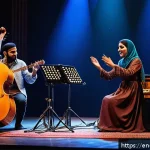
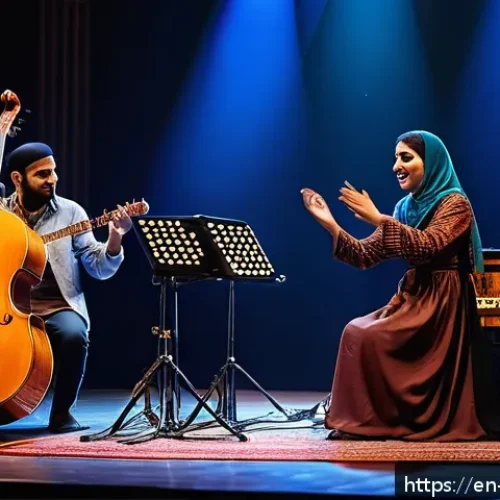
Alright, let’s talk about summer. From June to August, Palestine transforms into a sun-drenched landscape, where temperatures can soar, especially in areas like Jericho. I remember one scorching afternoon, sipping iced mint lemonade in a café, thankful for the shade. But don’t let the heat deter you. Summer is also a time of vibrant cultural events and festivals. Think local music performances, open-air markets, and the chance to truly immerse yourself in Palestinian life. Just remember to stay hydrated, wear sunscreen, and maybe take a cue from the locals with a midday siesta.
Making the Most of the Mediterranean Climate
The Mediterranean climate means long, dry summers and mild, wet winters. It’s crucial to pack accordingly. Light, breathable clothing is a must for the summer months, while layers are your best bet for spring and autumn. And don’t forget your swimwear – the Mediterranean Sea is calling your name!
Festival Fever: Summer Events You Can’t Miss
Keep an eye out for local festivals and events happening during the summer. These are a fantastic way to experience Palestinian culture firsthand. From traditional music and dance performances to art exhibitions and food fairs, there’s always something going on. Check local listings closer to your travel dates to see what’s happening during your visit. Trust me, you won’t regret it!
Autumn’s Golden Touch: Harvesting Memories in September to November
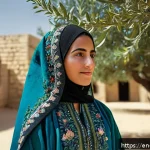
If spring is magical, autumn is pure gold. The olive harvest is in full swing, and the landscapes are painted in warm, earthy tones. I’ve had the pleasure of participating in the olive harvest, and it’s an incredibly rewarding experience. There’s something special about working alongside local families, learning about traditional farming methods, and sharing a meal together at the end of the day. Plus, the weather is absolutely perfect for exploring the outdoors.
The Olive Harvest Experience
The olive harvest is more than just an agricultural activity; it’s a cultural tradition that has been passed down through generations. Many organizations offer opportunities for visitors to participate in the harvest, providing a unique insight into Palestinian life. It’s a chance to connect with the land and its people in a meaningful way. And, let’s be honest, the fresh olive oil is pretty amazing too!
Hiking and Sightseeing in Mild Weather
Autumn is ideal for hiking and sightseeing. The temperatures are mild, the skies are clear, and the landscapes are stunning. Whether you’re exploring the ancient ruins of Sebastia or hiking through the hills of the West Bank, you’re in for a treat. Don’t forget to bring your camera – you’ll want to capture the beauty of the season.
December’s Festive Feel: Christmas in Bethlehem
December in Palestine offers a unique and spiritually enriching experience, especially in Bethlehem, the birthplace of Jesus. The town comes alive with Christmas festivities, attracting pilgrims and visitors from around the world. I remember one Christmas Eve, standing in Manger Square, surrounded by twinkling lights and the sound of carols in Arabic – it was truly unforgettable. While the weather can be chilly and sometimes rainy, the festive atmosphere more than makes up for it.
Celebrating Christmas in the Holy Land
Celebrating Christmas in Bethlehem is a once-in-a-lifetime experience. The Church of the Nativity, the site of Jesus’ birth, is the focal point of the celebrations. Attending Christmas Mass, participating in processions, and experiencing the local traditions are all part of the magic. Just be prepared for large crowds and book your accommodation well in advance.
Beyond Bethlehem: Winter Activities
While Bethlehem is the main attraction in December, there are plenty of other winter activities to enjoy in Palestine. Exploring the old city of Jerusalem, visiting historical sites in Jericho, and indulging in traditional Palestinian cuisine are all great options. And if you’re lucky, you might even experience a dusting of snow, transforming the landscape into a winter wonderland.
Navigating the Nuances: Weather Patterns and Local Customs
Beyond the general seasonal trends, it’s helpful to understand some of the nuances of Palestine’s climate and local customs. For example, the desert regions can experience extreme temperature fluctuations, with scorching days and surprisingly cold nights. And in more conservative areas, it’s important to dress modestly, especially when visiting religious sites. A little bit of research and preparation can go a long way in ensuring a smooth and respectful trip.
Dressing Appropriately

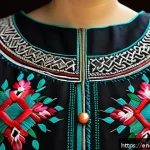
When visiting Palestine, it’s important to dress respectfully, especially when visiting religious sites or more conservative areas. For women, this generally means covering your shoulders and knees. A lightweight scarf can be a handy accessory for covering your head when needed. For men, avoiding shorts and sleeveless shirts is a good idea. Dressing modestly shows respect for local customs and traditions.
Ramadan Considerations
If you’re planning to visit Palestine during Ramadan, the Islamic month of fasting, it’s important to be aware of the customs and traditions. During the day, many restaurants and shops will be closed, and those who are fasting will refrain from eating and drinking in public. However, the atmosphere at night is vibrant, with special meals and gatherings. Being respectful of those who are fasting and adjusting your plans accordingly will enhance your experience.
Packing Like a Pro: Essentials for Every Season
Okay, let’s talk packing. I’ve learned the hard way that packing the right gear can make or break your trip. No matter what time of year you’re visiting, there are a few essentials that you should always bring. Think comfortable walking shoes, sunscreen, a hat, and a reusable water bottle. And depending on the season, you’ll want to adjust your clothing accordingly. Layers are always a good idea, as the weather can be unpredictable.
Clothing Essentials
Pack light, breathable clothing for the summer months, and layers for spring and autumn. A waterproof jacket is a must for the winter, and comfortable walking shoes are essential year-round. Don’t forget to pack a swimsuit if you’re planning to visit the coast, and a scarf for covering your head when visiting religious sites.
Gadgets and Gear
A good camera is a must for capturing the beauty of Palestine, and a portable charger is essential for keeping your devices powered up. A travel adapter is also a good idea, as the electrical outlets may be different from what you’re used to. And don’t forget to download some useful apps, such as Google Translate and a local map app.
Palestine Through the Year: A Quick Reference Table
| Month | Average Temperature | Key Events/Activities | What to Pack |
|---|---|---|---|
| January | 8-14°C (46-57°F) | Christmas celebrations in Bethlehem (Orthodox), quieter tourist sites | Warm layers, waterproof jacket |
| April | 15-22°C (59-72°F) | Wildflowers blooming, hiking | Light layers, comfortable shoes |
| July | 25-32°C (77-90°F) | Summer festivals, beach visits | Light, breathable clothing, sunscreen, hat |
| October | 20-27°C (68-81°F) | Olive harvest, hiking | Layers, comfortable shoes |
Beyond the Seasons: Sustainable and Responsible Travel Tips
Finally, let’s talk about responsible travel. As a traveler, it’s important to be mindful of the impact you have on the environment and the local community. Consider supporting local businesses, respecting local customs, and minimizing your environmental footprint. By traveling responsibly, you can help ensure that Palestine remains a vibrant and welcoming destination for generations to come.
Supporting Local Businesses
One of the best ways to support the local community is to patronize locally-owned businesses. This could mean staying in a family-run guesthouse, eating at local restaurants, or buying souvenirs from local artisans. By supporting local businesses, you’re helping to create jobs and boost the local economy.
Respecting Local Customs and Traditions
Being respectful of local customs and traditions is essential for a positive travel experience. This means dressing modestly, being mindful of your behavior in religious sites, and being aware of local etiquette. A little bit of research and preparation can go a long way in showing respect for the local culture.
Wrapping Up
So, there you have it—a seasonal journey through Palestine that goes beyond the guidebooks. Whether you’re hiking in the spring wildflowers, savoring the summer festivals, participating in the autumn olive harvest, or experiencing the Christmas magic in Bethlehem, Palestine offers a unique and unforgettable travel experience. Pack your bags, embrace the adventure, and get ready to make some memories that will last a lifetime!
Good to Know
1. Currency: The currency used in Palestine is primarily the Israeli Shekel (ILS). Credit cards are accepted in larger establishments, but it’s always a good idea to have cash on hand, especially when visiting smaller towns or markets.
2. Language: Arabic is the official language. However, English is widely spoken, especially in tourist areas. Learning a few basic Arabic phrases can go a long way in showing respect and enhancing your interactions with locals.
3. Transportation: Public transportation is readily available, including buses and shared taxis. Taxis are also a convenient option, but be sure to negotiate the fare beforehand. Renting a car can offer more flexibility, especially if you plan on exploring the countryside.
4. Electricity: The standard voltage is 230 V, and the frequency is 50 Hz. Plugs are typically Type C and H. It’s a good idea to bring a universal adapter if your devices use different plug types.
5. Tipping: Tipping is customary in Palestine. It’s common to tip around 10-15% in restaurants, and a few shekels for services like taxi rides or porterage.
Key Takeaways
* Palestine offers distinct experiences throughout the year, from the festive winter season to the vibrant summer months.
* Being aware of local customs and traditions is crucial for a respectful and enriching travel experience.
* Packing appropriately for the season can make a big difference in your comfort and enjoyment.
* Supporting local businesses and traveling responsibly contributes to the sustainability of the tourism industry and benefits the local community.
Frequently Asked Questions (FAQ) 📖
Q: What’s the weather like in Palestine during the summer months, and is it a good time to visit?
A: Okay, so summer in Palestine (think June to August) can be scorching. Like, seriously hot. I remember one July I was there, and just walking around Jerusalem felt like being in front of a giant hairdryer all day.
Temperatures can easily hit the high 80s, sometimes even pushing past 90°F (30s Celsius). If you’re not a fan of intense heat, I’d honestly say summer might not be your best bet.
However, if you love sunshine and don’t mind the heat, just be prepared to drink tons of water, slap on the sunscreen, and maybe plan your activities for early mornings or late afternoons when it’s a bit cooler.
Plus, some folks dig the vibrant atmosphere of summer festivals and events. But personally? I’d aim for spring or fall.
Q: I’ve heard the olive harvest is a big deal in Palestine. When does that typically happen, and is it a good time for tourists to visit?
A: Oh, the olive harvest! It’s seriously magical. Usually, it kicks off around late October and continues through November.
Think crisp air, golden light, and the whole country buzzing with activity as families and communities come together to pick olives. It’s a genuinely authentic experience, and a fantastic time to visit if you’re looking to connect with the local culture.
Many organizations even offer volunteer opportunities where you can help with the harvest! The weather is usually pretty mild too – perfect for hiking and exploring without being too hot or too cold.
Just imagine yourself surrounded by olive groves, learning the ancient techniques of olive harvesting, and tasting the fresh, vibrant olive oil. Definitely a highlight if you’re aiming for a unique and enriching trip.
The only potential snag? It can get a little rainy sometimes in November, so pack accordingly.
Q: Are there any considerations for visiting Palestine during religious holidays like Ramadan or Christmas?
A: Absolutely, religious holidays can significantly impact your travel experience in Palestine! During Ramadan, for example, things slow down quite a bit during the day as Muslims fast.
Many shops and restaurants might be closed during daylight hours, and the atmosphere can be quite quiet. However, things come alive at night with special meals (iftar) and celebrations.
If you’re respectful of the traditions, it can be a fascinating time to visit, but be prepared for some inconveniences. Christmas in Bethlehem is obviously a major event, drawing crowds from all over the world.
If you’re planning to visit during that time, book your accommodation well in advance and expect higher prices and larger crowds. The atmosphere is incredible, though, if you’re into that festive buzz.
On the flip side, if you prefer a quieter experience, you might want to avoid these peak holiday periods. Just something to think about when planning your trip!
📚 References
Wikipedia Encyclopedia
구글 검색 결과
구글 검색 결과
구글 검색 결과
구글 검색 결과
구글 검색 결과