Unlock the Untold Stories: Palestinian Textile Wisdom

webmaster

**

"A Palestinian artisan, fully clothed in modest traditional attire, carefully hand-embroidering a vibrant cushion cover with intricate floral motifs, safe for work, appropriate content, perfect anatomy, natural proportions, warm indoor lighting in a workshop setting, surrounded by colorful threads and fabrics, professional, modest, family-friendly, high quality, well-formed hands, proper finger count, natural body proportions."

**

For centuries, Palestinian textiles have been more than just fabric; they’re a vibrant narrative woven with threads of history, culture, and resilience.

Each stitch tells a story, passed down through generations, connecting families to their heritage. From the intricate patterns of traditional thobes to the colorful motifs of everyday wear, these textiles are a tangible link to a rich and enduring past.

Having seen these beautiful works firsthand, particularly in local markets and workshops during my travels, I’ve been deeply moved by their beauty and the stories they carry.

In a world increasingly dominated by mass-produced goods, these handcrafted treasures stand as a testament to the enduring power of human creativity and cultural preservation.

Let’s explore the fascinating world of Palestinian textiles in more detail below.

Palestinian textiles have always captivated me, not just for their aesthetic appeal but for the depth of history and cultural significance they hold. The intricate embroidery, the vibrant colors, and the stories woven into each piece—it’s all incredibly moving.

I remember once haggling for a beautifully embroidered cushion cover in a Jerusalem market; the vendor shared stories of her grandmother teaching her the craft, connecting me to generations of Palestinian artisans.

It’s experiences like these that have solidified my appreciation for these textiles.

Unveiling the Symbolic Language of Palestinian Embroidery

unlock - 이미지 1

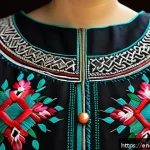
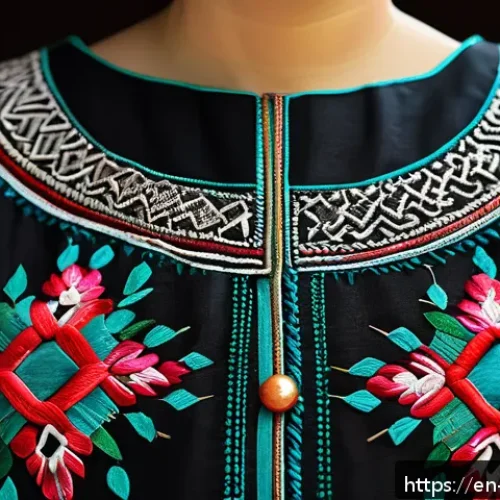
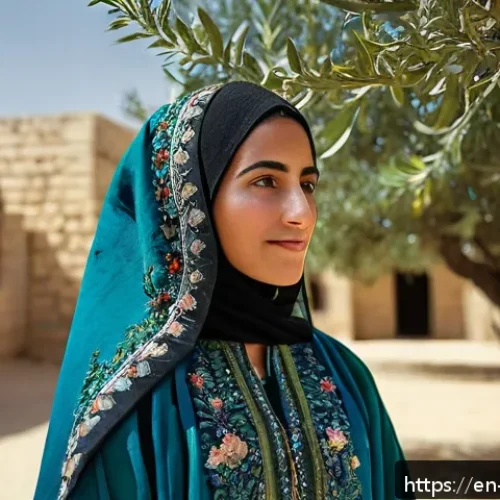
Palestinian embroidery isn’t just about decoration; it’s a language of symbols. Each motif, color, and pattern tells a story, reflecting the weaver’s background, status, and the region they come from.

From the star motifs representing happiness and prosperity to the cypress tree symbolizing steadfastness and resilience, every element is carefully chosen to convey meaning.

Decoding Regional Variations in Embroidery

The variations in embroidery across different Palestinian regions are fascinating. For instance, Hebron is known for its bold geometric designs and rich, dark colors, while Ramallah is characterized by lighter, more floral patterns.

These regional differences are not merely aesthetic choices; they reflect unique local traditions, historical influences, and the available resources in each area.

Having traveled through these regions, I’ve noticed how the landscape and environment seem to influence the color palettes and motifs used.

The Significance of Color in Palestinian Textiles

Color plays a vital role in Palestinian embroidery. Red, often derived from natural dyes like madder root, symbolizes joy, fertility, and good fortune, frequently used in wedding dresses.

Blue, representing the sky and protection against the evil eye, is commonly found in everyday wear. The use of specific colors can also indicate the wearer’s social status or age group.

Observing the color combinations and their meanings adds another layer of appreciation for these intricate textiles.

Preserving a Cultural Legacy Through Modern Adaptation

While traditional Palestinian textiles hold immense historical value, they also continue to evolve and adapt to modern contexts. Contemporary designers and artisans are finding creative ways to incorporate these traditional techniques and motifs into modern clothing, accessories, and home décor items, ensuring that this cultural legacy remains relevant and vibrant.

The Role of Women in Sustaining Textile Traditions

Palestinian textile traditions are primarily sustained by women, who pass down their knowledge and skills from mother to daughter. These crafts not only provide a source of income for many families but also empower women by giving them a platform to express their creativity and preserve their cultural identity.

I’ve seen firsthand how these women are the backbone of this industry, tirelessly working to keep these traditions alive despite the challenges they face.

Challenges and Opportunities for Palestinian Artisans

Palestinian artisans face numerous challenges, including limited access to resources, political instability, and competition from mass-produced goods.

However, there are also opportunities for growth and innovation. By leveraging technology, such as online marketplaces and social media, artisans can reach a wider audience and promote their products globally.

Additionally, initiatives that support fair trade practices and provide training and resources can help ensure the sustainability of this industry.

The Economic Impact of Palestinian Textile Production

The production of Palestinian textiles has significant economic implications, providing livelihoods for thousands of families, particularly in rural areas.

By supporting this industry, consumers can contribute to the economic empowerment of Palestinian communities and help preserve a valuable cultural heritage.

I believe that every purchase of these textiles is an investment in the future of these artisans and their communities.

Promoting Fair Trade and Ethical Sourcing

Ensuring that Palestinian artisans receive fair compensation for their work is crucial. By supporting fair trade initiatives and seeking out ethical sourcing practices, consumers can help create a more sustainable and equitable industry.

Look for certifications and labels that guarantee fair wages, safe working conditions, and environmentally friendly production methods.

Supporting Local Workshops and Cooperatives

One of the best ways to support Palestinian textile production is by purchasing directly from local workshops and cooperatives. These businesses often prioritize fair wages, community development, and the preservation of traditional techniques.

Visiting these workshops, if possible, can provide a deeper understanding of the craft and the people behind it.

Appreciating the Intricate Craftsmanship and Artistry

The level of skill and artistry involved in creating Palestinian textiles is truly remarkable. From the meticulous hand embroidery to the intricate weaving techniques, each piece is a testament to the dedication and talent of the artisans.

Taking the time to appreciate the craftsmanship and artistry can enhance your understanding and appreciation for these cultural treasures.

Understanding the Techniques Used in Palestinian Textiles

Various techniques are used in Palestinian textile production, including cross-stitch embroidery, couching, and appliqué. Cross-stitch embroidery is particularly prevalent, with each stitch carefully counted and placed to create intricate patterns.

Couching involves attaching threads to the fabric surface, while appliqué uses pieces of fabric to create decorative designs. Learning about these techniques can deepen your appreciation for the complexity and skill involved.

Recognizing the Time and Effort Invested in Each Piece

Creating Palestinian textiles is a labor-intensive process that requires a significant investment of time and effort. From sourcing the materials to designing the patterns and executing the embroidery, each step demands patience, precision, and expertise.

Recognizing the time and effort involved can help you appreciate the true value of these handcrafted treasures.

How to Incorporate Palestinian Textiles into Your Life

Integrating Palestinian textiles into your life is a meaningful way to celebrate and support this cultural heritage. Whether you choose to decorate your home with embroidered cushions or wear a traditional thobe for a special occasion, there are many ways to incorporate these beautiful textiles into your everyday life.

Styling Tips for Modern Palestinian Embroidery

Modern Palestinian embroidery can be styled in various ways to suit different tastes and occasions. For a casual look, pair an embroidered scarf with jeans and a t-shirt.

For a more formal occasion, wear an embroidered dress or skirt with heels and delicate jewelry. The key is to let the embroidery speak for itself and complement it with simple, understated pieces.

Decorating Your Home with Palestinian Textiles

Palestinian textiles can add warmth, character, and cultural richness to your home décor. Use embroidered cushions, throws, and wall hangings to create a cozy and inviting atmosphere.

Consider framing vintage textiles as artwork or using them to upholster furniture. The possibilities are endless, and each piece will tell a story and add a unique touch to your space.

Here’s a table summarizing the regional variations in Palestinian embroidery:

Region Dominant Colors Common Motifs Characteristics
Hebron Dark Red, Purple, Green Geometric Shapes, Cypress Trees Bold designs, dense embroidery
Ramallah Light Red, Blue, Green Floral Patterns, Birds Lighter colors, delicate details
Bethlehem Gold, Silver, Red Stylized Flowers, Stars Intricate metallic thread work
Gaza Bright Red, Orange, Purple Geometric Patterns, Palm Trees Vibrant colors, bold designs

Conclusion: The Enduring Appeal of Palestinian Textiles

Palestinian textiles are more than just beautiful objects; they are tangible expressions of history, culture, and resilience. By understanding and appreciating the stories behind these textiles, we can help preserve this valuable cultural heritage and support the artisans who keep it alive.

Whether you are a collector, a designer, or simply someone who appreciates beautiful things, Palestinian textiles offer a rich and rewarding experience.

Palestinian textiles offer a window into a rich cultural tapestry, woven with threads of history, tradition, and resilience. Each piece tells a story, connecting us to the artisans and communities who keep this heritage alive.

Whether you’re drawn to the vibrant colors, intricate patterns, or the profound symbolism, these textiles offer a unique and rewarding experience that celebrates the enduring spirit of Palestine.

I hope this exploration has inspired you to learn more and perhaps even incorporate a piece of this beautiful artistry into your own life.

In Closing

Exploring Palestinian textiles is like embarking on a journey through time, culture, and artistry. The stories woven into each thread resonate deeply, connecting us to the skilled artisans and their ancestral heritage. By appreciating and supporting these textiles, we contribute to preserving a vibrant legacy that continues to inspire and enrich our world.

Good to Know Information

1. Natural Dyes vs. Synthetic Dyes: Traditional Palestinian textiles often use natural dyes derived from plants and minerals. While these dyes may have a more muted palette, they offer a unique depth of color and are environmentally friendly.

2. The Thobe: The thobe is a traditional Palestinian dress adorned with intricate embroidery. These dresses vary in style and design depending on the region and occasion, offering a beautiful expression of cultural identity.

3. Cross-Stitch Embroidery: Cross-stitch is the most common embroidery technique used in Palestinian textiles. Each stitch is meticulously counted and placed, creating detailed and complex patterns.

4. Fair Trade Practices: When purchasing Palestinian textiles, look for fair trade certifications to ensure that artisans receive fair wages and work in safe conditions. This supports the sustainable growth of the industry and empowers local communities.

5. Online Marketplaces: Several online marketplaces specialize in authentic Palestinian textiles, providing a convenient way to support artisans and discover unique handcrafted items from the comfort of your home. Etsy is a great place to start looking!

Key Takeaways

Palestinian textiles are rich in symbolism and regional variation, reflecting the diverse cultural heritage of Palestine.

Women play a crucial role in sustaining textile traditions, passing down their skills and knowledge from generation to generation.

Supporting fair trade practices and purchasing directly from local workshops and cooperatives helps ensure the sustainability of the industry and empowers Palestinian communities.

Appreciating the intricate craftsmanship and artistry involved in creating Palestinian textiles enhances your understanding and appreciation for these cultural treasures.

Integrating Palestinian textiles into your life is a meaningful way to celebrate and support this cultural heritage.

Frequently Asked Questions (FAQ) 📖

Q: What makes Palestinian textiles so unique compared to other fabrics?

A: You know, having actually seen and touched these fabrics, especially when I was wandering through the markets in Jerusalem, it’s more than just the material itself.
It’s the stories woven into every single stitch. These aren’t just patterns; they’re symbols that represent different villages, historical events, or even family stories.
It’s like reading a history book you can wear. Plus, the fact that they’re often handmade, using techniques passed down for generations, gives them a character and authenticity you just can’t find in mass-produced stuff.
It really is a tangible piece of history.

Q: Are Palestinian textiles still made using traditional methods, or have modern techniques taken over?

A: That’s a great question! From what I’ve seen and learned, especially during that workshop I attended in Bethlehem, it’s a bit of both. There are definitely artisans who are dedicated to preserving the traditional methods – using handlooms, natural dyes, and the same intricate patterns that their ancestors used.
But, of course, modern technology has also found its way in. Some workshops are incorporating newer looms and synthetic dyes to make production faster and more accessible.
The beauty is, even with these modern updates, many artisans are still very much focused on keeping the heart and soul of the tradition alive. It’s all about finding that balance between honoring the past and adapting to the present.

Q: Where can I find authentic Palestinian textiles if I’m interested in buying some?

A: Okay, so if you’re serious about getting your hands on some genuine Palestinian textiles, steer clear of the tourist traps selling cheap imitations. Honestly, you’re better off seeking out reputable fair trade organizations or directly supporting artisan cooperatives.
I remember finding some incredible pieces through online shops that work directly with women’s weaving collectives in the West Bank. Also, if you ever find yourself traveling in the region (which I highly recommend!), hitting up local markets in places like Hebron or Ramallah can be a goldmine.
Just be sure to do your research beforehand and know what to look for in terms of quality and craftsmanship. And don’t be afraid to haggle a little – it’s part of the fun!

📚 References