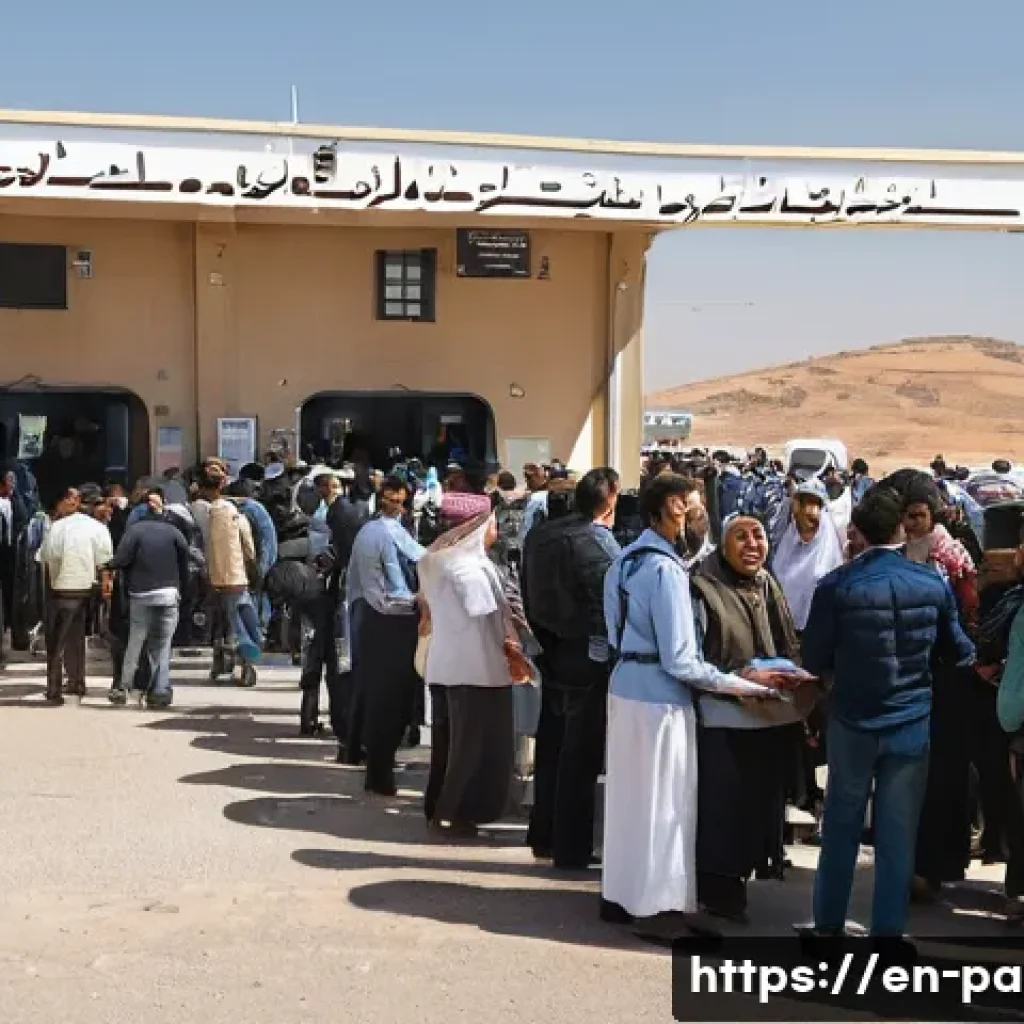
Planning a trip to Palestine offers a unique opportunity to explore rich history, vibrant culture, and breathtaking landscapes. However, navigating the visa process can feel overwhelming, especially if it’s your first time visiting.
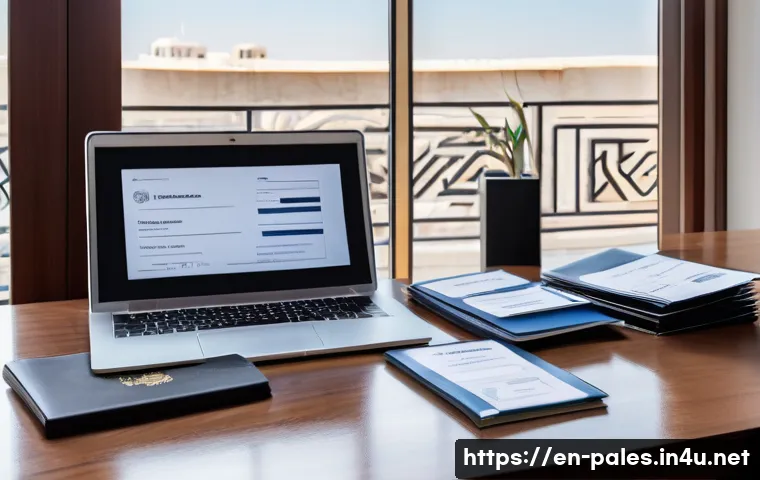
Understanding the requirements and steps involved in obtaining a tourist visa is crucial to ensure a smooth travel experience. Whether you’re drawn by ancient sites or the warm hospitality, being well-prepared makes all the difference.
Let’s dive into the details and make your journey hassle-free. I’ll guide you through everything you need to know!
Understanding Entry Points and Visa Eligibility
Where You Can Enter Palestine
Palestine doesn’t operate its own international airports, so most travelers arrive via neighboring countries. The two most common entry points are through Israel’s Ben Gurion Airport near Tel Aviv or by crossing land borders from Jordan, such as the Allenby Bridge.
Knowing which border you use is important because visa policies and entry procedures vary depending on your route. For example, if you fly into Tel Aviv, your visa process may be intertwined with Israeli immigration, while crossing from Jordan involves different customs checks.
Planning your arrival point in advance helps avoid surprises and ensures you meet all local requirements.
Who Needs a Visa to Visit Palestine?
Visa requirements depend largely on your nationality. Citizens from many Western countries can enter Palestine without a separate Palestinian visa but must obtain the relevant Israeli or Jordanian visa, depending on their entry point.
Others will need to apply for a tourist visa before arrival. If you hold a passport from countries with strained diplomatic relations, expect additional scrutiny or restrictions.
It’s always wise to check the most current regulations from official consulates or trusted travel resources. Personally, I found that early research saved me from last-minute headaches, especially when crossing borders with complex political considerations.
How Long Can You Stay on a Tourist Visa?
Typically, tourist visas or entry permits allow a stay of up to 30 days, with the possibility of extension in some cases. Extensions require visiting local authorities, and the process may take time, so it’s best to plan accordingly.
Overstaying can lead to fines or complications on future visits. From my experience, keeping copies of all travel documents handy and asking locals about visa extension procedures made the process smoother.
Always factor in your intended activities and travel pace when deciding your visa duration.
Preparing Your Visa Application Documents
Essential Documents Checklist
Applying for a Palestinian tourist visa involves gathering several key documents. At minimum, you will need a valid passport with at least six months’ validity, a completed visa application form, recent passport-sized photos, and proof of travel plans such as flight tickets or hotel bookings.
Depending on your nationality and entry point, additional documents like a letter of invitation or proof of financial means may be required. I remember double-checking every item with the consulate’s website and preparing a dedicated folder to keep everything organized — it really helped reduce stress on the day of submission.
Tips for a Strong Visa Application
A well-prepared application can make all the difference. Make sure your photos meet the size and background requirements, and fill out forms neatly and accurately.
If you’re applying through an embassy or consulate, consider including a cover letter explaining your travel purpose and itinerary, which can demonstrate your seriousness and intent to return home.
Also, having travel insurance ready is a plus, as it shows preparedness. My advice is to avoid last-minute submissions; the more time you allow, the better chance you have to address unexpected issues.
Where and How to Submit Your Application
Visa applications for Palestine are often processed through Israeli or Jordanian consulates, depending on your entry route. Some travelers might apply online or through authorized visa service centers.
Personally, I found that visiting the consulate in person gave me clarity on any questions and expedited the process. It’s essential to verify the accepted submission methods ahead of time because policies can change.
Also, be prepared to pay the visa fee, which varies and must often be paid in local currency or by specified methods only.
What to Expect at Border Crossings and Immigration
Immigration Procedures at Different Borders
Immigration checks can be quite thorough, especially given the sensitive political context in the region. Expect to answer questions about your travel plans, accommodation, and the purpose of your visit.
Border officials may inspect your belongings and verify your documents multiple times. From my experience, remaining calm, polite, and clear about your itinerary helped ease the process.
Avoiding any behavior that might raise suspicion is key, as security personnel are trained to be vigilant.
Common Challenges Travelers Face
One common hurdle is the uncertainty about which border crossing to use, as some are closed during certain hours or for security reasons. Language barriers can also complicate communication, although many officials speak English.
Additionally, if you have Israeli or Palestinian stamps in your passport, it might affect entry depending on which border you use. Preparing answers to standard questions and having all documents ready for inspection reduces delays.
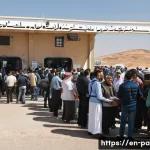
I recall waiting in line for several hours at one crossing but using that time to engage with fellow travelers and locals made it less frustrating.
Tips for Smooth Entry Experience
Arrive early to avoid peak hours and ensure you have all your paperwork easily accessible. Dress modestly and respect local customs, as this can influence how officials perceive you.
It’s also helpful to carry a small notebook with your itinerary and contact details of your accommodation or host. If you’re traveling with electronics or valuables, keep them in your carry-on bag for easy access.
From my trips, I learned that being patient and friendly with border staff often results in a more pleasant experience.
Understanding Visa Fees and Processing Times
Typical Costs Involved
Visa fees vary depending on your nationality and the type of visa you apply for. On average, a tourist visa costs between $20 and $50 USD, but additional service charges may apply if you use a visa agency or apply through a consulate.
Some entry points might also charge separate crossing fees. I found it useful to carry extra cash in small denominations to cover these unexpected expenses.

Knowing the fee structure upfront can help you budget better and avoid last-minute scrambling.
How Long Will It Take to Get Your Visa?
Processing times can range from a few days to several weeks, depending on where and how you apply. Embassies with heavy workloads or heightened security scrutiny might take longer.
Applying well in advance of your planned trip is crucial to avoid disappointment. When I applied, I made sure to submit my documents at least a month ahead, which gave me ample time to address any requests for additional information.
Some travelers report quicker processing at border crossings, but this carries risks if denied entry.
Payment Methods and Receipts
Most consulates accept payments in cash or via credit/debit cards, but it’s vital to confirm accepted methods before applying. Always request and keep receipts for any fees paid, as proof may be needed if questions arise later.
I recommend photographing or scanning receipts and keeping them both digitally and physically. This simple habit saved me from confusion during a follow-up inquiry about my visa fee payment.
Special Considerations for Different Traveler Types
Travelers with Dual Citizenship
If you hold dual citizenship, your choice of passport for entry can influence your visa requirements. For example, entering with an Israeli passport typically simplifies access but may restrict travel in some Palestinian areas.
Alternatively, using a foreign passport might require more paperwork but offers different freedoms. I’ve met travelers who carefully plan which passport to use based on their itinerary and local advice, which I found to be a smart strategy to avoid complications.
Group Travelers and Tourists
If you’re traveling as part of a tour group, the visa process can be more straightforward since many agencies handle paperwork collectively. However, it’s still important to verify that your individual documents are in order and to understand the group itinerary fully.
I once joined a group tour that provided excellent visa support, freeing me from much of the administrative burden. For solo travelers, being extra vigilant about each step is essential since you won’t have that safety net.
Travelers with Special Needs or Medical Conditions
If you require medical assistance or have special needs, it’s advisable to notify consulates in advance and carry relevant documentation. Some border crossings might offer accommodations, but these are limited.
I recall a traveler who arranged medical clearance ahead of time and found the process much less stressful. Also, carrying sufficient medication and prescriptions is critical, especially since pharmacies and hospitals may have different regulations.
Quick Reference: Visa Requirements Summary
| Aspect | Details |
|---|---|
| Entry Points | Israel (Ben Gurion Airport), Jordan (Allenby Bridge and others) |
| Visa Requirement | Depends on nationality and entry point; many need Israeli or Jordanian visa |
| Typical Visa Validity | Up to 30 days, extensions possible |
| Application Documents | Passport, photos, application form, travel itinerary, financial proof |
| Visa Fee | Approximately $20–$50 USD, varies by nationality and processing method |
| Processing Time | From a few days to several weeks |
| Common Entry Challenges | Security checks, border crossing hours, political sensitivities |
| Payment Methods | Cash, credit/debit card (confirm with consulate) |
Tips for Staying Updated and Getting Help
Monitoring Policy Changes
Visa regulations and border policies in Palestine and surrounding countries can change rapidly due to political developments. To avoid surprises, regularly check official government websites and trusted travel forums.
I personally subscribe to travel newsletters and follow embassy social media channels to stay informed. This proactive approach saved me from a sudden border closure during one trip.
Consulting with Visa Experts
Visa agencies and travel consultants specializing in Middle Eastern travel can provide valuable guidance, especially if your case is complex. While they charge fees, their expertise often results in fewer mistakes and faster processing.
On one occasion, I sought help from a local agency that ensured my paperwork was flawless, which gave me peace of mind.
Using Local Contacts and Resources
If you have friends or contacts in Palestine, don’t hesitate to ask for advice or assistance. Locals can share firsthand experience about current entry procedures and recommend trustworthy service providers.
I’ve found that chatting with residents and expats on social media groups yields practical tips you won’t find in official guides. Their insights can make your arrival and stay much more comfortable.
Conclusion
Visiting Palestine requires careful planning due to its unique entry points and visa requirements. Understanding the different procedures and preparing your documents ahead of time can significantly ease your travel experience. Staying informed about current policies and being patient at border crossings will help you navigate the process smoothly. With the right preparation, your journey to Palestine can be both rewarding and hassle-free.
Useful Information to Keep in Mind
1. Always verify your entry point and the corresponding visa requirements before booking your trip.
2. Keep multiple copies of your travel documents and have them easily accessible at all times.
3. Allow plenty of time for visa processing and avoid last-minute applications to prevent stress.
4. Stay respectful and patient during border checks; a friendly attitude often speeds up the process.
5. Use trusted local contacts or visa experts to get up-to-date advice and assistance when needed.
Key Takeaways
Understanding where and how to enter Palestine is essential, as visa rules vary by entry point and nationality. Preparing a complete and accurate visa application helps avoid delays and complications. Be mindful of the political sensitivities that can affect border crossings and plan your travel itinerary accordingly. Always stay informed about changing regulations and consider seeking expert help for complex cases. Lastly, patience and respect during immigration procedures go a long way in ensuring a smooth visit.
Frequently Asked Questions (FAQ) 📖
Q: Do I need a visa to visit Palestine as a tourist?
A: Whether you need a visa to visit Palestine largely depends on your nationality and the point of entry. Since Palestine does not have a widely recognized independent border control system, most travelers enter through Israel or Jordan.
If you enter via Israel, you’ll typically need to obtain an Israeli visa or meet their entry requirements, which vary by country. Jordanian entry points usually allow visa-on-arrival for many nationalities.
It’s essential to check the specific visa policies for Israel and Jordan first, as these directly affect your access to Palestinian territories. Planning ahead and consulting your local embassy will save you headaches at the border.
Q: How can I apply for a tourist visa to visit Palestinian areas?
A: Unlike many countries, Palestine itself does not issue tourist visas directly. Instead, visitors generally obtain visas through Israel or Jordan, depending on their entry point.
For example, if you fly into Ben Gurion Airport in Tel Aviv (Israel), you’ll go through Israeli immigration, where your visa or entry permission is handled.
If you enter via the Allenby Bridge from Jordan, Jordanian authorities manage your entry. Once inside, you can travel freely within the Palestinian territories.
I found that coordinating your visa with the country you enter through is the key to a smooth arrival, so start by contacting the respective consulates or embassies well in advance.
Q: Are there any special travel tips for first-time visitors to Palestine regarding visas and entry?
A: Absolutely! From my experience, the biggest tip is to remain patient and well-informed. Border crossings can be unpredictable, so allow extra time and keep all your documents handy—passport, visa approvals, hotel bookings, and return tickets.
Also, avoid mentioning politically sensitive topics at border control to prevent unnecessary delays. Another insider tip is to dress modestly and respect local customs to create a positive impression.
Lastly, always double-check the latest travel advisories and entry requirements before your trip, as policies can change quickly. Being prepared this way helped me breeze through my visit without stress.